
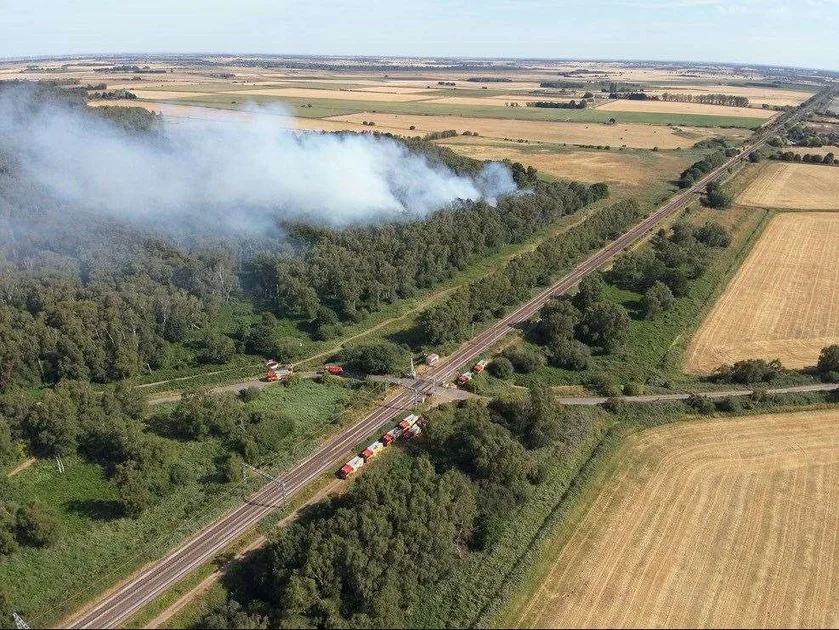
Firefighters Continue to Tackle Deep-Seated Peat Fire at Holme Fen
Firefighters from St Neots and surrounding areas remain on the scene of a significant fire at Holme Fen Nature Reserve in Cambridgeshire, more than 24 hours after it was first reported. The blaze, which broke out on Saturday, August 8, at around 10:24 a.m., involves hedges and undergrowth and has proven difficult to extinguish due to the deep-seated nature of the fire in peat soil.
Crews from Dogsthorpe, Stanground, Whittlesey, Huntingdon, Thorney, St Neots, Ramsey, and Sawston, along with a water carrier from Ramsey, a specialist 4x4 vehicle from Thorney, and a crew from Oundle in Northamptonshire, have been working in sectors to control the spread. According to Cambridgeshire Fire and Rescue Service, the fire is "deep seated in peat" and "will take some time to fully extinguish." Residents and passersby have been advised that smoke in the area is likely coming from Holme Fen, and the public is urged to avoid the vicinity to allow crews to work safely.
Overnight Operations and Ongoing Monitoring
Firefighters worked through the night to bring the blaze under control, with a crew remaining on scene overnight to ensure safety. On Sunday morning, August 9, crews were back at the site, checking for hotspots, turning over peat, and damping down affected areas. The fire service stated that firefighters will likely remain in the area over the coming days to fully extinguish the fire and prevent any re-ignition.
The cause of this current fire is still under investigation. However, this incident follows a previous fire at the same nature reserve in late July, which was confirmed to have been started deliberately. That earlier blaze, which occurred on Monday, July 27, required more than 40 firefighters and took five days to bring under control.
Context: A Nature Reserve Under Threat
Holme Fen is one of the lowest points in the UK and is a site of special scientific interest, known for its unique peatland habitat and ancient birch woodland. Peat fires are notoriously difficult to extinguish because they burn underground, smoldering for extended periods and releasing significant amounts of smoke and carbon. The recurrence of fires at this reserve raises concerns about the impact on local wildlife and the broader environmental damage to this fragile ecosystem.
The deliberate ignition of the July fire has heightened concerns among local authorities and conservation groups, who fear that repeated arson could cause long-term harm to the reserve. The current fire, while not yet confirmed as deliberate, underscores the vulnerability of peatlands during dry conditions, which are becoming more frequent due to climate change.
Regional and National Implications
The Holme Fen fire is not an isolated incident. Across the UK and Europe, wildfires have become a growing concern during the summer months. In the United States, similar fires are stretching resources, as seen with the Bug Fire near Reno, which has burned thousands of acres and prompted evacuations. The Bug Fire's rapid growth highlights how wildfires can quickly overwhelm local firefighting capabilities, a challenge that is increasingly relevant to the UK as well.
In Cambridgeshire, the repeated nature of fires at Holme Fen suggests a troubling pattern. The fire service has had to allocate significant resources to this incident, drawing on crews from multiple stations, which could impact response times for other emergencies. The public is being asked to remain vigilant and report any suspicious activity, as deliberate fires not only endanger lives and property but also drain public resources.
Perspective: The Growing Challenge of Peatland Fires
The ongoing blaze at Holme Fen serves as a reminder of the persistent threat posed by peatland fires. Unlike forest fires, peat fires can burn for weeks or even months, releasing large amounts of CO2 and contributing to poor air quality. They also expose communities to prolonged smoke, which the fire service has already warned about.
Experts note that peatlands, which are some of the most carbon-rich ecosystems on Earth, are particularly susceptible to fire during heatwaves. While natural causes like lightning strikes can start fires, human activity—whether accidental or deliberate—remains the primary cause in the UK. The earlier confirmed arson at Holme Fen suggests that preventative measures, including increased patrols and community education, may be necessary to protect these vital landscapes.
As the fire service continues its work, the incident also highlights the importance of cross-border cooperation, with crews from neighboring Northamptonshire assisting in the effort. In an era of increasing climate volatility, such collaborations will be essential in managing blazes that do not respect county or country borders, much like the A31 fire in Europe that tested response capabilities across the continent.
While the immediate focus remains on extinguishing the Holme Fen fire, the broader lesson is clear: peatland fires are a costly and dangerous phenomenon that require proactive strategies, both to prevent them and to respond effectively when they occur. The coming days will be critical in determining the full extent of the damage and the measures needed to prevent a recurrence.
Comments