
A31 Fire: A Summer of Blazes Testing Europe's Roads and Wildlands
The term "a31 fire" is capturing attention this week, but it refers to more than a single incident. In the heart of Europe's summer travel season, the A31 motorway in Lorraine, France—a vital 275-kilometer corridor linking Metz, Nancy, and Luxembourg—has become a focal point for fire-related disruptions. While the specific incident on the A31 in early August 2026 involved a vehicle fire that was swiftly contained, the context is far broader: across the continent, from Cornwall's industrial estates to Spain's parched hillsides, firefighters are battling an unrelenting wave of blazes.
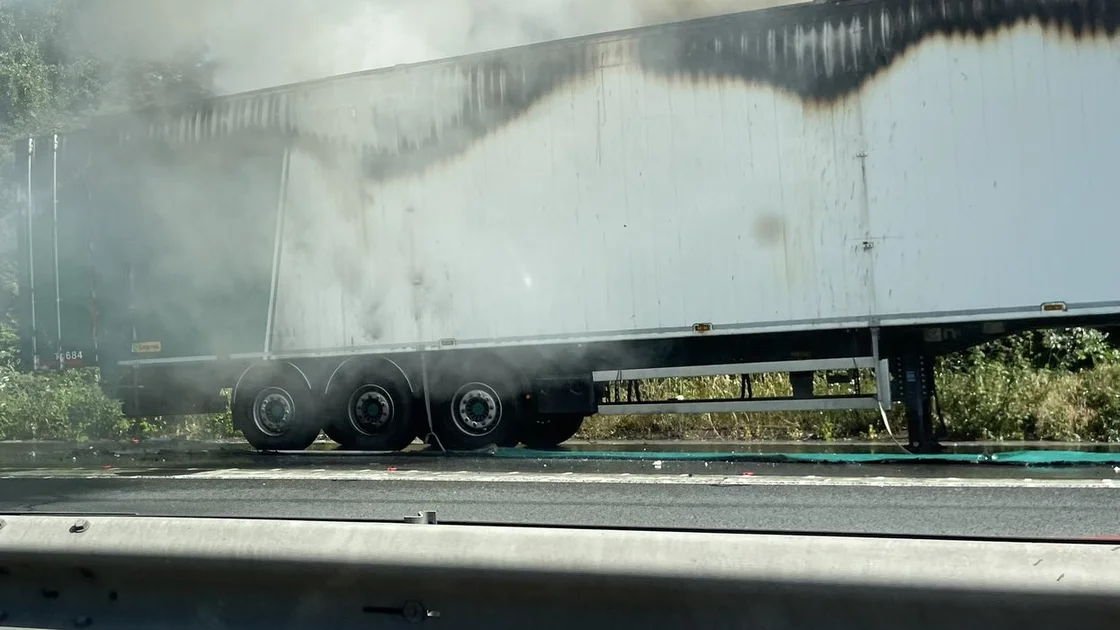
On August 9, 2026, the situation remains tense. The A31, a non-conceded autoroute, is under continuous surveillance by the CRS autoroutière Lorraine-Alsace, whose officers reported a spike in fire-related callouts over the past week. These range from overheated HGV brakes igniting roadside vegetation to full-scale vehicle conflagrations that force temporary closures. The most notable recent event occurred near Metz, where a lorry trailer fire sent plumes of smoke across the carriageway, causing slowdowns but no injuries. According to police commander David Foli, who oversees the PC in Moulins-lès-Metz, "Every summer brings these challenges, but this year the frequency is unprecedented."
The urgency extends far beyond the A31. In Cornwall, England, a major fire broke out on August 2 at Mike Coad Car and Commercial, a van dealership near Carland Cross off the A39. Cornwall Fire and Rescue Service deployed six fire engines and a water carrier to the scene, with thick, black smoke visible from as far away as Stithians. The blaze, which is believed to have started in the early afternoon, was not confirmed to be extinguished until late that evening. Local traffic ground to a halt as emergency services closed lanes, and drone footage captured the scale of the destruction. While the cause is under investigation, it serves as a stark reminder of how a single fire can paralyze a region's infrastructure.
The Escalating Fire Risk Across Europe's Transport Networks
The fires on the A31 and in Cornwall are not isolated events but symptoms of a larger crisis. According to the latest reports from CGTN, wildfires are spreading simultaneously across North America and Europe. In Utah, two people were killed in a helicopter crash while fighting the Widemouth 2 Fire east of Fillmore, a tragedy that underscores the extreme danger firefighters face. In Canada's British Columbia, thousands have been evacuated as new blazes threaten communities, and in Spain, hundreds of firefighters are battling a major wildfire that has already consumed thousands of hectares.
This fire season is proving to be one of the most intense on record. Climate scientists point to a combination of prolonged drought, record heatwaves, and dry vegetation as the primary drivers. For transport corridors like the A31, this means that even a minor mechanical failure can quickly escalate into a roadside fire. The CRS autoroutière police have reported that many of their recent interventions involve vehicles with overheated brakes or tires igniting dry grass along the highway's edges, creating a risk that can spread to adjacent fields and forests.
The stakes are high. The A31 is a crucial artery for both passenger and freight traffic, connecting France to Luxembourg and onward to the Benelux countries. Hundreds of thousands of vehicles use it each summer, many of them carrying tourists heading to the Mediterranean or northern Europe. A fire on this route can cause hours of delay, economic disruption, and, in the worst cases, put lives at risk. The police unit's 24/7 monitoring center, equipped with a dense network of surveillance cameras, is the first line of defense.
According to a recent report from Le Républicain Lorrain, the officers on the A31 have seen it all. "Je pourrais écrire un livre sur ce que j'ai vu !" (I could write a book on what I've seen!) remarked one officer, reflecting on the extreme situations they encounter, from multi-vehicle collisions to fires that melt road surfaces. Their mission is to ensure safety on these 275 kilometers of non-conceded motorways, a task that has become more perilous as temperatures soar.
Vehicle Fires: A Growing Hazard on Highways
Vehicle fires are a particular concern. The HGV trailer fire near Wash Common on the A34 in the UK, reported on August 4, is another example. It was quenched by firefighters, but such incidents highlight the vulnerability of heavy goods vehicles, which often carry flammable cargo. On the A31, police have noted an uptick in similar cases, prompting calls for stricter maintenance checks and driver awareness. "We advise drivers to check their tire pressure and brake systems before long journeys," said a CRS officer. "In July and August, the risk is multiplied."
For motorists caught in a fire, the advice is simple: pull over safely, turn on hazard lights, and call for help. On the A31, emergency services are trained to respond within minutes, but prevention remains the best strategy. The police unit has also increased patrols during peak hours, which has been shown to have a calming effect on driver behavior. "Les conducteurs font plus attention quand on les regarde dans les yeux" (Drivers pay more attention when you look them in the eyes), noted one officer.
Global Context: A Summer of Wildfires Strains Resources
Beyond the A31, the broader picture is concerning. In Spain, the fire near the northeastern region has mobilized hundreds of personnel, including military units, while in Canada, the situation in British Columbia has forced entire towns to evacuate. In Utah, the crash of a Sikorsky Skycrane during firefighting operations is a sobering reminder of the risks taken by crews. The helicopter had been deployed to fight the Widemouth 2 Fire before it went down, killing two pilots. This incident has sparked a review of safety protocols for aerial firefighting, which is often the only effective strategy for reaching remote areas.
The global scale of these fires is straining resources. Countries are sharing personnel and equipment, but the demand is outpacing supply. In France, the Sécurité Civile has deployed its fleet of Canadair water-bombers to multiple regions simultaneously. However, when a fire occurs near a major road, like the A31, air support may be grounded to avoid endangering motorists. This creates a coordination challenge that requires close cooperation between traffic police, firefighters, and aviation authorities.
The environmental impact is also severe. Fires release huge amounts of carbon dioxide, contributing further to global warming, and destroy habitats. On a local level, the smoke from fires near roads can reduce visibility and cause health issues for residents. The Cornwall fire at Carland Cross, for instance, sent black smoke across the A39, likely containing toxic chemicals from the vehicles and garage materials. Inhaling such fumes is dangerous, and local authorities advised residents to keep windows closed.
Lessons from the Front Line: Are We Prepared?
As the summer of 2026 continues, questions are being raised about preparedness. Is Europe's infrastructure ready for the increasing frequency of fires? The answer, according to experts, is a qualified no. While emergency services are well-trained and equipped, climate models predict that extreme fire weather will become more common. This means that not only forested areas but also urban and industrial zones—like the dealership in Cornwall—are at risk.
Urban planning will need to adapt, with firebreaks and stricter building codes in fire-prone areas. For highways, this could mean more fire-resistant vegetation along embankments, better water access points for fire trucks, and enhanced smoke ventilation systems in tunnels like those on the A31. The French government has already begun implementing some of these measures, allocating funds to upgrade infrastructure in high-risk zones.
However, individual responsibility is also crucial. Drivers should be more vigilant about their vehicles' condition, avoid throwing cigarette butts out of windows, and report signs of smoke immediately. The police on the A31 and similar routes are the first to spot such signs, but they rely on public cooperation to act early. As one officer put it, "The best fire is the one that never starts."
A Hotter Future: What This Means for Tourism and Transport
The fires of August 2026 are a preview of what the future may hold. For the tourism industry, which relies heavily on summer travel, this is bad news. Disruptions on major routes like the A31 can lead to cancellations and a drop in visitor numbers. Destinations in southern Europe, already battling extreme heat, may see a decline in tourists seeking milder climates, while northern regions like Cornwall could see an increase—but only if their infrastructure can handle the pressure.
The economic cost is staggering. A single day of closure on the A31 can cost millions in lost productivity, and the cost of fighting wildfires runs into billions globally. Insurance companies are revising their models to account for increased fire risk, leading to higher premiums for businesses and homeowners in vulnerable areas.
Nevertheless, there is room for optimism. Advances in fire detection technology, including early-warning systems using satellites and AI, are improving response times. The use of drones for surveillance and even targeted water or retardant drops is expanding. Communities are becoming more resilient, with emergency plans that are regularly tested.
The "a31 fire" may be a small part of this bigger story, but it is a symbol of a changing world. As the heatwaves intensify and the fire season lengthens, the lines between wilderness, rural land, and urban infrastructure will become even more blurred. Combating this threat will require a global effort, from the individual driver in Metz to the international firefighting fleets. In the words of a CRS officer in Lorraine, "You have to respect the fire. If you think you're bigger than it, you're wrong." The lessons of this summer will shape policies for years to come.
Stay Informed and Prepared
For those planning to travel, now is the time to stay updated. Check local traffic and weather reports, and be aware of fire risk levels. In France, the Météo-France website provides daily forest fire risk maps. In the UK, the Fire and Rescue Services offer advice on how to protect property and respond to fires. See how other regions are coping with the crisis in our article on Wildfires Rage Across North America: Canada Declares Emergency as New Blazes Threaten Communities.
The summer of 2026 has been a test, but it has also shown the resilience of communities and emergency services. From the van dealership in Cornwall to the A31 autoroute, the response has been swift and professional. The question now is whether we can learn from these events and build a safer, more resilient future. As the temperatures continue to rise, the answer cannot be "wait and see." It must be action.
Comments