
Delhi Wakes to Toxic Haze: AQI at 370, 'Severe' at Several Stations
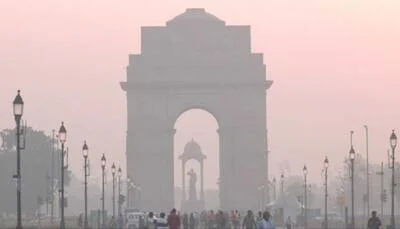
Delhi residents woke up on Monday, November 9, 2026, to a thick grey haze and air quality that remained firmly in the 'very poor' category, a day after Diwali celebrations sent pollution levels soaring. The city's overall Air Quality Index (AQI) stood at 370 at 10:59 am, according to The Hindu, just shy of the 'severe' threshold of 401. At least two monitoring stations—DTU and Burari Crossing—recorded 'severe' AQI levels of 437 each, while several other areas, including Bawana, Jahangirpuri, Sonia Vihar, Punjabi Bagh, Okhla, and Rohini, remained in the 'severe' category.
The Central Pollution Control Board (CPCB) classifies AQI between 301 and 400 as 'very poor' and 401 to 500 as 'severe'. On Diwali night itself, the city's AQI had touched 371 at 10 pm, with 20 out of 59 monitoring stations recording 'severe' levels, according to the New Indian Express. Sonia Vihar was the worst-hit with an AQI of 463, followed by Jahangirpuri at 450. The morning after brought little relief, as a grey haze reduced visibility and residents reported breathing difficulties.
Firecrackers Defy Bans, Worsen Air Quality
Despite restrictions on firecracker use, fireworks continued across several parts of the capital on Sunday evening. Reports emerged from Pitampura, Burari, Mayur Vihar, and parts of Lutyens' Delhi, with intensity particularly high in Burari. The Delhi government had urged residents to adhere to the Supreme Court's directions on the sale and use of green firecrackers, and the District Magistrate (East) had permitted their use only on November 7 and 8, between 6 am and 7 am and 8 pm and 10 pm. However, enforcement appeared patchy, and the smoke from firecrackers hung over roads and residential neighbourhoods, leaving a strong smell of burnt crackers in the air.
Context: A Recurring Crisis with Dire Health Implications
Delhi's air pollution crisis is an annual nightmare, but this year's post-Diwali spike comes amid heightened scrutiny over data transparency and enforcement. The Air Quality Early Warning System (EWS) has forecast that the city's air quality is likely to slip into the 'severe' category from November 9 and remain there for the subsequent few days. Unfavourable meteorological conditions, including a ventilation index below 6,000 square metres per second and average wind speeds of less than 10 kmph, are impeding the dispersion of pollutants.
Stubble Burning and Vehicular Emissions Add to the Mix
Beyond firecrackers, stubble burning in neighbouring states and vehicular emissions are major contributors to the toxic air. The EWS has flagged these factors as likely to contribute to further deterioration. The Graded Response Action Plan (GRAP) Stage 3 restrictions remain in force, but their effectiveness is under question as pollution levels continue to rise.
Political Row Over Data Manipulation
The crisis has also sparked a political row. The Aam Aadmi Party (AAP) has slammed the Delhi government for alleged manipulation of air quality data, adding a layer of controversy to the public health emergency. The accusation, reported by The Hindu, underscores the political sensitivity of the issue as the city grapples with yet another pollution season.
Perspective: A Public Health Emergency in the Making
The immediate forecast offers little hope. The EWS predicts that Delhi's air quality will remain 'severe' for the next few days, with no significant improvement expected. This means residents, particularly children, the elderly, and those with respiratory ailments, will continue to breathe toxic air, increasing the risk of cardiovascular and respiratory diseases.
Visibility Drops, Residents Report Breathing Difficulties
On Monday morning, commuters navigated through a grey haze that darkened skies and reduced visibility. The smell of burnt crackers lingered, and social media users flagged the deteriorating air quality, reporting a strong smell of smoke and reduced visibility. The New Indian Express noted that residents in several parts of the capital reported breathing difficulties, a grim reminder of the health toll exacted by the annual pollution spike.
Long-Term Solutions Remain Elusive
While short-term measures like GRAP and firecracker bans are implemented each year, the root causes—vehicular emissions, industrial pollution, stubble burning, and construction dust—remain largely unaddressed. The recurring crisis highlights the need for sustained, multi-sectoral interventions. As Delhi chokes through yet another post-Diwali smog, the question remains whether this year will bring any lasting change or merely repeat the familiar cycle of emergency measures and temporary relief.
For now, Delhiites are advised to stay indoors, use air purifiers, and wear masks when outdoors. The city's battle for clean air continues, with the coming days likely to bring more discomfort and mounting health concerns.
Comments