
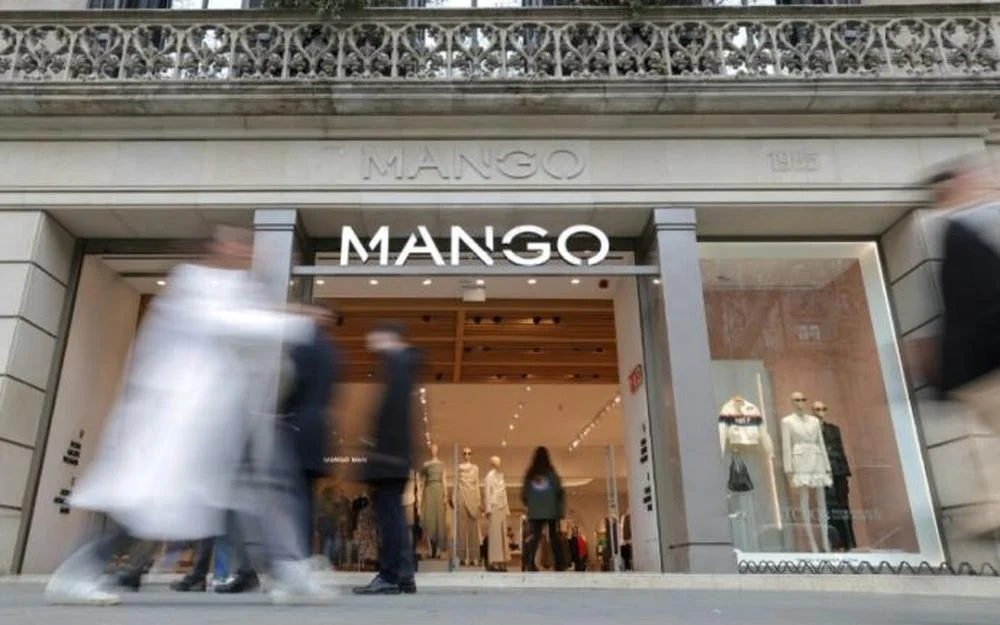
Mango Announces Major French Expansion: 45 New Stores by 2028
Spanish fashion retailer Mango has confirmed plans to open 45 new stores in France by 2028, a move that will create approximately 700 jobs and represents a €66 million investment in its largest international market. The announcement, made at the recent Choose France summit and detailed on June 9, 2026, underscores Mango's commitment to physical retail even as the fashion industry increasingly pivots to e-commerce.
According to company statements, Mango will open roughly 15 new stores each year, with each location expected to generate about 15 jobs. The expansion will bring the brand to ten new French cities, targeting both major metropolitan areas and medium-sized towns. This strategy aligns with Mango's existing network of 250 points of sale in France, more than 80% of which are located outside major city centers.
A Thriving Business in a Challenging Sector
Mango's expansion comes at a time when many traditional fashion retailers have struggled, with numerous store closures across France in recent years. By contrast, Mango has reported strong growth: its revenue in France has increased by over 20% in the last five years, according to the company's French director Yann Bayon. Globally, Mango posted a net profit of €242 million in 2025, up 11% year-on-year, on total revenue of €3.8 billion. International sales, primarily outside Spain, account for 78% of that figure.
The company's success is partly driven by its online channel, which now contributes roughly one-third of total sales. However, Mango continues to invest heavily in physical stores, having opened more than 260 new locations worldwide in 2025 alone. With over 2,900 stores across 120 countries, the brand remains privately held and unlisted on stock exchanges.
Founded in Barcelona in 1984, Mango initially focused on women's fashion but has since expanded into menswear and children's collections. Its minimalist design aesthetic and broad appeal have helped it maintain customer loyalty. "It's a brand that has followed me since I was a teenager," one French customer told reporters, while another described Mango as "a safe bet."
Why France Matters to Mango
France has been Mango's top international market since 1994, and the company currently employs about 1,700 people there. The new expansion will bring that figure to approximately 2,400. The €66 million investment signals Mango's confidence in the French economy and consumer demand, even as broader economic uncertainties persist across Europe.
The move also reflects a broader trend among global retailers: while e-commerce has reshaped shopping habits, many brands are rediscovering the value of physical stores as hubs for customer experience and brand loyalty. Mango's plan to open 15 stores annually through 2028 suggests a deliberate, measured approach rather than a rapid dash for market share.
Interestingly, the announcement comes during a period when other industries are also making headlines. For instance, the World Cup of Darts 2026: Littler and Humphries Lead England's Redemption Bid in Frankfurt has drawn sports fans' attention, while the World Cup 2026 Kicks Off Today: Mexico, Canada, USA Host Historic Expanded Tournament is dominating global sports coverage. But Mango's expansion highlights a different kind of victory: steady retail growth in a volatile sector.
The Competitive Landscape
French retail has seen a wave of closures among weak players, but strong brands like Mango continue to invest. The company's ability to maintain a double-digit net profit margin (roughly 6.4% in 2025) while expanding shows disciplined cost management and strong brand equity. Its reliance on international sales—78% of revenue—also insulates it from any single market downturn, though it exposes Mango to currency fluctuations and geopolitical risks.
By focusing on France, a market where it already has deep roots, Mango is doubling down on a known quantity. The 45 new stores will likely test whether the brand can replicate its success in smaller cities, potentially opening up new customer segments.
Broader Implications for Fashion Retail
Mango's aggressive store expansion flies in the face of predictions that physical retail is dying. Instead, the company appears to be betting that well-located, well-designed stores can coexist with a strong online presence. This omni-channel approach is increasingly seen as essential by major fashion players, from Zara to H&M.
The 700 new jobs are a welcome boost for the French labor market, particularly in regions outside Paris. While the fashion industry has faced criticism over sustainability and labor practices, Mango has not been a major target of such controversies, perhaps reflecting its relatively low-profile supply chain.
Interestingly, Mango's announcement coincides with a very different kind of "mango" story: the seasonal arrival of the fruit in South Asia, as noted in recent opinion pieces. But for business observers, the fashion brand's plans are the far more significant news.
Looking ahead, if Mango meets its target, it will operate nearly 300 stores in France by 2028, cementing its position as a major player in European fashion retail. The company's ability to maintain growth while investing heavily suggests that, for now at least, the brick-and-mortar retail model can still thrive—if executed with the right combination of location, product, and digital integration.
For context on other major developments this week, see PG&E Power Shutoffs Begin in Northern California as Red Flag Warnings Take Effect and Emma Little-Pengelly faces dual crises: jobs bill standoff and Belfast riot fallout.
Comments