
PG&E Implements Targeted Power Shutoffs Amid Red Flag Warning
Pacific Gas and Electric Co. (PG&E) began implementing Public Safety Power Shutoffs (PSPS) on Wednesday, June 10, 2026, as a wind-driven Red Flag Warning heightened wildfire risk across Northern California. By early afternoon, shutoffs had been activated in Colusa and Glenn counties, with additional de-energization expected in parts of Napa, Sonoma, Lake, Sutter, Tehama, and Yolo counties through Thursday.
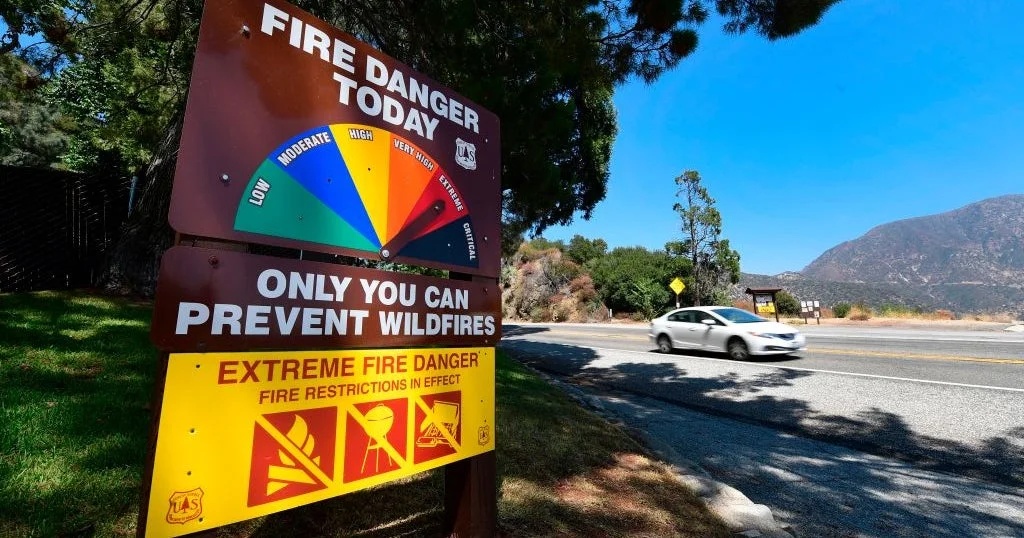
The deliberate outages are designed to prevent power lines from igniting wildfires during extreme weather conditions. The National Weather Service issued the Red Flag Warning — its highest alert for fire weather — for the North Bay Interior Mountains starting at 11 p.m. Wednesday through 9 a.m. Thursday, due to forecasts of strong winds, low humidity, and dry vegetation.
Wind gusts in the affected mountain areas, including the Mayacamas and Sonoma Mountain ranges as well as Mount St. Helena, were expected to reach 50 to 60 mph. In the broader region, gusts of 30 to 45 mph were predicted, creating conditions where any spark could cause a fire to spread rapidly.
According to PG&E’s outage map and planning notices, approximately 4,900 customers are likely to lose power. The utility said shutoffs are "likely" in portions of the following counties: Colusa, Glenn, Lake, Napa, Sonoma, Sutter, Tehama, and Yolo. The Cortina and Grindstone Rancherias may also be affected.
Areas of Impact and Timing
- Colusa and Glenn counties: Shutoffs began as of 1:30 p.m. Wednesday.
- Tehama, Yolo, Sutter, Lake, Napa, and Sonoma counties: Shutoffs may begin Wednesday night and continue through Thursday.
- North Bay mountains specifically: Areas in the Mayacamas Mountains and Sonoma Mountain ranges are under the Red Flag Warning and could see power cut as early as Wednesday evening.
Local officials, including the City of Sonoma, emphasized that while the city itself is not in the Red Flag Warning area and not included in the potential outage zone, residents in surrounding hillsides should remain prepared. The Sonoma Valley hillsides along the Highway 12 corridor are not currently expected to lose power, but conditions could change rapidly as the weather evolves.
Why These Shutoffs Matter: Fire Danger and Community Preparedness
The stakes for these shutoffs are high. The Red Flag Warning signals conditions that are ripe for catastrophic wildfires — the kind California has seen devastatingly in recent years. The combination of dry fuels, low humidity — often below 20% — and strong winds can transform a small spark into a fast-moving blaze within minutes.
PG&E equipment has been linked to some of California’s most destructive wildfires, including the 2018 Camp Fire, which killed 85 people and destroyed the town of Paradise. Since then, the utility has expanded its PSPS program as a preventive measure, cutting power to high-risk areas when weather conditions meet certain thresholds for wind speed, humidity, and fuel moisture.
For residents, this means frequent, sometimes disruptive power outages that can last from a few hours to several days. PG&E has opened Community Resource Centers (CRCs) in affected areas to provide device charging, Wi-Fi, water, snacks, blankets, and ADA-accessible restrooms.
Community Resource Centers (CRCs)
Locations where residents can gather for support during the outage:
- Sonoma County: First Congregational Church of Sonoma, 252 West Spain Street, Sonoma. Open Wednesday, June 10, 6:00 p.m. to 10:00 p.m.
- Tehama County: Rancho Tehama Association, 17605 Park Terrace Road, Corning.
- Glenn County: Elk Creek Junior Senior High School, 3430 Co Rd 309, Elk Creek.
Resources available at these centers include device charging, small medical device charging, portable batteries, Wi-Fi, water, snacks, blankets, and ADA-accessible restrooms with washing stations.
Preparedness Steps
Local governments and PG&E urge residents to take the following precautions:
- Charge phones, backup batteries, and electric vehicles before the outage.
- Review and update emergency plans and supply kits.
- Sign up for emergency alerts from local authorities and PG&E.
- Avoid any outdoor activities that could create sparks, such as using lawnmowers, dragging tow chains, or improperly disposing of cigarettes.
- Report any signs of smoke or fire immediately by calling 9-1-1.
For residents outside the immediate shutdown zones, the city of Sonoma reminds everyone to remain weather-aware and take extra precautions to prevent accidental ignitions.
Recent Context: May Shutoffs and Expanding Policy
This is not an isolated event. PG&E implemented a similar PSPS event in mid-May, which also affected thousands of customers across several Northern California counties. The frequency of these preventive shutoffs has increased in recent years as California endures longer, more intense fire seasons driven by climate change. Persistent drought, followed by years of near-record heat, has left vegetation dangerously dry even in late spring — traditionally a milder season for wildfires.
The shift toward earlier and more frequent shutoffs is part of a broader trend in California’s wildfire management. Utilities are investing heavily in grid hardening — burying power lines, installing covered conductors, and deploying advanced weather monitoring — but those upgrades take time. In the interim, PSPS events remain the primary tool to prevent ignition during extreme weather.
Broader Implications: The Reality of Living with PSPS and Extreme Fire Weather
As these shutoffs begin, residents and officials are grappling with the trade-offs between fire safety and the reliability of essential services. For thousands of households, losing power means losing refrigeration, medical device functionality, internet connectivity, and in some cases, access to well water. The economic cost can be substantial — spoiled food, lost work hours, and the expense of alternative lodging or power sources.
The Shift to Proactive Outages
California’s approach to wildfire prevention has evolved rapidly. Where once utilities waited for a fire to start before reacting, PSPS events flip that equation, cutting power before conditions become dangerous. The strategy has been credited with preventing additional wildfires during high-risk periods, but it has also faced criticism for causing hardship without always aligning with real-time weather conditions.
PG&E now uses a variety of data points — including wind speed, humidity, vegetation moisture, and satellite imagery — to make decisions, and the process is reviewed by state regulators. Still, for the nearly 5,000 customers likely affected this week, the reality is a day or more without power.
What This Changes
This week’s PSPS event reinforces that the fire season in California is increasingly year-round. June shutoffs were once rare; now they are becoming more common. For residents, it changes expectations about summer planning, emergency kits, and the need for backup power solutions especially for those with medical needs or electric vehicles that rely on home charging.
For policymakers, it underscores the urgency of grid modernization and adaptation to a changing climate. As one city official noted, “Residents should be prepared for changes in weather and power outage conditions — and the possibility that this could happen again before summer ends.”
Looking Forward
While the current Red Flag Warning is expected to expire by Thursday morning, the risk is not over. Weather patterns in the region can shift quickly, and PG&E may need to expand the outage zone or extend the duration. Residents are advised to monitor PG&E’s outage map for real-time updates and to follow local emergency management guidance.
For now, the priority remains keeping communities safe from wildfire. That means accepting the inconvenience of proactive power shutoffs — and hoping that this week’s weather passes without major incident.
Comments