
The 2026 FIFA World Cup Officially Begins Today
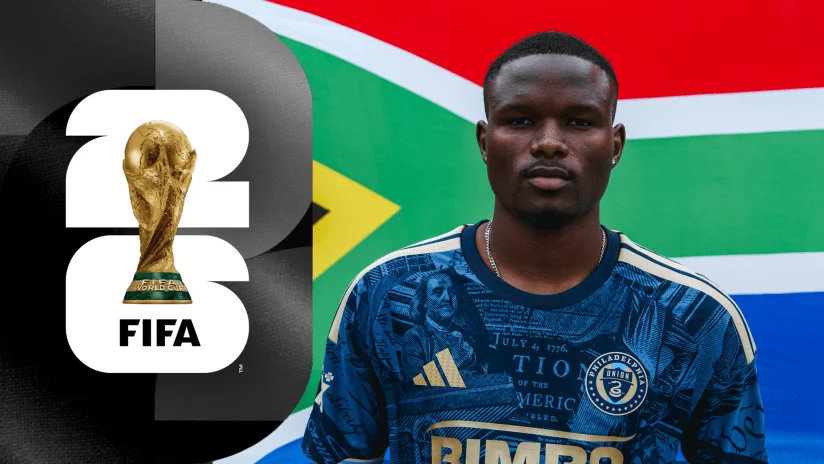
World football's biggest event is finally here. The 2026 FIFA World Cup kicks off on Thursday, June 11, 2026, with an opening match between Mexico and South Africa at the iconic Estadio Azteca in Mexico City. For the first time in the tournament's nearly 100-year history, the competition is jointly hosted by three countries: Mexico, Canada, and the United States.
This edition is unprecedented in scale. The tournament features 48 teams — up from 32 in previous years — and will see 104 matches played across North America before the final on July 19 at MetLife Stadium in East Rutherford, New Jersey. According to FIFA President Gianni Infantino, more than six million tickets have already been sold, with demand described as "unprecedented."
A Festival of Three Opening Ceremonies
Rather than a single opening ceremony, FIFA has orchestrated three separate events across the three host nations. The first takes place today in Mexico City, featuring performances by Maná, Alejandro Fernández, Belinda, Danny Ocean, J Balvin, Lila Downs, Los Ángeles Azules, and Tyla. A second ceremony will be held tomorrow in Los Angeles, headlined by Katy Perry, Future, Anitta, LISA, and Rema. Canada’s celebration in Toronto will showcase Michael Bublé, Alanis Morissette, Alessia Cara, and others.
These ceremonies are part of a broader effort to celebrate the continental nature of this World Cup, which spans from the Arctic Circle to Central America. The official tournament album, led by the single "Lighter" by Jelly Roll and Carín León, also launches today.
Why This World Cup Matters
The 2026 tournament is not just bigger; it is structurally different. The expanded format divides 48 teams into 12 groups of four. The top two from each group advance automatically, along with the eight best third-placed teams, creating a new 32-team knockout phase. This change was designed to give more nations a realistic path to the later stages, increasing global interest and competitive balance.
For the first time, the group stage will also feature mandatory water breaks to combat summer heat — a nod to the high temperatures expected in several host cities.
Key Matches and Storylines
The opening fixture between Mexico and South Africa kicks off Group A, which also includes South Korea and the Czech Republic. Later today, heavyweights such as Brazil (vs. Morocco), Argentina (vs. Algeria), and England (vs. Croatia) take the field. For a full schedule, check the official match calendar.
One of the most anticipated early matches is the United States vs. Paraguay in Group D. The US team, led by star Christian Pulisic, will look to capitalize on home-field advantage. Meanwhile, defending champions Argentina, led by Lionel Messi, begin their campaign against Algeria in Group J.
Injuries have already reshaped some squads. The Netherlands, for example, are dealing with significant absences, including Jurriën Timber and Xavi Simons, raising concerns ahead of their Group F opener against Japan. Mexico’s young prodigy Gilberto Mora, who turns 18 during the tournament, is drawing comparisons to Pelé after becoming one of the youngest players ever to participate in a World Cup.
Off-Field Controversies
The tournament has not been without drama. FIFA recently vetoed Haiti’s national team jersey, citing a political message embedded in the kit design. The decision has sparked discussion about the governing body’s rules on political expression in sport. Additionally, a Somali referee named Omar Artan was denied entry to the United States, effectively barring him from officiating at the World Cup — a story that has raised questions about visa policies for tournament officials.
Broader Implications and What’s at Stake
The 2026 World Cup represents a watershed moment for FIFA and for football in North America. By expanding the tournament to 48 teams and spreading matches across three countries, FIFA aims to grow the sport’s footprint in a region where soccer has historically trailed American football, basketball, and baseball.
Economic and Cultural Impact
Hosting the World Cup across three nations creates unique logistical challenges but also unprecedented economic opportunities. The United States alone is expected to see billions in tourism revenue, while Canada and Mexico will share the spotlight on a global stage. The decision to hold matches in cities as diverse as Toronto, Los Angeles, Mexico City, and New Jersey underscores a deliberate strategy to engage North America’s multicultural fan base.
For fans, the tournament also offers a chance to collect memorabilia. Early reports suggest that LEGO World Cup 2026 Sets Score Big as Fans Hunt for Trophy Deals are flying off shelves.
The Competitive Landscape
With 48 teams, the level of competition is deeper than ever. Traditional powerhouses like Spain, France, and Brazil remain favorites, but the expanded format gives underdogs more opportunities to advance. According to recent World Cup 2026 Power Rankings: Spain Edge France as Favorites in Expanded Field, the tournament is wide open.
FIFA President Infantino, addressing the media on the eve of the tournament, dismissed any regrets about hosting the event in the United States. "Organizing events is what I’ve done for 30 years," he said. "This is the best thing that can happen to football." He also confirmed that ticket prices as low as $60 are the most affordable in World Cup history.
A Month of Football
As the opening whistle sounds in Mexico City, the next five weeks will determine which nation lifts the trophy on July 19. For new fans tuning in for the first time, the rules are simple: 90 minutes of play, 45-minute halves, three points for a win, one for a draw, and no penalty shootouts in the group stage. The knockout rounds, however, bring the drama of sudden death and spot kicks.
Whether you are a lifelong supporter or a curious newcomer, the 2026 World Cup promises to be a tournament like no other. The world is watching North America — and the beautiful game has never been bigger.
Comments