
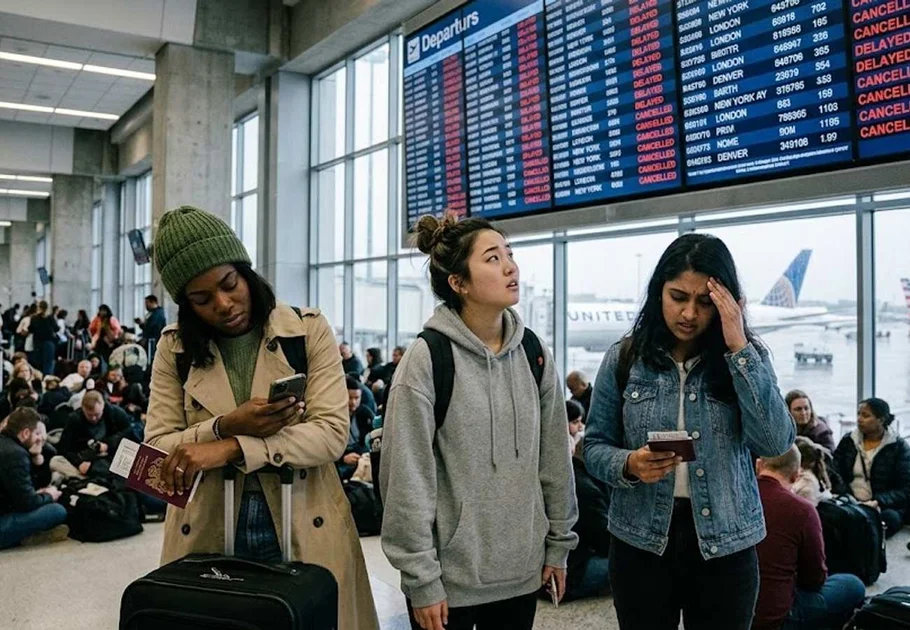
JFK Flight Cancellations Reach Critical Levels Amid Nationwide FAA Ground Stops
John F. Kennedy International Airport (JFK) is at the epicenter of a major travel disruption sweeping across the United States, as the Federal Aviation Administration (FAA) has implemented ground stops at multiple airports due to severe weather and equipment outages. FlightAware data shows that JFK, along with other Northeast hubs like LaGuardia (LGA), Newark Liberty (EWR), and Boston Logan (BOS), has seen at least 200 cancellations each, contributing to a nationwide total of nearly 2,000 cancellations by Friday, August 8. The chaos began on Thursday, August 6, when the FAA temporarily halted departures at nine major airports, including Atlanta, Boston, Baltimore, Washington D.C.'s Reagan National and Dulles, Las Vegas, LaGuardia, Orlando, and Minneapolis–Saint Paul. The disruptions have persisted into the weekend, leaving thousands of passengers stranded and airlines scrambling to rebook travelers.
At JFK specifically, the situation is dire. The airport recorded 96 delays on Thursday alone, the highest of any U.S. airport, while neighboring LaGuardia saw 43 cancellations, the most in the country. JetBlue, which has a significant presence at JFK, has been the hardest-hit carrier, leading all airlines worldwide in cancellations on several recent travel days. Delta Air Lines, another major JFK tenant, has also canceled hundreds of flights since the disruptions began. The combination of summer thunderstorms, air traffic control staffing shortages, and equipment failures has created a perfect storm for travelers, with no immediate end in sight.
Why This Matters: The Ripple Effects on Travelers and the Industry
The impact of these cancellations extends far beyond the inconvenience of missed flights. For business travelers, a canceled flight can mean missed meetings and lost revenue. For families, it can derail long-planned vacations. The financial toll is significant: airlines are required to provide refunds for canceled flights, but many passengers are opting for rebooking, which can take days given the volume of disruptions. According to the U.S. Department of Transportation, airlines are also obligated to cover meals and hotel accommodations for passengers stranded overnight due to cancellations caused by weather, though enforcement varies.
Delta Air Lines has issued a travel waiver for flights between August 6 and 7, allowing passengers to rebook without change fees. The waiver covers 10 airports, including JFK, LGA, EWR, BOS, BWI, DCA, IAD, PHL, ISP, and HPN. Passengers are advised to check their flight status regularly and use the airline's app to manage rebooking. However, with limited availability on later flights, many travelers are facing multi-day delays.
The FAA ground stops were implemented as a safety measure to manage air traffic flow during severe weather. Ground stops are typically short, but when combined with en-route delays, they can cascade into widespread cancellations. The agency has been criticized for understaffing at air traffic control facilities, particularly in the New York area, which has led to reduced capacity even on clear days. This week's weather has exacerbated those issues, leading to the highest cancellation numbers since the 2022 holiday travel meltdown.
### The Role of Weather and Equipment Outages
Severe summer thunderstorms moving along the East Coast have been the primary driver. The FAA reported equipment outages at several facilities, including radar and communication systems, which forced temporary shutdowns of departure flows. While weather is often cited as the cause, the FAA's infrastructure is aging, and the agency has struggled to modernize its systems. A 2023 report by the Department of Transportation's Inspector General found that many FAA facilities are operating with outdated equipment that is increasingly prone to failure.
Airlines have also contributed to the problem. JetBlue's pilots union, the Air Line Pilots Association (ALPA), issued a statement on Friday blaming the airline's management for a lack of preparation. Captain Wayne Scales, chairman of the JetBlue Master Executive Council, said that the airline's crew scheduling department was "effectively unreachable" during the disruptions, with pilots experiencing hours-long hold times. Many crews were left stranded at airports without hotel accommodations, further delaying recovery.
### JFK's Specific Challenges: A Hub in the Crosshairs
JFK is particularly vulnerable to disruptions due to its role as a major international gateway. The airport handles over 60 million passengers annually, with a high percentage of connecting traffic. When ground stops are implemented, international arrivals are often held at their origin airports or diverted to other U.S. cities, creating a ripple effect that lasts for days. Additionally, JFK's runway configuration is affected by weather patterns, and the airport has been undergoing construction on its new terminal, which has reduced gate availability during peak hours.
Delta's recent route adjustments at JFK, which eliminated service to Houston, Memphis, and St. Louis as of June 7, were part of a broader strategy to optimize its network. However, this means fewer options for passengers trying to rebook after a cancellation. The airline has shifted some of these routes to LaGuardia, but LGA is also under strain, with its own set of cancellation issues.
JetBlue, which operates a large hub at JFK, has been hit disproportionately. The airline canceled more flights than any other carrier globally on Thursday and Friday, according to FlightAware. In a separate incident on Sunday, a man climbed a barbed-wire fence at Fort Lauderdale-Hollywood International Airport and boarded a parked JetBlue aircraft, leading to a $2,000 delay and additional security scrutiny. That incident, while isolated, underscored the security challenges airlines face during chaotic operations.
Traveler Guidance: What to Do If Your Flight Is Canceled or Delayed
For passengers affected by the disruptions, experts recommend taking immediate action. The first step is to check your flight status on your airline's app or website. Enable push notifications for gate changes and delays. If your flight is canceled, don't wait in line—use the app to rebook or call the airline's customer service line. Airlines often have dedicated hotlines for frequent flyers, so use those if you have elite status.
If you're at the airport, head to the airline's customer service desk as soon as you know your flight is canceled, but be prepared for long waits. Some airlines allow you to request a refund and book a new flight on a different carrier, but this is typically only offered during widespread disruptions. If you're stuck overnight, ask about hotel vouchers and meal vouchers—airlines are required to provide these under certain circumstances, especially for cancellations caused by issues within the airline's control. For weather-related cancellations, the rules are less strict, but many airlines still offer accommodations to avoid customer backlash.
Travelers should also consider travel insurance, which can cover hotel stays and additional expenses incurred due to cancellations. However, most policies require you to purchase coverage before travel and may have exclusions for known weather events.
Broader Perspective: A Nationwide Air Travel System Under Stress
The current crisis at JFK is symptomatic of a broader trend: the U.S. air travel system is increasingly fragile. With record passenger numbers, airlines are operating at near-full capacity, leaving little buffer for disruptions. According to the Bureau of Transportation Statistics, the airlines' on-time performance has been declining, and the number of tarmac delays has increased. The FAA's NextGen air traffic control modernization program has been delayed for years, and the agency's funding has been criticized as inadequate to meet current demands.
This week's disruptions also highlight the concentration of traffic in the Northeast. The New York metropolitan area's three major airports (JFK, LGA, EWR) handle over 130,000 passengers daily, and any disruption there has national consequences. The FAA's ground stop program is a blunt instrument for managing capacity, and when implemented, it often results in a "domino effect" of cancellations across the country.
Looking ahead, airline industry experts say that the industry needs to invest in more resilient operations, including better crew scheduling algorithms and improved contingency planning. JetBlue's pilot union has called for a review of the airline's response to weather events, and other airlines are likely to face similar scrutiny. For passengers, the advice is to be patient, flexible, and prepared. As one travel expert put it, "Summer travel is always risky, but this week it's especially chaotic. The key is to stay informed and act quickly."
As the weekend approaches, the FAA and airlines are working to clear the backlog, but with more thunderstorms forecast in the Northeast, travelers should brace for additional disruptions. For now, checking flight status before heading to the airport is the best course of action. For those stranded, consider exploring alternative modes of transportation, such as Amtrak for short-haul routes, or look into nearby airports like Westchester County (HPN) or Long Island MacArthur (ISP) for alternate flights.
The situation at JFK is a reminder that even the busiest airports are not immune to the forces of nature and man-made challenges. With August being the peak of the summer travel season, the stakes are high. Whether you're a frequent flyer or a first-time traveler, staying informed is your best defense. For more travel advice, check out our guide on M5 Somerset Congestion: Crash and Closures Disrupt Holiday Travel, which offers tips on handling travel disruptions. And if you're heading to a concert to unwind after your trip, be aware of the Concert Etiquette Crisis: Why Fans Are Acting Out at Live Shows in 2026.
Stay safe, stay patient, and remember that this too shall pass—hopefully before your next flight.
Comments