
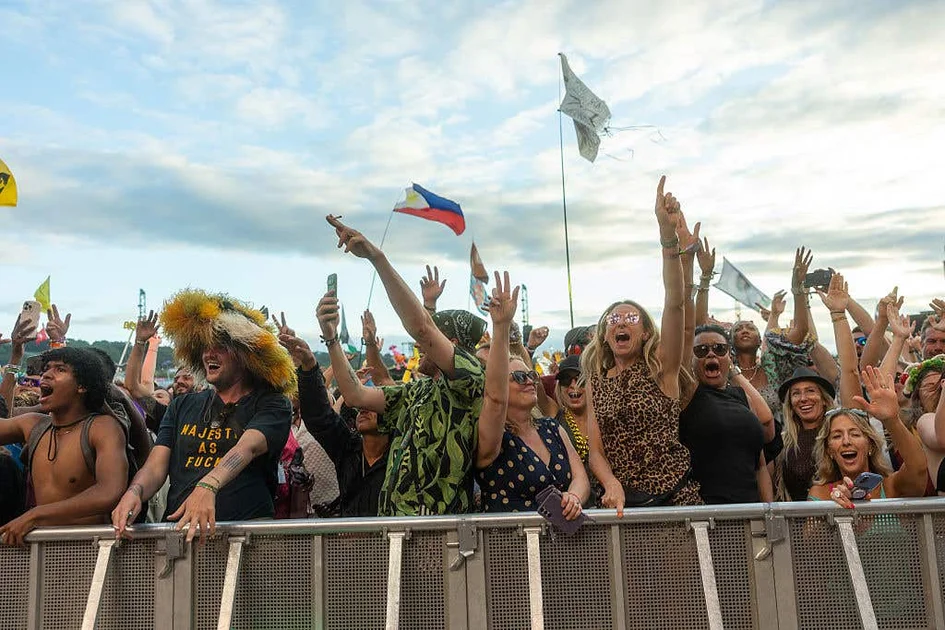
The Concert Etiquette Crisis: Why Fans Are Acting Out at Live Shows in 2026
It’s August 2026, and the summer concert season is in full swing. But alongside the music, a troubling trend has become impossible to ignore: audience behavior has reached a new low. From Harry Styles getting hit in the face with Skittles to fans filming entire shows on their phones, and a disturbing rise in public defecation at venues, concert etiquette in the 2020s is practically nonexistent. In fact, the phenomenon has become so widespread that there’s now a Wikipedia page dedicated to the decade’s uptick in terrible concert behavior.
Etiquette experts say the problem is only getting worse. Loud talking during performances, throwing objects at artists, and even physical altercations are becoming all too common. So, when did we stop behaving like civilized human beings at live events?
The Pandemic and Social Media Are to Blame
According to experts, two milestones of the 2020s have contributed to the rise in poor concert etiquette: the COVID-19 pandemic and social media’s integral role in our daily lives.
“Remember that a lot of young people went through their ‘coming of age’ years during the pandemic,” said Jo Hayes, an etiquette expert based in Australia. Gen Zers who graduated high school or college during lockdowns missed out on fundamental life lessons due to severely limited social contact from 2020 to 2022. “The normal ‘social training’ that used to come with everyday life suddenly vanished,” Hayes added. “Things like courtesy, consideration and respect for others, [and] picking up on social cues” were lost.
Meanwhile, social media has transformed concerts from communal experiences into content-grabbing opportunities. Fans are more concerned with capturing the perfect video for Instagram or TikTok than with enjoying the moment. This shift has eroded the shared respect between performers and audience members.
The Business of Live Music Feels the Pinch
The behavior isn’t just a social problem; it’s a business one. Incidents like Joan Jett’s recent injury and surgery (more on that below) highlight the physical risks artists face on stage, and unruly crowds add to the danger. When fans throw objects or rush the stage, they put themselves and performers at risk. Artists have even started pausing shows to call out bad behavior, which delays performances and disrupts the experience for everyone.
What’s Happening Now: Recent Incidents and Cancellations
This week, news broke that Rock & Roll Hall of Famer Joan Jett is canceling two concerts after suffering a fractured vertebrae and undergoing orthopedic surgery. Her team announced the cancellations on Instagram, saying she needs time to heal physical therapy. The shows in Costa Mesa, California (Sept. 5) and Louisville, Kentucky (Sept. 24) have been called off, and Jett has no more dates on her 2026 calendar.
While Jett’s injury wasn’t caused by fan behavior, it underscores the physical toll of touring. As she told Far Out Magazine in April, “That’s what I love most, is to be out on stage visibly seeing people enjoying themselves.” Her absence is a reminder that concerts are a delicate ecosystem where artist health and fan behavior are intertwined.
A Week of Live Music in Philadelphia
Meanwhile, in Philadelphia, the live music scene is thriving, but even here, audience behavior remains a concern. This week’s lineup includes Low Cut Connie’s free street party celebrating their protest album Livin in the USA, as well as shows by Hilary Duff, Billy Idol, the Isley Brothers, and Devo. The Happy Together tour, which rolls on after the death of Mark Volman, is also stopping by.
The Isley Brothers, formed in 1954, still perform with 85-year-old Ronald Isley at the helm. Their enduring presence proves that live music can unite generations—if only the audience would let it. But as these veterans take the stage, they face a new generation of fans who sometimes prioritize phones over applause.
Why It Matters: The Stakes for Live Music
Concert etiquette is not just about manners; it’s about the survival of live music as a shared cultural experience. When audiences act out, they ruin the experience for others and for the artists. A single thrown object can end a performance, as Harry Styles knows all too well. In extreme cases, bad behavior can lead to injuries, lawsuits, and venue bans.
Moreover, the normalization of bad behavior risks alienating casual fans. If people feel unsafe or disrespected at concerts, they may choose to stay home, hurting ticket sales and the broader music industry. The pandemic already dealt a heavy blow to live events; the industry cannot afford another setback.
Trends to Watch: The Pushback
But there’s a silver lining. Many venues and artists are fighting back. Some have installed netting to protect performers from thrown objects. Others are implementing stricter code-of-conduct policies and even ejecting unruly fans. On social media, there’s a growing movement to “put your phone down and live in the moment.” Etiquette experts are also offering practical advice, from arriving early to respecting personal space.
Perspective: A Generational Shift or a Temporary Phase?
Is this a permanent shift in how we experience live music, or a temporary phase? Some experts suggest that as Gen Zers get more social experience post-pandemic, behavior will improve. But with social media’s influence only growing, the pressure to capture every moment isn’t going away.
What’s clear is that the concert experience must evolve. It’s not enough to just play music; artists and venues must actively manage audience behavior. It’s also a call for all of us to remember why we go to concerts: to have fun and connect with others through music. As one expert said, “People often view concerts as a way to let loose, express themselves, and make the most of the money they’ve spent on the experience.” But letting loose shouldn’t mean letting go of common decency.
The next time you’re at a show, consider this: the artist standing on stage is a human being, and the person next to you is too. We all want the same thing—a great concert. Let’s make sure we don’t ruin it for each other.
For those looking to improve their own concert manners, remember the basics: respect the artist, respect your fellow fans, and maybe put the phone down for a song or two. After all, the best memories are often the ones not recorded.
This story is part of a regular series on live music and culture. For more on how social trends are shaping industries, check out our earlier analysis on urban development.
Comments