
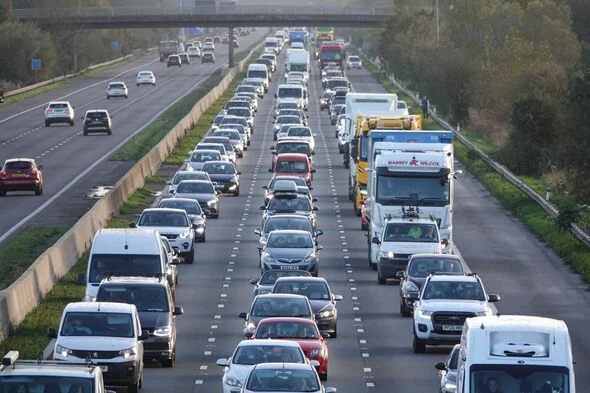
M5 Somerset Congestion: Crash and Overnight Closures Disrupt Holiday Travel
Motorbike Crash Causes Major Delays and Brief Closure at J21
A stretch of the M5 in Somerset was briefly closed southbound near Weston-super-Mare this morning (Saturday, August 8) following a serious motorbike crash. The incident, which occurred around 9am, brought traffic to a standstill for several hours and left a man hospitalised, according to local reports.
National Highways initially warned drivers of delays of up to 40 minutes and reported five miles of congestion on the approach to junction 21 (A370, Weston-super-Mare). Emergency services, including fire crews and police, attended the scene, with witnesses describing a rolling road block being put in place about a mile before the junction.
All lanes were reopened shortly after 9am, but residual delays persisted well into the late morning. By 11:07, traffic monitoring service Inrix reported that traffic had eased and conditions had returned to normal. The quick response from emergency services and the reopening of lanes helped prevent a more prolonged disruption, but local motorists faced a frustrating start to their weekend.
The crash is the latest in a series of incidents that have highlighted the vulnerability of the M5 corridor in Somerset, a key artery for holiday traffic heading to the South West. With the summer season in full swing, any incident can quickly escalate into significant congestion, affecting thousands of drivers.
Overnight Maintenance Closures Add to Traveller Woes
Adding to the challenges, the M5 in Somerset has also been subject to multiple overnight closures for essential maintenance work, which began earlier this week. The northbound carriageway between junctions 24 and 23 (from Huntworth to Dunball) was closed from 10pm to 6am on August 6-7 for resurfacing, with traffic diverted via the A38 and A39. Similarly, the northbound stretch between junctions 16 and 14 was closed for road marking renewal during the same period.
These planned closures, while necessary for long-term road safety, have compounded the frustration of drivers who faced unexpected delays from the crash. National Highways has urged motorists to plan their journeys ahead of time, especially during overnight hours, and to follow diversion routes to minimise disruption.
The combination of incident-related congestion and planned maintenance has put the M5 in Somerset under the spotlight, raising questions about the resilience of the region's road network during peak travel periods.
Why the M5 Corridor is Critical for the South West
The M5 is one of the most important motorways in the UK, serving as the primary route connecting the Midlands and the North to the South West of England. It carries millions of vehicles each year, including a large volume of tourist traffic heading to popular destinations such as Devon, Cornwall, and the Somerset coast.
During the summer months, weekend traffic volumes increase significantly, with holidaymakers and day-trippers adding to the usual commute. This seasonal surge means that even a minor incident, such as a breakdown or a small collision, can cause tailbacks that stretch for miles.
The stretch around Weston-super-Mare is particularly busy, as it serves both local traffic and long-distance travellers. Junction 21 is a key interchange for the A370, which provides access to the town and its seafront, making it a hotspot for congestion.
Local businesses and commuters rely heavily on the M5 for their livelihoods. Delays can mean missed appointments, lost trade, and extended journey times for those who depend on the motorway for their daily routines. The economic impact of congestion is significant, with studies suggesting that traffic jams cost the UK economy billions of pounds each year in lost productivity.
Moreover, the M5 is also a vital route for freight and logistics. Trucks transporting goods to and from the South West use the motorway daily, and any disruption can have a ripple effect on supply chains across the region.
The crash and the overnight closures have highlighted how fragile the network can be, particularly when incidents occur at peak times. While authorities work to clear accidents quickly and carry out essential maintenance, drivers are reminded that preparation and patience are key to navigating these disruptions.
The Rise in Summer Travel and Its Impact on Motorways
Summer 2026 has seen a marked increase in domestic travel, as more people opt for staycations amid economic pressures and ongoing global uncertainties. The South West remains one of the most popular destinations in the UK, with its coastline, national parks, and cultural attractions drawing millions of visitors.
This surge in road traffic has put additional strain on the motorway network. According to National Highways, traffic levels on key corridors like the M5 have been consistently above pre-pandemic levels during the holiday season. The combination of more cars and limited road capacity creates a perfect storm for congestion.
Weather conditions also play a role. August has brought a mix of sunshine and showers, with sudden downpours increasing the risk of accidents. The motorbike crash near Weston-super-Mare occurred on a Saturday morning, a time when many families set off for their holidays, making the disruption all the more impactful.
In response, transport authorities have been implementing measures to improve traffic flow, including smarter motorway technology and variable speed limits. However, these systems can only do so much when incidents occur. The reliance on quick incident response and effective communication with drivers remains critical.
For travellers, the advice is clear: check traffic updates before setting out, allow extra time for journeys, and consider alternative routes when possible. The M5 may be the most direct option, but patience and flexibility can help reduce the stress of delays.
What This Means for Drivers and the Region
The events of August 8 serve as a reminder of the importance of road safety and the need for continued investment in transport infrastructure. While the crash was quickly cleared, it highlighted how a single incident can disrupt the lives of thousands of people.
For local residents, the frequent congestion on the M5 is a daily reality. Calls for improvements to the motorway, including widening schemes and better junction layouts, have been made for years, but funding remains a challenge. The recent closures for maintenance are part of ongoing efforts to keep the road safe, but they also cause short-term inconvenience.
The economic implications are significant. Somerset’s tourism industry relies on accessible roads to bring visitors to the area. Any perception of persistent congestion could deter potential tourists, affecting local businesses and jobs.
Moreover, the environmental impact of idling traffic cannot be ignored. Long queues contribute to higher emissions, undermining regional efforts to tackle air quality and climate change. Reducing congestion is not just about convenience; it is also an environmental imperative.
Looking ahead, authorities are exploring longer-term solutions, including improved public transport links and better integration of smart technology. However, for now, drivers must navigate the immediate challenges of crashes and roadworks that are an inevitable part of maintaining a busy motorway.
The motorbike crash and the overnight closures are separate events, but together they underline the need for vigilance and planning. Whether you’re a daily commuter or a holidaymaker, staying informed is essential.
How to Stay Updated and Plan Your Journey
For those travelling on the M5 in Somerset, there are several ways to stay informed about current conditions. National Highways provides live updates on its website and social media channels, while local news outlets such as Somerset Live and the Somerset County Gazette offer real-time traffic blogs during major incidents.
Traffic apps like Google Maps, Waze, and Inrix also provide live congestion data and alternative routes. It’s advisable, especially during peak summer periods, to check these before setting out and to remain aware of any planned closures or ongoing incidents.
If you are caught in a delay, remember to stay calm and follow the instructions of traffic officers and emergency services. Rolling road blocks are used for safety and should not be bypassed. Patience is crucial – aggressive driving only makes situations worse and increases the risk of further accidents.
Ultimately, while the M5 in Somerset can be challenging, careful planning and a flexible mindset can make all the difference. The region’s beauty and attractions are worth the journey, but a little preparation goes a long way in ensuring a safe and smooth trip.
The recent incidents are a stark reminder of the fragility of our road network. By staying informed and driving responsibly, we can all contribute to reducing congestion and keeping our roads safe for everyone.
Comments