
World Cup Travel Chaos Looms as Canada Enacts Ebola Restrictions and U.S. Tightens Borders
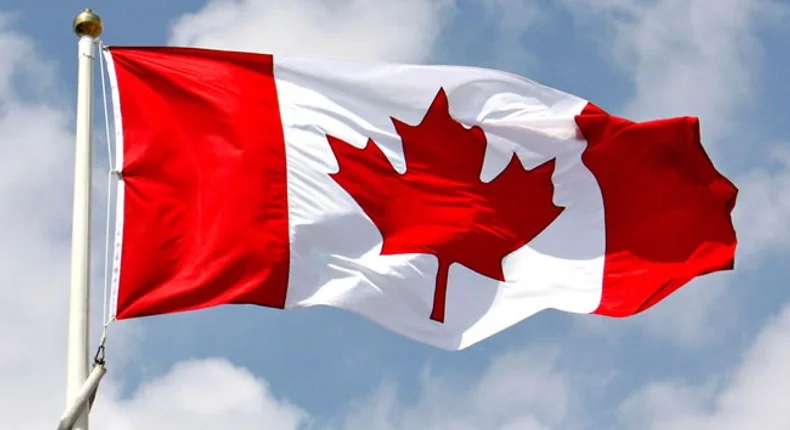
Just days before the FIFA World Cup kicks off across North America on June 11, 2026, a new layer of uncertainty is hitting travelers bound for Canada. The Canadian government has imposed temporary travel restrictions aimed at curbing the spread of the Ebola virus, blocking visitors from several countries, including the Democratic Republic of Congo and neighboring nations. The move, announced by the Public Health Agency of Canada, has already disrupted plans for diaspora communities in cities like Montreal, where Congolese residents find their summer travel schedules suddenly upended.
Meanwhile, the United States has introduced sweeping visa processing changes and a travel ban affecting nationals from 39 countries, raising the stakes for the nearly 44% of Americans who plan to travel internationally this summer. With the World Cup bringing athletes, fans, and officials across borders, the combination of public health measures and tightened immigration policies is creating a perfect storm for delays, confusion, and potential entry denials.
"We are currently in contact with the relevant authorities and expect that Breel will either join the team later today or travel tomorrow," the Swiss football federation said after star player Breel Embolo's ESTA authorization was placed under review just hours before his team was due to fly to the United States. Embolo's case illustrates the fragile nature of travel approvals even for high-profile athletes, as the Visa Waiver Program faces heightened scrutiny.
Canada's Ebola Travel Restrictions: What Travelers Need to Know
Canada's public health agency announced on June 1, 2026, that it is temporarily blocking visitors from countries affected by the Ebola outbreak, primarily in Central and West Africa. The restrictions apply to foreign nationals who have been in countries with confirmed Ebola cases within 21 days of their intended travel to Canada. While Canadian citizens and permanent residents remain exempt, the policy has stranded many visitors and temporary residents abroad.
Impact on Montreal's Congolese Community
For Congolese Montrealers, the timing is devastating. Many had planned summer trips to visit family or attend weddings, only to find their flights canceled or their visa applications frozen. "My mother was supposed to come for the World Cup festivities, but now she can't even get a visa appointment," said one Montreal resident in an interview with CTV News. The Canadian Border Services Agency has not issued a timeline for when the restrictions might be lifted, citing the evolving nature of the outbreak.
The restrictions are part of a broader trend: Canada has increasingly used public health justifications to limit entry, a move that echoes the COVID-19 era but now targets specific regions. The World Health Organization has not yet declared a global emergency, but Canada's proactive stance reflects a growing wariness among governments about cross-border disease transmission.
U.S. Visa Overhaul Adds to the Pressure
Across the southern border, the United States is implementing its most significant visa processing changes in years. According to BAL Immigration Law, all visa applicants—including infants and the elderly—must now appear for an in-person interview, eliminating most interview waivers. Applicants must also submit their forms online at least two to three business days before the interview. The changes are designed to enhance security but are causing bottlenecks at consulates worldwide.
Travel Ban List Widens
The U.S. has imposed travel restrictions on nationals from 39 countries and those carrying Palestinian Authority-issued documents. These restrictions apply to individuals who were outside the U.S. on January 1, 2026, and did not hold a valid visa at that time. Additionally, USCIS has paused certain immigration benefit requests for nationals of these "high-risk" countries, and the State Department has halted all immigrant visa issuance for nationals of 75 countries.
This creates a daunting landscape for World Cup attendees who might need to transit through or visit the U.S. before heading to Canada. Many fans from restricted countries who planned to attend matches in multiple host nations now face the possibility of being barred from entering the U.S. altogether.
The FIFA World Cup Factor: Athletes and Fans at Risk
The 2026 FIFA World Cup is the first to be hosted by three nations—the United States, Canada, and Mexico—and is expected to drive massive cross-border travel. But the new restrictions are already causing disruptions. Breel Embolo's case is a warning sign: his ESTA was approved, then suddenly placed under review, leaving Switzerland's national team scrambling. The Swiss federation's statement underscored the unpredictability: "Unfortunately, Breel Embolo is currently unable to travel to the United States with the team."
Fans face similar hurdles. According to Fragomen, a law firm specializing in global mobility, the Visa Waiver Program allows entry for up to 90 days for tourism, but country eligibility changes frequently. The B1/B2 visitor visa appointment wait times can range from days to over a year, and the FIFA Pass priority scheduling tool offers only limited relief. For fans from restricted nations, even obtaining an appointment may be impossible.
Canada's Dual Challenge
Canada must balance its public health obligations with its role as a World Cup host. The government has stated that athletes and officials with valid visas will be processed, but the restrictions on countries with Ebola outbreaks could affect up to a dozen participating nations. The ambiguity is fueling anxiety among team managers and travel agents.
In a related development, a recent court ruling provided some relief: Judge Blocks Trump Policy Freezing Green Cards and Work Permits for Travel Ban Countries. This decision temporarily halts the freeze on green cards for nationals from banned countries, but it does not address the broader travel restrictions or the Ebola-related bans.
Broader Implications for Summer 2026
The convergence of events this summer—the World Cup, Ebola concerns, and aggressive U.S. immigration enforcement—is reshaping travel patterns. Studies project that nearly 44% of Americans plan to travel internationally this summer, but many are now reconsidering. Employers with global workforces are scrambling to advise employees on documentation and contingency plans.
Stricter Screening at Ports of Entry
Foreign nationals are experiencing stricter screening and vetting at U.S. ports of entry. Canadian citizens, who traditionally enjoy simplified entry, are also being subjected to more questions about the purpose and duration of their visits. U.S. Customs and Border Protection officers now frequently ask for proof of return travel, employment, and sufficient funds. Travelers with criminal records face even more intense scrutiny and may need to carry court documents or waivers.
The Rising Role of Technology in Border Security
Both Canada and the U.S. are leveraging technology to enforce restrictions. Canada is using electronic travel authorizations (eTAs) to flag applicants from affected regions, while the U.S. has upgraded its ESTA system to cross-reference health data. This digital tightening mirrors trends in other sectors—for instance, innovations in automation are also transforming industries, as seen in the BlackBerry Stock Surges on WSB Frenzy and QNX Robotics Momentum story, where QNX's robotics platform is gaining traction in autonomous border patrol vehicles.
What This Changes for Travelers
The immediate impact is clear: anyone planning to travel to Canada or the United States this summer must check the latest entry requirements well in advance. For Canadians visiting the U.S., the Western Hemisphere Travel Initiative still allows entry with a passport, NEXUS card, or enhanced driver's license, but delays at land crossings are expected to increase. Visitors from Ebola-affected countries should assume they will be denied entry unless they can prove they have not been in a risk zone for 21 days.
Long-Term Trends
These restrictions are not temporary anomalies. They signal a shift toward more layered, risk-based border controls that combine health, security, and immigration objectives. The World Cup is acting as a stress test, revealing gaps in coordination between the three host nations. If the tournament proceeds with minimal disruption, it could set a precedent for future mega-events. If chaos ensues, governments may face pressure to harmonize their policies.
For now, travelers must navigate a patchwork of rules. The Swiss team's experience with Breel Embolo is a cautionary tale: even when you follow the rules, the rules can change. As the countdown to kickoff continues, the only certainty is uncertainty.
Comments