
Federal Judge Strikes Down Trump Administration's Immigration Benefit Freeze
In a landmark decision on Friday, June 5, 2026, Chief U.S. District Judge John McConnell of the District of Rhode Island invalidated a series of Trump administration policies that effectively froze the processing of work permits, green cards, asylum claims, and citizenship applications for nationals from 39 countries subject to the president's travel bans. The ruling represents one of the most significant judicial rebukes of the administration's immigration enforcement tactics, which critics argue have bypassed congressional intent and basic administrative law.
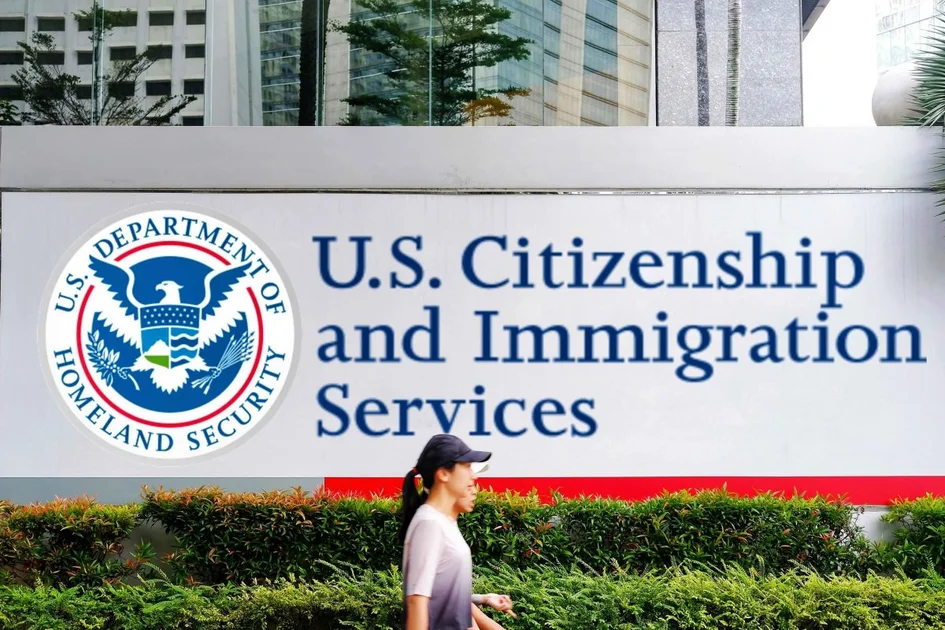
The lawsuit, filed in March by a coalition of immigrant service organizations and labor unions, challenged policies adopted by U.S. Citizenship and Immigration Services (USCIS) starting in November 2025. These policies placed an indefinite hold on processing immigration benefits for individuals from nations on Trump's expanded travel ban list—including Iran, Nigeria, Venezuela, and dozens of African, Asian, Latin American, and Middle Eastern countries. Judge McConnell, an Obama appointee, found that USCIS had violated the Administrative Procedure Act by implementing rules that "threw the lives of countless immigrants living in the United States into indeterminate legal limbo."
No Wrongdoing, Only Birthplace
In his sharply worded opinion, McConnell wrote that the challenged policies could not be attributed to anything the affected individuals had done wrong. Instead, he noted, the freeze arose "solely by the happenstance of their birth." The judge emphasized that these immigrants had followed the legal processes established by Congress and USCIS regulations, yet found themselves "stuck waiting, for months on end, for benefit requests that USCIS refuses to adjudicate."
"But the rule of law has to apply to everyone equally," McConnell wrote. "As evident here, USCIS has neither 'followed the law' nor 'done things the right way.' Indeed, the agency has violated the very immigration laws that Congress has charged it with administering, as well as the administrative laws that govern the agency's actions."
Why This Ruling Matters: The Real-World Impact on Immigrants
The decision lands amid an aggressive push by the Trump administration to overhaul legal immigration alongside its larger mass deportation program. The benefit freeze, initially framed as a temporary measure while the Department of Homeland Security (DHS) reviewed screening procedures after two National Guard members were shot in Washington, D.C., last year, had remained largely unchanged for over six months.
Job Losses and Legal Limbo
For thousands of immigrants already living lawfully in the United States, the freeze had devastating consequences. Many lost their jobs when work permit renewals were stalled, while others saw their legal status lapse as green card applications gathered dust. McConnell noted that countless individuals remained "without work, without legal status, and without any meaningful ability to plan for their futures."
The policies originated from two memos issued by USCIS Director Joseph Edlow in December 2025 and early January 2026. The first memo halted all asylum processing and directed that past benefit decisions for travel ban nationals be re-reviewed. It also introduced "country-specific factors" from the White House travel bans as considerations for future adjudications. The second memo extended the freeze while DHS ostensibly developed new vetting protocols.
Broader USCIS Crackdown
The benefit freeze was part of a broader pattern of USCIS policies disrupting humanitarian protections and employment authorization for a wide range of migrants. DHS has simultaneously moved to dismantle asylum protections and slow the approval of work documents. Meanwhile, the State Department has blocked green cards for applicants from 75 countries over concerns about reliance on government benefits—a policy that remains in effect despite the court's ruling.
The Trump administration had lifted the asylum freeze in March, but only for applicants not from travel ban countries, leaving those from the 39 nations still in a holding pattern. The accumulation of lawsuits challenging these policies had already yielded some preliminary wins for individual plaintiffs, but Friday's ruling is the first to strike down the policies wholesale.
The Legal Basis: Violating the Administrative Procedure Act
Judge McConnell's ruling centers on the Administrative Procedure Act (APA), the federal statute that governs how agencies create and enforce regulations. Under the APA, agencies must follow established procedures—including notice-and-comment rulemaking—before implementing policies with broad impact. The court found that USCIS had sidestepped these requirements entirely.
A Pattern of Overreach
McConnell's opinion echoes a growing list of federal court rulings that have rejected Trump-era immigration policies as procedurally flawed. Just last month, the Supreme Court sided with the administration on a separate telecom regulation case, but immigration-related challenges have consistently found traction in lower courts. Legal experts say the ruling could have ripple effects beyond the 39-country freeze, potentially setting precedent for challenges to other USCIS policies implemented without proper administrative process.
The judge specifically noted that the hold on adjudications could not be justified by national security concerns, because the affected individuals were already in the United States and had undergone background checks. "These are people who have played by the rules," said one of the attorneys for the plaintiffs. "They came here legally, applied for benefits legally, and were told to wait—indefinitely—because of where they were born."
Broader Implications: What This Changes for Immigration Policy
The ruling is more than a legal victory for the coalition of immigrant service organizations and labor unions that brought the suit. It represents a fundamental challenge to the administration's strategy of using travel bans as a backdoor mechanism to restrict legal immigration without congressional approval.
Political and Electoral Fallout
The decision comes at a politically sensitive moment. The Senate recently approved a $70 billion immigration package after rejecting efforts to permanently ban Trump's settlement fund, signaling deep partisan divides on immigration enforcement. Meanwhile, the administration has continued to push aggressive policies, including a proposal to require U.S. citizens to sponsor all immigrants and a crackdown on employer sanctions.
Friday's ruling could energize both sides of the debate. Immigration advocates see it as a necessary check on executive overreach, while administration officials and their allies in Congress may use it to argue for more expansive executive authority or to push for legislation codifying the travel ban policies. For context on ongoing immigration legislative battles, see GOP Senators Secure DOJ Fund Abandonment to Advance $72B Immigration Package.
What Happens Next
The Department of Homeland Security has not yet commented on the ruling or indicated whether it will appeal. But the legal fight is far from over. The Trump administration has shown a pattern of defying or circumventing court orders in immigration cases, often issuing revised policies with slight modifications. If DHS chooses to appeal, the case would go to the First Circuit Court of Appeals, which has issued mixed rulings on similar immigration challenges in the past.
In the meantime, USCIS is expected to resume processing the frozen applications—a process that could take months given the backlog. The court's order does not set a timeline for adjudications, leaving applicants still uncertain about when they will receive decisions. Many remain in precarious situations: without work, without status, and without a clear path forward.
Perspective: The Human Cost and the Rule of Law
Beyond the legal and political dimensions, the ruling lays bare the human toll of policies that treat immigrants as bargaining chips in a broader ideological battle. Judge McConnell's opinion is notable for its empathy, acknowledging that the freeze did not merely delay paperwork but "placed the lives of countless individuals on hold."
A Broader Trend
This is not an isolated incident. Across the country, federal courts have pushed back against what they see as agency overreach in immigration enforcement. Earlier this year, judges blocked DHS attempts to expedite deportations without due process and stopped the State Department from denying visas based on health insurance requirements. The message from the judiciary is consistent: immigration law, like all law, must be administered fairly and transparently.
Yet the administration's approach appears unchanged. By framing immigration enforcement as a matter of national security, Trump officials have sought to bypass the procedural safeguards that have governed U.S. immigration law for decades. Friday's decision suggests that, at least for now, the judiciary is unwilling to let that stand.
What This Means for the Future
The ruling could have lasting implications beyond the current administration. If it stands on appeal, it would cement the precedent that the Administrative Procedure Act applies fully to immigration benefit adjudications—limiting the ability of any future administration to impose similar freezes without going through proper rulemaking.
For the thousands of immigrants from the 39 countries who have been waiting for months, Friday's ruling offers a glimmer of hope. But for many, the damage is already done: lost jobs, disrupted lives, and months of uncertainty that cannot be undone by a court order. As Judge McConnell noted in his conclusion, the rule of law must apply equally to everyone—but for those caught in the freeze, the rule of law has been painfully slow to arrive.
Comments