
New PM’s First Cost-of-Living Move Targets Energy Bills and Electric Car Owners
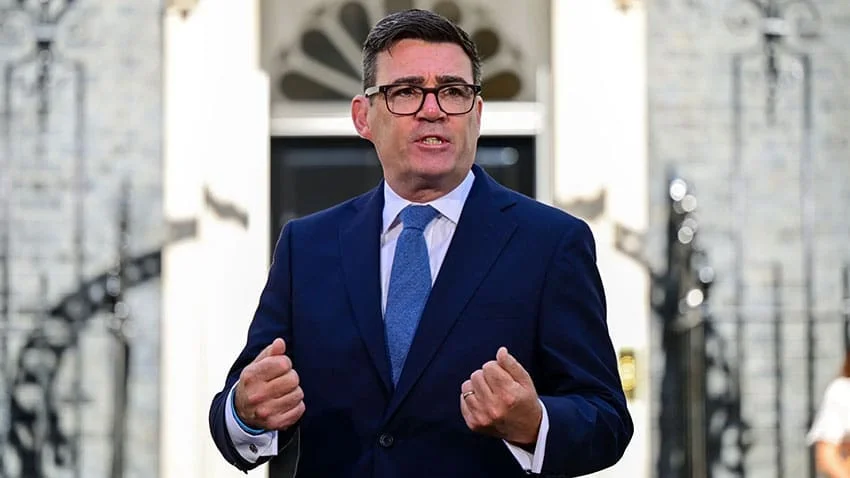
Within 48 hours of taking office, Prime Minister Andy Burnham has announced the removal of 5% VAT on household electricity bills across Great Britain, a move expected to save the average home around £45 a year starting from October 1, 2026. The policy, revealed on July 21, is the first major intervention of his administration’s cost-of-living agenda and directly affects millions of households—including the growing number of electric vehicle (EV) owners who rely on home charging.
Chancellor John Healey confirmed the tax cut will be funded by scrapping the previous government’s digital ID scheme, which officials say had no allocated budget. However, questions over the policy’s fiscal credibility emerged almost immediately, with sacked chief secretary Darren Jones calling the digital ID programme “unfunded” and warning that the government must explain how it will pay for the VAT cut.
For EV drivers, the VAT exemption is particularly significant. Based on current Ofgem price-cap rates of 26.11p per kilowatt-hour (including VAT), a full charge for a 100kWh battery—typical of larger electric cars—drops from £26.11 to about £24.87, saving roughly £1.24 per full charge. Over a year of regular home charging, those savings can accumulate substantially.
How much will EV owners actually save?
The government calculates that removing 5% VAT reduces the final electricity bill by about 4.8%, because VAT is applied to the pre-tax price. Carwow’s analysis, published July 21, notes that “if you regularly charge your car at home, that means every charge should become slightly cheaper.” For a typical EV owner charging weekly, the annual saving on charging alone could reach £60–£80, on top of the £45 average household bill reduction.
Yet the real-world benefit depends heavily on the forthcoming energy price cap, due to be announced on August 26 for the period October to December 2026. Cornwall Insight forecasts a 2% rise in the cap, driven by ongoing tensions in the Middle East. If electricity unit costs increase, the VAT cut could be partially offset—though consumers will still pay less than they would have without the tax break.
Why the Policy Faces Scrutiny Over Funding and Targeting
Downing Street insists the VAT cut is “fully funded” by cancelling the digital ID programme, a central plank of former prime minister Keir Starmer’s legacy. But the Treasury has yet to publish detailed costings, and critics argue the numbers don’t add up. Darren Jones posted on X: “The DigitalID program was unfunded. The government will have to set out how it will pay for its new policies at the budget.”
Conservative leader Kemi Badenoch dismissed the announcement as a gimmick, stating that “Burnham’s VAT cut has already fallen apart.” The Liberal Democrats welcomed the energy relief but said it “doesn’t go far enough,” while the Green Party called for a more robust energy cap.
A narrower relief for gas-heated homes
A significant limitation of the policy is its focus on electricity only. Households that heat their homes with gas—still the majority of British homes—will see no direct benefit on heating costs. The Institute for Fiscal Studies pointed out that since the start of the Iran war, gas prices have risen 24% compared with electricity’s 5% rise, arguing the tax cut is “not well targeted” at the households most affected by the global energy shock.
For EV drivers, however, the timing is advantageous. Winter typically brings higher electricity consumption, and the six-month VAT exemption covers the peak charging season. Business Secretary Jonathan Reynolds told BBC Breakfast that the £45 saving “comes on top of the £150 in savings announced in the last Budget,” though he offered no new detail on how the cumulative relief would be delivered.
Broader Implications for the EV Market and Consumer Confidence
Burnham’s decision to zero-rate VAT on home electricity sends a clear signal about his government’s priorities: easing immediate cost pressures while nudging consumers toward cleaner transport. The policy arrives as the UK’s EV adoption rate continues to climb, with battery-electric vehicles now accounting for nearly a quarter of new car sales. Home charging remains the most convenient and cheapest option for most owners, and any reduction in per-kilowatt-hour costs strengthens the total-cost-of-ownership case for going electric.
Potential boost to second-hand EV demand
The saving, though modest per charge, could encourage more households to consider switching from petrol or diesel. With used EV prices stabilising after a volatile 2024–2025 period, the VAT cut may help sustain demand in the secondary market. A typical 60kWh family EV—such as a Kia EV6 or Tesla Model 3—would save about 75p per full charge, or roughly £39 annually if charged once a week. For budget-conscious buyers, these incremental savings can factor into the decision to go electric.
Carwow’s analysis highlights that “charging your electric car at home could get cheaper under Andy Burnham’s VAT plan,” and notes that the reduction applies to all households on standard and fixed-rate tariffs alike. Fixed-rate customers will see the same percentage saving, though their underlying unit price is locked.
A cautious welcome from industry
Automotive and energy-sector reactions have been generally positive but measured. The Society of Motor Manufacturers and Traders (SMMT) acknowledged the move as “a step in the right direction” but repeated its call for a long-term reduction in public charging VAT from 20% to 5%, a gap that still disincentivises drivers who lack off-street parking. Similarly, energy trade body Energy UK urged the government to ensure suppliers pass on the full VAT saving to customers, warning that past tax cuts have sometimes been absorbed by administrative costs or delayed implementation.
A political gamble wrapped in a tax break
For Burnham, the VAT cut represents a high-stakes attempt to demonstrate immediate action after a campaign built on “bringing back hope” and easing the cost of living. His choice of John Healey as chancellor—seen as a safe pair of hands—underlines the administration’s focus on fiscal discipline, even as the funding mechanism remains contested.
The prime minister’s first cabinet meeting, held on July 22, was dominated by the row over the digital ID scheme’s finances. Burnham told ministers they must be “prepared to make difficult decisions” and form part of a “cost of living government.” His spokesperson confirmed that plans for a “No 10 North” in Manchester would come at no extra cost to taxpayers.
Yet the political calculus may hinge on whether voters feel the £45 saving is enough. With inflation still above target and energy markets volatile, the government faces pressure to deliver more. The Green Party’s call for a “robust energy cap” reflects wider concern that temporary tax cuts are no substitute for structural reform of the energy market.
What happens next?
The VAT exemption will take effect on October 1, coinciding with Ofgem’s quarterly price-cap update. A further cost-of-living announcement is expected within days, possibly addressing gas prices, housing support, or welfare adjustments. Meanwhile, the Treasury will need to clarify the digital ID cancellation costs by the next fiscal statement, likely in September.
For EV drivers, the immediate priority is to check whether their supplier automatically applies the zero-rate VAT from October. Most major providers—British Gas, EDF, Octopus Energy, and others—have indicated they will amend billing systems in time. Owners on fixed-rate tariffs should confirm with their supplier that the VAT cut will be reflected in their next bill.
In related news, the government’s broader energy strategy includes plans to expand public charging infrastructure and reduce the 20% VAT rate on public chargers, though no timeline has been set. As the UK navigates a complex energy landscape, the Burnham administration’s first policy move offers a glimpse of its approach: quick, visible relief, funded by the cancellation of a predecessor’s project, but leaving longer-term questions unanswered.
A test of credibility for the new government
Ultimately, the VAT cut on electricity bills is as much a political statement as an economic intervention. It signals that Burnham intends to govern from the centre-left, prioritising household budgets over grand digital projects. But whether it passes the credibility test depends on how quickly the Treasury can prove the sums work—and whether the savings reach the pockets of the households and EV drivers who need them most.
Comments