
Education Secretary Under Fire as Teacher Confidence Collapses and Heatwave Disrupts Learning
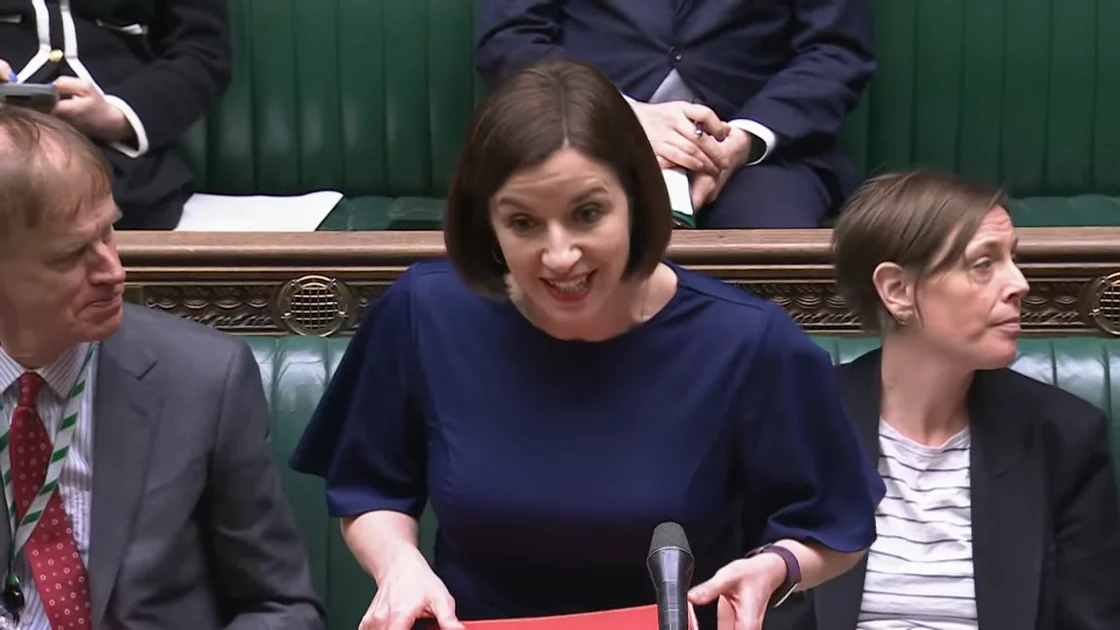
Bridget Phillipson, the UK's Education Secretary, is facing a perfect storm of crises this week. A new poll from the National Education Union (NEU) has revealed that zero percent of its members believe she is doing a very good job, while hundreds of schools across England and Wales are being forced to close due to a severe heatwave. The developments raise serious questions about the government's handling of education policy and infrastructure resilience.
The NEU survey, conducted by Deltapoll among over 4,000 members, paints a devastating picture of teacher morale. Some 72% of respondents said the Labour government has done 'fairly badly' or 'very badly' on education. Only 9% think Phillipson is doing well at all, making her even less popular than the recently resigned Prime Minister Keir Starmer. The union's leadership was scathing, accusing the Education Secretary of failing to address classroom realities despite attempting to appease union leaders.
A Labour source pushed back against the criticism, stating: "For classroom teachers, Bridget has meant a near 10% pay rise in two years – she’s delivering a far better deal for them than teaching union leaders more interested in cuddling up to Zack Polanski than changing children’s lives." However, the polling suggests the pay increases have not translated into confidence in her leadership.
Heatwave Forces Mass School Closures
Simultaneously, a major heatwave is disrupting education across southern England and Wales. Hundreds of schools are expected to close or drastically reduce hours on Wednesday and Thursday as temperatures are forecast to reach 40°C within a 'red zone' affecting London, the South West, and parts of the Midlands. Headteachers report that supplies of fans and portable air conditioning units have sold out at local hardware stores.
Daniel Kebede, general secretary of the NEU, warned it could be dangerous for schools to remain open. "Our Victorian school buildings have become greenhouses. The government must step up. We need urgent, massive capital investment to retrofit our ageing school estates with proper ventilation, shading, and climate-resilient cooling infrastructure," he said.
The closures are causing significant disruption for working families. One parent in Bristol told the Guardian they were worried about the disproportionate impact on families where both parents work, or single parents, particularly those in precarious employment who may lose several days' income. The situation echoes the 2022 heatwave, but many schools that remained open then are now choosing to close, citing worsening conditions.
The Broader Context: A Government in Crisis and Systemic Failures
The education sector's current woes are unfolding against a backdrop of political turmoil. Starmer has just resigned, and a leadership contest is underway, with figures like Andy Burnham and Darren Jones being floated as potential successors. The government is also embroiled in internal fights over fiscal policy, with Rachel Reeves insisting on forcing a defence plan through the outgoing administration.
Phillipson's position is further complicated by her perceived failure to win over classroom teachers despite significant pay increases. The NEU poll suggests that teachers feel the government's focus has been on appeasing union leadership rather than addressing the day-to-day challenges of teaching in underfunded, poorly maintained buildings. The heatwave has starkly highlighted these infrastructure deficits.
The Disability Rights Dimension
Meanwhile, a parallel crisis is unfolding in the United States that could have ripple effects on UK policy debates. The Trump administration has released a Justice Department memo questioning decades of protections for people with disabilities under the Americans with Disabilities Act (ADA). The memo argues that states are not required to provide home and community-based services if individuals would benefit from other services, effectively undermining the Olmstead decision which affirmed the right to live in the most integrated setting possible.
This development is significant because the US Department of Education is also being slated for shuttering, with responsibilities being moved to agencies that disability advocates say are less equipped to handle them. Maria Town, president of the American Association of People with Disabilities, warned that these changes could lead to forced institutionalization of disabled Americans. While the UK has its own legal framework, including the Equality Act, the US moves signal a global trend of rolling back disability protections that could embolden similar arguments in the UK about the cost of special educational needs provision.
Broader Implications: The Future of Education and Public Trust
The convergence of these crises – teacher confidence, infrastructure inadequacy, and disability rights – points to a deeper structural challenge for governments on both sides of the Atlantic. In the UK, the education system is caught between rising expectations and crumbling physical assets. The NEU’s call for a 'massive capital investment' resonates with headteachers who are spending dwindling budgets on portable fans rather than educational resources.
For Phillipson, the polling data is a political time bomb. With the Labour leadership contest underway, her position is increasingly precarious. The 0% approval rating is a statistical anomaly that will be weaponized by her critics. Her defenders argue that the NEU leadership has its own political agenda, but the raw numbers are hard to ignore.
The heatwave closures also expose the lack of long-term planning for climate adaptation in schools. As summers grow hotter, the education sector will require significant investment in cooling infrastructure, building design changes, and revised school-year calendars. Without such investments, learning loss during heatwaves will become a recurring annual problem.
Phillipson Vows Child Safety Reforms After Preston Davey Murder, Faces Teacher Confidence Crisis
M25 Closures and Heatwave Crisis: London Drivers Face Nightmare Week
In the longer term, the erosion of trust between the government and teachers could have profound consequences for recruitment and retention. If 0% of union members think the Education Secretary is doing very well, the message to prospective teachers is clear: the job comes with poor working conditions and a lack of political support. Rebuilding that trust will require more than pay rises; it will require a credible plan for school infrastructure, curriculum reform, and genuine consultation with classroom practitioners.
The coming weeks will be critical for Phillipson. The heatwave will pass, but the political fallout from the NEU poll and the systemic vulnerabilities it reveals will not. The question is whether she can regain the confidence of the profession before the next crisis hits.
Comments