
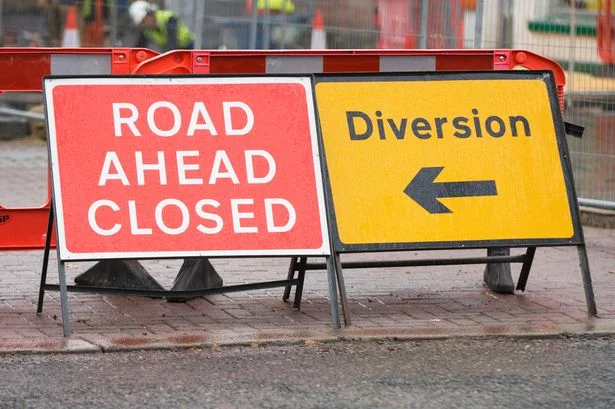
Overnight M25 Closures Create Traffic Chaos Amid UK Heatwave
Drivers in south-east London and Kent are facing a week of severe disruption as overnight closures on the M25, scheduled from Monday 22 to Friday 26 June 2026, coincide with a record-breaking heatwave that has pushed temperatures toward 40°C. Between 10pm and 5.30am each night, multiple sections of the orbital motorway around Dartford will be shut for maintenance and improvement works, forcing motorists onto diversion routes and adding significant time to journeys.
The closures affect both clockwise and anti-clockwise carriageways across numerous junctions. On Monday, for instance, the anti-clockwise route was shut between junctions 9 and 8 and between junctions 27 and 25, while clockwise closures hit junctions 2 to 3 and junctions 10 to 11. Additional slip road and link road closures compounded the disruption. National Highways has advised drivers to allow extra time and to follow signed diversions, but the scale of the works—repeated across the whole week—means that even regular commuters who avoid the overnight slots may still face knock-on delays from residual congestion.
Critical Junctions Affected
The most frequently closed sections include junctions 9 to 8 anti-clockwise, junctions 27 to 25 anti-clockwise, and junctions 2 to 3 clockwise, all of which are scheduled for closure on multiple nights. On Wednesday 24 June, the anti-clockwise carriageway between junctions 20 and 18 was also shut, adding to the burden on local roads. Drivers heading toward the Dartford Crossing—a vital link between Essex and Kent—face particular difficulty, as overnight closures at junctions 15 to 14 anti-clockwise include carriageway, link road, and slip road shutdowns.
Heatwave Compounds Travel Misery
While the M25 closures would be disruptive at any time, their impact is magnified by the extreme weather gripping southern England. The Met Office has issued a rare red heat warning, in force from 9am on Wednesday 24 June to 9pm on Thursday 25 June, covering an area from London to Swansea and Somerset to Birmingham. Temperatures are forecast to hit 39°C on Wednesday, with the possibility of reaching 40°C—which would break the UK's all-time June record. The UK Health Security Agency has issued only its second ever red heat-health alert, warning that even healthy individuals are at risk.
Schools Close and Trains Falter
The heatwave has already forced more than 850 schools to close or reduce hours, primarily in Bristol, Hampshire, Berkshire, Oxfordshire, Gloucestershire, Somerset, Dorset, and Wiltshire. Train services have also been heavily affected: 11% of services were cancelled or delayed on Tuesday, and disruption is expected to continue as rails buckle under extreme heat and overhead wires sag. This combination of roadworks and heat-related cancellations leaves many commuters with few alternatives, particularly those who rely on the M25 for late-night journeys home or for work shifts.
Dartford Tunnel Fire Adds to Delays
On Thursday 25 June, the situation worsened when a van fire in the Dartford Tunnel triggered a full evacuation and closure that lasted until around 6.30pm. Kent Fire and Rescue Service reported that five fire engines attended the incident, where a van was found to be heavily smoking due to an engine fault. Eyewitness accounts described around 50 cars trapped inside the tunnel, with a couple of hundred people forced to walk to safety. The family at the centre of the disruption reported being separated from their vehicle for 60 to 90 minutes.
Even after the tunnel reopened, long queues persisted for hours. The incident illustrates how quickly a single event can escalate on the M25, especially during rush hour when traffic volumes are already high. The combination of planned maintenance closures, record heat, and the tunnel fire has turned this week into one of the worst periods for travel in the region in recent memory.
Evacuation Highlights Infrastructure Vulnerability
The Dartford Tunnel fire evacuation was handled efficiently by emergency services, but it exposed the fragility of the infrastructure. With the tunnel just 0.8 miles long, the response required clearing people on foot before vehicles could be moved—a process that inherently takes time. For drivers stuck in the queue, the delay extended well beyond the immediate reopening, as traffic management systems struggled to absorb the backlog.
How Drivers Can Navigate the Disruption
National Highways has published detailed diversion routes for each closure, but the sheer number of affected junctions makes planning essential. For those who must travel through the area overnight, the advice is clear: allow significant extra time, check the latest traffic updates before setting off, and consider delaying non-essential journeys until after the works conclude on Friday morning.
Best Alternatives to the M25
For drivers heading between Kent and London, the A2 and A20 offer alternatives, though they are likely to become congested as displaced traffic seeks parallel routes. The Dartford Crossing itself remains open during the day, but overnight closures mean that anyone crossing the Thames between 10pm and 5.30am may need to use the Blackwall Tunnel or the Woolwich Ferry as backups. Public transport options are also limited by the heatwave, with trains running reduced timetables and the London Underground warning of potential delays.
Broader Implications: Infrastructure Under Strain
The convergence of planned maintenance and extreme weather raises questions about the resilience of the UK's road network. The M25 is one of Europe's busiest motorways, carrying over 200,000 vehicles per day in some sections. When works are scheduled—as they are for the Dartford area this week—the margin for error is tiny. A single unplanned event, like a tunnel fire, can ripple across the entire network for hours.
Climate Change and Infrastructure Planning
The record June heatwave is part of a broader trend. The UK has seen its average temperature rise by around 1.2°C since the pre-industrial period, and heatwaves are becoming more frequent and intense. Infrastructure designed for a cooler climate is struggling to cope: roads buckle, rails warp, and tunnels become smog chambers when ventilation systems work overtime. Transport planners must now factor in a new normal of extreme weather events when scheduling maintenance.
National Highways has defended the timing of the closures, noting that overnight works minimise disruption to the majority of traffic. However, the growing frequency of heatwaves means that even night-time roadworks may face challenges, as temperatures remain high well into the evening during summer heat spikes.
What This Week Means for Commuters and the Economy
For businesses in south-east London and Kent, the combined effect of road closures and heatwave is a productivity shock. Goods deliveries are delayed, staff cannot reach workplaces, and the cost of cancelled or rerouted journeys adds up. The retail and hospitality sectors, already preparing for post-World Cup trade—following matches like Czechia vs Mexico and England's draw against Ghana—face lost revenue as diners and shoppers stay home.
Long-Term Considerations
The week's events also underscore a larger challenge: the UK's infrastructure investment gap. The M25 requires constant upkeep, but the window for maintenance is narrowing as extreme weather events multiply. The Dartford Crossing, which handles more traffic than any other Thames crossing, is particularly vulnerable. Proposals for a lower Thames crossing—designed to relieve pressure on the Dartford tunnels—have been debated for years but remain unbuilt.
For now, drivers must endure a week of disruption that is testing patience and resilience. The advice remains the same: plan ahead, stay hydrated in the heat, and expect the unexpected. The M25 will eventually return to normal, but the broader lessons about infrastructure and climate adaptation will take far longer to address.
Comments