
Ottawa Blanketed by Wildfire Smoke as Temperatures Climb
As of July 14, 2026, Ottawa is grappling with a dual environmental crisis: a lingering blanket of wildfire smoke from raging forest fires in northern Quebec and an intense heat wave pushing temperatures toward 36°C. Environment Canada has issued a yellow-level air quality warning—the second-highest alert on its scale—for the capital region, urging residents to minimize time outdoors and reschedule outdoor events. The Air Quality Health Index (AQHI) registered at a level five, or 'moderate risk,' on the morning of July 12, with forecasts predicting it would drop to a low-risk level three by evening and into Monday.
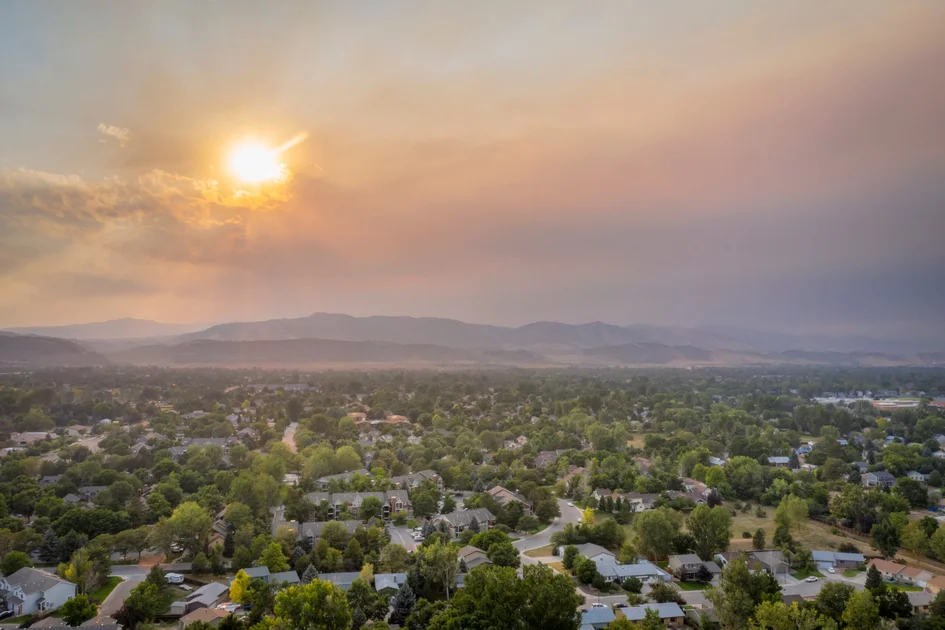
The smoke, originating from a series of out-of-control fires in Quebec’s boreal forest, has reduced visibility and created a hazy skyline over the region. The warning points to “mild and common symptoms” like eye, nose, and throat irritation, headaches, and mild coughs. However, it also notes the risk of more severe effects—wheezing, chest pain, and severe cough—particularly for vulnerable groups: people aged 65 and older, pregnant individuals, infants, young children, and those with pre-existing health conditions. Authorities recommend wearing NIOSH-certified N95 masks for anyone who must venture outdoors.
The timing is particularly challenging, as the city is also under a heat warning from Monday through Wednesday evening. Tuesday is expected to be the peak, with humidex values making it feel between 38 and 45°C. This combination of poor air quality and extreme heat compounds health risks, creating a volatile situation for residents and emergency services alike.
The Stakes: Why This Warning Matters Now
The convergence of wildfire smoke and extreme heat is not just an inconvenience—it is a public health emergency that strains hospitals, disrupts daily life, and disproportionately affects the most vulnerable. According to Environment Canada, even healthy individuals can succumb to heat-related illnesses without proper precautions, and the added respiratory stress from smoke amplifies those dangers. The agency’s guidance for Ottawa includes rescheduling outdoor events, spending more time indoors, and staying hydrated—steps that become harder as temperatures soar.
This situation follows a series of environmental blows to the region. Just weeks ago, on Canada Day, an unprecedented storm flooded an estimated 5,800 basements across Ottawa, leaving residents exhausted and frustrated during cleanup efforts. Now, the city faces a different threat: smoke so thick that it has triggered warnings on both sides of the Gatineau River. The Quebec fires remain active over the weekend, with maps from SOPFEU (Quebec’s forest fire protection agency) showing numerous uncontrolled blazes. The smoke is expected to linger through the weekend and into the following week, though conditions may improve slightly by Monday.
The heat wave itself is historic. On Sunday, northwestern Ontario recorded the hottest temperatures in 90 years, with Armstrong reaching 40.7°C—the highest in the province since the Dust Bowl era of 1936. While Ottawa’s temperatures (a forecasted high of 36°C on Tuesday) will not break those records, the humidex values could still push past 40°C, creating dangerous conditions for outdoor workers, festivalgoers, and the unhoused. Bluesfest at LeBreton Flats was already handing out water on Sunday as temperatures climbed, a sign of the strain on public events.
“This is a serious public health matter,” says a CTV News report. “Smoke from the fires will cause poor air quality and reduced visibility. People are advised to consider reducing their outdoor activities.” The warnings are clear: stay inside, keep windows closed, and use air purifiers if available. For those who must go out, an N95 mask is essential—not just for smoke particles but also for the heat, which can exacerbate breathing difficulties.
The Heat Factor: A Record-Breaking Week in Ontario
While the smoke grabs headlines, the heat wave is equally dangerous. Environment Canada issued a yellow heat warning for Ottawa on Sunday afternoon, effective Monday through Wednesday evening and possibly Thursday. Tuesday is projected to be the peak, with maximum temperatures near 36°C and humidex values of 38 to 45. Overnight lows will offer little relief, staying between 20°C and 23°C.
This heat event is part of a broader pattern across the province. The Weather Network reports that Ontario is experiencing its hottest temperatures in 90 years, with northwestern Ontario setting records. For example, Atikokan broke its all-time July temperature record on Monday at 38.2°C, and Thunder Bay saw its hottest July day ever at 39.5°C. In Toronto, forecasts suggest highs between 37°C and 40°C, potentially marking the city’s hottest day since records began in 1937. If Toronto hits 37°C, it would surpass the 36°C recorded on July 1. The city’s all-time record is 38.3°C, set in 1948.
For Ottawa, the heat means more than discomfort. The city’s infrastructure, already stressed by the Canada Day storm, faces new challenges. Power grids could be strained by increased air conditioning use, and the risk of thunderstorms—a 30% chance on Monday—adds another layer of unpredictability. Gusty winds, up to 50 km/h, could also spread the smoke further or fan the flames in Quebec.
The heat index, or humidex, is a critical factor. As explained in this article on the heat index, the combination of temperature and humidity can make the air feel far hotter than it is, increasing the risk of heatstroke and dehydration. Coupled with smoke, this creates a dangerous cocktail for anyone with respiratory or cardiovascular issues.
Broader Implications: What This Double Blow Means for the Future
The simultaneous occurrence of wildfire smoke and extreme heat in Ottawa is a stark reminder of the accelerating impacts of climate change. As seen in the global heatwave crisis affecting 100 million people across the US and UK, extreme weather events are becoming more frequent and intense. The Quebec fires, which have forced evacuations in northern Cree communities, are part of a worrying trend: longer fire seasons, drier forests, and more unpredictable weather patterns.
For urban centers like Ottawa, this means rethinking emergency preparedness. The city is not accustomed to prolonged smoke events—historically, wildfire smoke has been a west coast concern. Now, eastern Canada is increasingly vulnerable. The 2023 wildfire season saw record-breaking fires in Quebec that sent smoke drifting as far as New York City, and this year’s fires show no sign of abating. The current blazes, combined with the heat, are a test of the city’s resilience.
Public health systems may face new pressures. Emergency rooms could see an uptick in patients with asthma attacks, heat exhaustion, or heart problems. Vulnerable populations—the elderly, children, outdoor workers, and those with chronic illnesses—need targeted support. Environment Canada’s warnings emphasize that people 65 and older, pregnant people, and those with pre-existing conditions are at higher risk. Yet, many in these groups may not have access to air conditioning or clean indoor air, especially in low-income households.
The economic impact is also significant. Outdoor events like Bluesfest and Canada Day celebrations are being affected. Businesses reliant on outdoor dining or tourism could see reduced foot traffic. The storm on Canada Day already caused millions in damages; now, the combination of heat and smoke may further depress local commerce. Construction workers, delivery drivers, and farmers face the dilemma of working in hazardous conditions or losing income.
Looking ahead, the week’s forecast offers a glimmer of relief: by Monday, the air quality index is expected to drop to low risk, and clouds and possible showers may help clear the smoke. However, the heat will persist, and the underlying factors—forest fire activity and global temperature rise—remain. As the world warms, cities like Ottawa must invest in early warning systems, green infrastructure, and social safety nets to protect their residents.
What Residents Need to Do Now
For those in the Ottawa area, the immediate advice is straightforward: stay indoors as much as possible, keep windows and doors closed, and use air purifiers or HVAC systems with high-efficiency filters. If you must go outside, wear an N95 mask and limit exposure time. Stay hydrated, avoid strenuous activity, and check on elderly neighbors or relatives. For children, especially those with asthma, keep them inside and monitor for symptoms like coughing or difficulty breathing.
Environment Canada also advises that the heat warning remains in effect until at least Wednesday evening. Plan cooling strategies—visit public cooling centers, libraries, or shopping malls if your home lacks air conditioning. Never leave people or pets in parked vehicles, even for a few minutes. The humidex values can make extreme heat feel even more oppressive.
As the city navigates this dual crisis, the long-term lesson is clear: extreme weather events are no longer rare occurrences. They are the new normal. For a deeper understanding of how such conditions affect public health, readers can explore this analysis of the heat index and its dangers. The air in Ottawa may clear by Monday, but the underlying trend demands sustained attention from policymakers, residents, and scientists alike.
Comments