
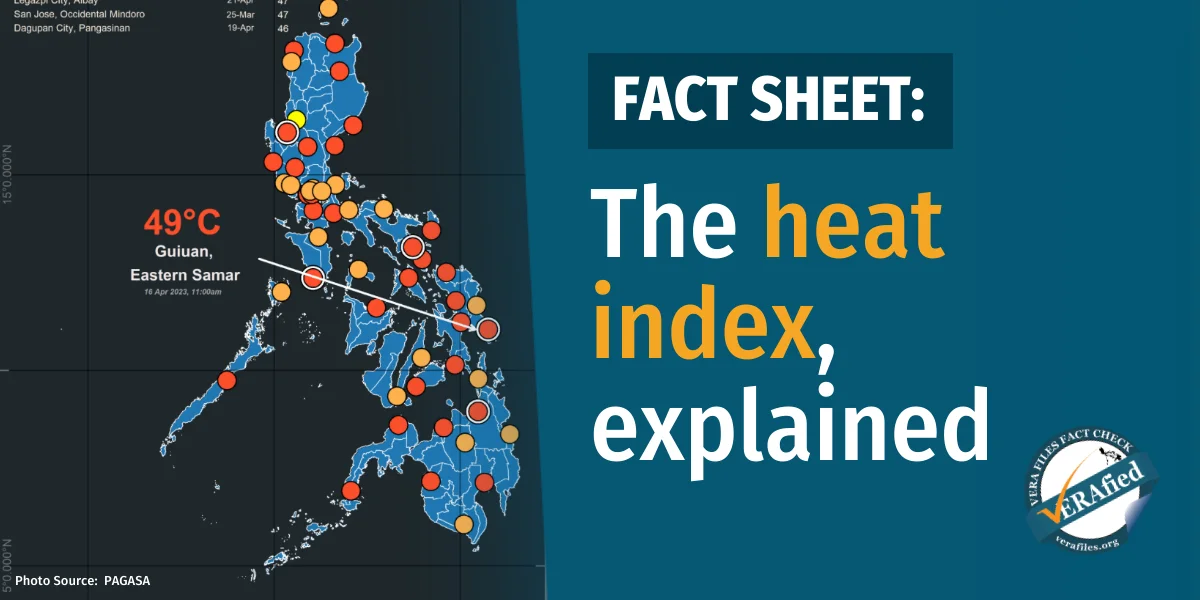
Introduction: Heat Index in the Spotlight as Dangerous Heat Wave Grips the US
As a relentless heat wave expands across the United States, forecasters are emphasizing a metric that goes beyond the thermometer reading: the heat index. On July 14, 2026, more than 100 million Americans from Los Angeles to Boston are under heat alerts, with the National Weather Service warning that heat index values could climb as high as 104°F in parts of the Northeast and Midwest.
In Berks County, Pennsylvania, a Heat Advisory is in effect from 10 a.m. to 8 p.m. Wednesday, with forecasters projecting heat index values up to 104°F. Similarly, Chicago is under an AccuWeather Alert through Wednesday, where heat index values around 100°F are expected away from Lake Michigan. The city has opened cooling centers at community service centers, libraries, and police stations. Across the northern Plains, extreme heat warnings cover areas from Utah to Michigan’s Upper Peninsula, with heat index values potentially reaching 110°F in Fargo, North Dakota.
The widespread emphasis on heat index—rather than just air temperature—reflects a growing recognition that humidity can make hot weather far more dangerous for human health. Understanding what the heat index is, and why it matters, can help people take appropriate precautions.
What Is the Heat Index? A Simple Explanation
The heat index, often called the “feels-like” temperature, is a measure of how hot it actually feels when relative humidity is combined with the actual air temperature. In simple terms, it tells you how uncomfortable your body is likely to be outdoors.
When humidity is high, sweat evaporates more slowly. Because evaporation is the body’s primary cooling mechanism, high humidity reduces the body’s ability to cool down, making the air feel hotter than it is. For example, when the air temperature is 95°F and the relative humidity is 60%, the heat index can climb to around 110°F.
The National Weather Service calculates the heat index using a complex formula that accounts for temperature and humidity, but it can be approximated using a simple reference chart. The index applies only to shaded areas; exposure to direct sunlight can increase the heat index by up to 15°F.
How the Heat Index Differs from Air Temperature
Air temperature is a straightforward measurement of the ambient thermal energy in the atmosphere. But the heat index incorporates humidity to reflect the human experience of that heat. This is why two days with the same high temperature can feel dramatically different: a dry 100°F day in Arizona may feel less oppressive than a humid 90°F day in the Midwest.
Key Danger Zones
When the heat index exceeds 103°F, the National Weather Service considers conditions “dangerous,” as heat cramps and heat exhaustion become likely. Prolonged exposure or physical activity can lead to heat stroke. A heat index above 125°F is labeled “extremely dangerous” and is rare in the United States, but such levels have been recorded in regions like the Persian Gulf.
Why This Heat Wave Makes Understanding the Heat Index Critical
The current heat wave is breaking records across the West and is expected to persist for days. Salt Lake City hit 109°F on Sunday, breaking its all-time record. Billings, Montana, reached 111°F. Minneapolis is under an extreme heat warning through Thursday with heat index values up to 100°F possible. In the Northeast, New York City, Philadelphia, and Washington, D.C. are entering a heat wave with three or more days above 90°F, and heat indices around 100°F.
Heat-related illnesses disproportionately affect older adults, young children, people who work outdoors, and those without access to air conditioning. During a heat advisory—when heat index values are forecast to reach 100°F to 105°F for two or more hours—residents are advised to drink plenty of fluids, stay in air-conditioned rooms, limit outdoor activity, and check on vulnerable neighbors.
The Chicago Office of Emergency Management and Communications has opened cooling centers and encourages residents to call 311 for well-being checks. The National Weather Service also warns never to leave children or pets in parked vehicles, even with windows cracked, as interior temperatures can rise rapidly to dangerous levels.
The Role of the Heat Dome
A “heat dome” parked over the Northern Plains is trapping hot air under a ridge of high pressure, compressing and warming it further. This pattern is responsible for the extreme heat index values from Montana to Michigan. As the heat dome shifts eastward, the risk expands into the Midwest and Northeast. Millions Under Threat as Historic Heat Wave Scorches Rockies, Plains and East highlights the regional scope of this ongoing event.
Broader Implications: Heat Index in a Warming Climate
Heat waves are becoming more frequent, intense, and longer-lasting due to climate change. Rising global average temperatures mean that the baseline for summer heat is shifting upward, while humidity levels in many regions are also increasing. This combination directly raises the heat index, making extreme heat events more dangerous even if the air temperature alone does not set records.
Public health systems are adapting by shifting the focus of heat warnings from air temperature to heat index. Many cities now use heat index thresholds to trigger emergency responses like opening cooling centers or activating extreme heat plans. The city of Chicago, for example, opens cooling centers when temperatures reach 90°F, but officials also monitor heat index values to issue more precise warnings.
The National Weather Service is evaluating updates to its heat advisory criteria, including lowering the heat index threshold for some regions based on local vulnerability. Meanwhile, Global Heatwave Crisis: 100 Million Face Record Temperatures Across US and UK shows that the US is not alone—similar heat events are affecting the UK and other parts of the world.
Understanding the heat index is more than a weather curiosity. It is a practical tool that can save lives. When you see a forecast of 95°F with high humidity, recognizing that the heat index could be 105°F or higher can prompt you to take action earlier. As this heat wave unfolds across the country, paying attention to the heat index rather than just the temperature on the thermometer could make the difference between a safe summer day and a medical emergency.
Comments