
US Strikes in Southern Iran Escalate Tensions During Ceasefire
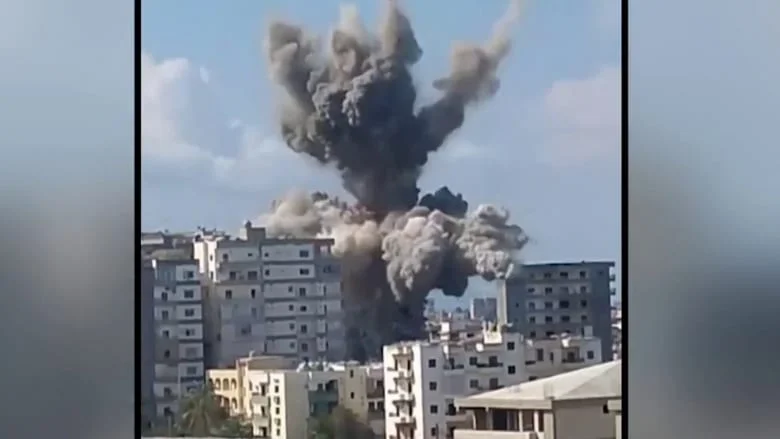
The United States military carried out new strikes in southern Iran on Wednesday, targeting a military ground control station and shooting down four Iranian one-way attack drones near the strategic Strait of Hormuz, according to a U.S. official who spoke to Reuters on condition of anonymity. The strikes, which occurred overnight, mark the third round of American military action against Iranian forces in less than a week, further straining a fragile ceasefire that has been in place since early April.
U.S. Central Command (Centcom) described the operations as "measured, purely defensive" and intended to maintain the truce. The targeted site near the port city of Bandar Abbas was reportedly preparing to launch a fifth drone when it was struck. The official emphasized that the actions were designed to protect American troops from threats posed by Iranian forces operating in the region.
Iran Condemns 'Clear Violation' of Ceasefire
Iran's Foreign Affairs Ministry swiftly condemned the strikes as "a clear violation of the ceasefire" and warned that Tehran would "leave no act of aggression unanswered." The Islamic Revolutionary Guard Corps (IRGC) has vowed to "respond decisively to any violation of the ceasefire," raising fears of a broader escalation. Iranian state media reported that local officials in Bandar Abbas were investigating after explosions were heard in the area.
Stakes High as Peace Talks Hang in the Balance
The latest military action comes at a critical juncture in U.S.-Iran relations. The war, which began on February 28 with coordinated U.S. and Israeli strikes, has killed thousands and sent global energy prices soaring. A temporary ceasefire went into effect on April 8, offering a glimmer of hope for a negotiated end to hostilities.
Secretary of State Marco Rubio, speaking from India, has suggested that a peace deal could be finalized in "a couple of days," noting that negotiators were down to "disagreements over a word, a sentence." However, Iran has been more guarded about progress, and the recent strikes have severely undermined trust. Tehran accused Washington of demonstrating "bad faith and unreliability" by carrying out "aggressive actions" while negotiations were ongoing.
The U.S. military maintains that the strikes were defensive responses to Iranian provocations, including missile launches and small boat operations near the Strait of Hormuz. Two U.S. officials told NBC News that the IRGC had launched multiple surface-to-air missiles and deployed drones and boats capable of laying mines, threatening American aircraft and ships.
Broader Implications for Regional Stability
The repeated strikes highlight the deep volatility in a region already scarred by conflict. The Strait of Hormuz, a vital chokepoint for global oil shipments, has become a flashpoint. President Donald Trump dismissed reports that Iran and Oman would jointly manage shipping through the strait as part of a peace deal, insisting the waterway would remain open.
Meanwhile, the U.S. military's campaign extends beyond Iran. In a separate incident, Southern Command launched a strike on an alleged drug-trafficking vessel in the eastern Pacific, killing one person. That operation is part of a broader campaign that has resulted in nearly 200 deaths since September, drawing criticism from lawmakers and human rights groups.
The Pentagon watchdog has launched a review into whether the military followed established targeting procedures in those strikes, though it will not investigate their legality. The Trump administration argues the U.S. is at war with Latin American drug cartels, which it blames for the overdose crisis at home.
What the Escalation Changes for Diplomacy and Security
The fresh strikes fundamentally complicate the path to peace. Each military action erodes the trust needed for meaningful negotiations and risks pushing Iran toward a more aggressive posture. The IRGC's warning of a "decisive response" could trigger a cycle of retaliation, drawing the region deeper into conflict.
The situation also tests the durability of the U.S.-Israel alliance, which jointly launched the initial war. Israel has not commented on the latest strikes, but the coordination between the two allies remains a key factor in the conflict's trajectory.
For global markets, the stakes are immense. The Strait of Hormuz carries about a fifth of the world's oil supply, and any disruption could send energy prices skyrocketing. The Trump administration's hardline stance, combined with Iran's determination to defend its sovereignty, leaves little room for error.
As negotiators continue to meet—including Iran's top negotiator and Qatar's prime minister—the question remains whether diplomacy can outpace the momentum of military escalation. The world is watching closely, and the coming days will determine whether the ceasefire holds or collapses into full-scale war.
For more on how domestic politics intersect with foreign policy, read about Trump delays AI executive order as states drive regulation forward.
Comments