
Sharks and Sea Snakes Arrive with Super El Niño
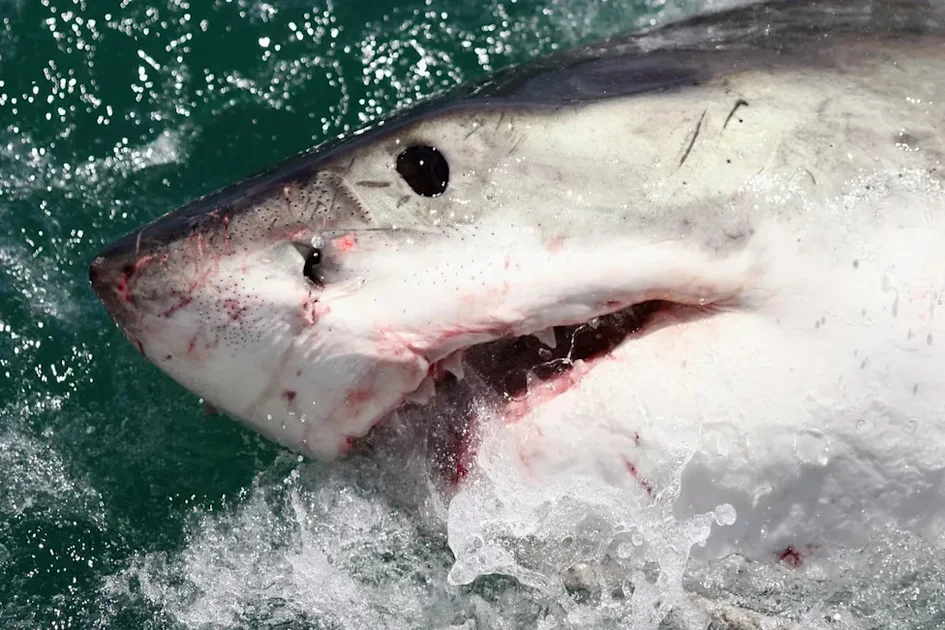
California's coastline is experiencing a dramatic shift in marine life this summer as a powerful El Niño event warms Pacific waters to unprecedented levels. Great white sharks are appearing in greater numbers, and venomous yellow-bellied sea snakes—rarely seen this far north—have been spotted along the coast. Scientists say these are just the first signs of a "whole different ocean" taking shape off the US West Coast.
According to researchers interviewed by USA Today, the warmer-than-normal waters are drawing tropical species into California's nearshore habitats. "We expect to see all kinds of weird tropical things come up with this warm water," said Douglas McCauley, director of the Benioff Ocean Initiative at the University of California, Santa Barbara. Already, juvenile white sharks are arriving earlier than usual, and mahi mahi and bluefin tuna are showing up in places where they are rarely seen.
The phenomenon is linked to a forecast "super" El Niño—an exceptionally strong climate event that some models predict could rival the historic episodes of 1982-83, 1997-98, and 2015-16. The National Oceanic and Atmospheric Administration (NOAA) reports an 81% chance of a "very strong" El Niño developing through the remainder of 2026. For California, that means ocean temperatures are expected to remain abnormally high, disrupting the usual cold-water upwelling that supports the region's iconic kelp forests and fisheries.
Why Warmer Waters Bring Sharks Closer to Shore
The surge in shark activity is not random. Great white sharks, also known as white sharks, normally migrate between feeding grounds, but they are highly sensitive to water temperature. When the ocean warms, their prey—such as seals, sea lions, and fish—shift their distributions, and the sharks follow. Strong El Niño conditions can suppress the upwelling of cold, nutrient-rich water along the California coast, forcing animals to move closer to shore in search of food.
Chris Lowe, a professor of marine biology and director of the Shark Lab at Long Beach State University, explained to Yahoo News that El Niño can create "a whole different ocean" where the usual rules no longer apply. "We are seeing a lot of animal movement," said Nate Jaros, vice president of animal care at the Aquarium of the Pacific. Juvenile sharks are turning up early, and researchers have documented an increase in encounters with humans, including a hammerhead shark bite near Santa Monica during the 2015-2016 El Niño event.
While the risk of a shark attack remains extremely low, scientists warn that more sharks in nearshore waters increases the potential for human-shark interactions. This is especially true for species like bull sharks, which can tolerate lower salinity and are known to enter estuaries and rivers. Studies have already shown bull sharks moving northward along the US East Coast, and similar range expansions are being observed in the Pacific.
The Venomous Visitor: Yellow-Bellied Sea Snake
Among the most striking arrivals is the yellow-bellied sea snake, a highly venomous species typically found in tropical waters. These snakes, which can deliver a bite that causes paralysis and death within hours without treatment, have been spotted along the California coast. The Australian Museum warns that their venom contains potent neurotoxins and myotoxins, and even a small dose can be lethal.
Douglas McCauley cautioned beachgoers not to handle these snakes if encountered. "Some of these kinds of interesting oddities that are never a part of California will become part of this temporarily tropical El Niño-heated California," he said. The last notable appearance of yellow-bellied sea snakes in California occurred during a strong El Niño in the 1980s, and their return is a clear indicator of how dramatically ocean temperatures have risen.
Record Ocean Heat and a 'Sharky Summer'
Scientists are already calling this a "sharky summer" off the California coast. The intensification of El Niño comes on top of a marine heat wave that began earlier this year, pushing ocean temperatures to record highs. The global ocean surface temperature hit a new all-time high in mid-2026, according to NOAA data, and the eastern Pacific is experiencing some of the largest anomalies.
Brett McBride, a researcher with Ocearch, said that white sharks are being tracked moving unusually far north. The organization recently identified "Contender," the largest tagged male great white in the Atlantic, swimming off Nova Scotia—a sign that warming waters are expanding shark habitats. While Contender is in the Atlantic, similar northward movements are being documented in the Pacific. "We are seeing evidence of a northward movement because of the warming waters," said Shannon Barry, a researcher at the Florida Institute of Technology. "Bull sharks are definitely going to be more near shore."
For California, this means that encounters with juvenile white sharks, which often congregate near popular beaches like Santa Monica and Malibu, are likely to increase. Researchers from the Shark Lab at Long Beach State are using drones to monitor shark activity and provide real-time information to lifeguards and the public.
El Niño's Broader Impact on Marine Ecosystems
El Niño's effects extend far beyond sharks and sea snakes. Strong El Niño events have been linked to starvation of sea lions in Peru, changes in sea turtle behavior in the Caribbean, and shifts in fish populations worldwide. In California, the warming water suppresses the cold, nutrient-rich currents that sustain the base of the marine food web, causing cascading effects up the chain.
Zooplankton, small fish, and other prey become scarce, forcing larger predators to travel farther or move closer to shore. This disruption can lead to changes in breeding success for seabirds and marine mammals, and it can alter the composition of kelp forest ecosystems. "We get this whole different ocean," said Chris Lowe.
Fishermen are also seeing changes. Mahi mahi (dolphinfish) and bluefin tuna are being caught in waters where they were previously rare, which some local anglers welcome. But the influx of tropical species can also harm native species, as new predators compete for food and habitat.
Preparing for a New Normal
As climate change continues to warm the planet, scientists expect that strong El Niño events will become more frequent and intense. This means the "tropicalization" of California's coast could become a recurring phenomenon, not just a one-off event. Public safety agencies are already adapting. The Aquarium of the Pacific is educating visitors about the yellow-bellied sea snake and other unusual visitors, while the Shark Lab is expanding its drone surveillance program to cover more beaches.
Beachgoers are advised to stay informed about shark sightings, avoid swimming at dawn or dusk, and heed lifeguard warnings. For any sea snake sightings, the advice is simple: keep a safe distance, do not touch, and report to local authorities.
Researchers like Douglas McCauley stress that while the presence of these species may be alarming, it is also a powerful reminder of the ocean's dynamic nature. "It's fascinating to see how the ocean responds to these changes," he said. "But it also underscores the urgency of addressing climate change, because the ocean is feeling it now."
A Look Ahead: What a Super El Niño Means for the Winter
The current El Niño is forecast to peak in late 2026, and its influence will be felt well into winter. For California, that typically means wetter conditions, with above-normal precipitation starting in the fall. NOAA's Climate Prediction Center predicts the highest chances of above-average rainfall across the southern US, including California, which could help alleviate drought conditions but may also increase the risk of flooding and mudslides.
Meanwhile, ocean temperatures are expected to remain elevated for months, sustaining the unusual marine life. The combination of warmth and increased storm activity could also bring more tropical species northward, including sharks that typically reside in Mexican or Central American waters.
For now, the sight of a great white shark fin slicing through the surf off a Southern California beach is becoming less of a rarity. Researchers are closely monitoring these trends, and they urge the public to report sightings to help build a clearer picture of how El Niño is reshaping the region's marine life.
As the ocean warms, the shoreline is changing in ways that are both fascinating and concerning. For those who love the sea, this summer offers a glimpse of a possible future—where tropical visitors become regulars, and where the ocean off California feels less like the cold Pacific and more like a subtropical paradise. But with that shift come new risks, and scientists are working to ensure that humans and wildlife can coexist safely.
For more on how climate-related events are affecting communities, read about the UK Cyclospora Outbreak linked to warming conditions. And for another example of extreme weather impacts, see the Logan Fire Rages in Utah and BC, a reminder of the far-reaching consequences of a warming planet.
Comments