
Driver Banned After Unsecured Load Smashes Police Car Windscreen on A120
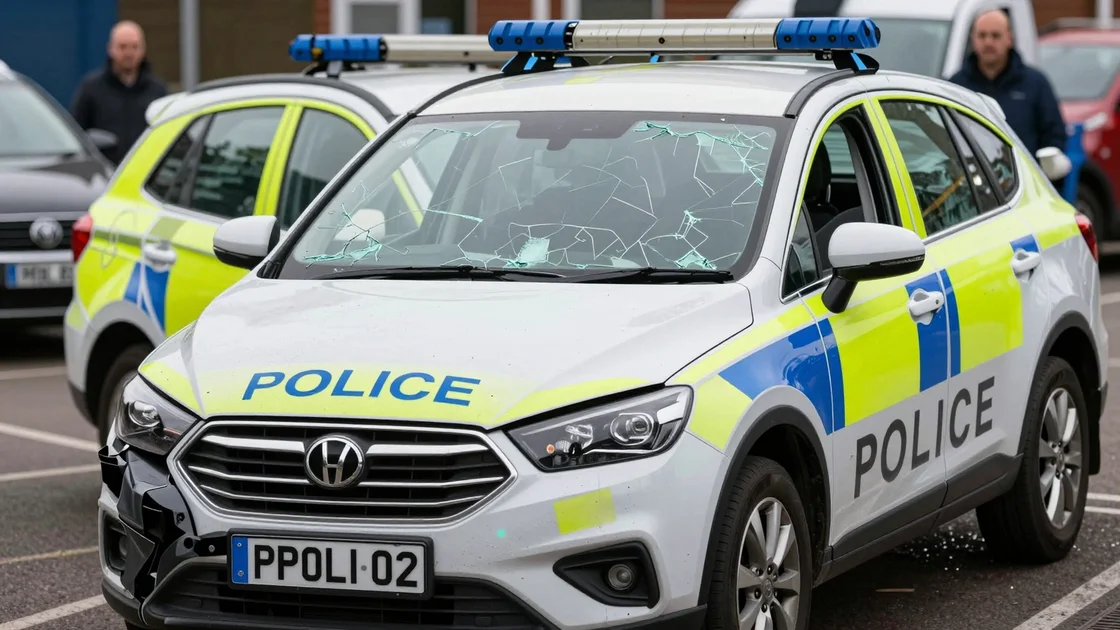
A driver has been disqualified from driving for six months after an unsecured object flew from the roof of his car and shattered the windscreen of an oncoming police vehicle in Essex, showering two officers with glass.
Glenn Lillie, 34, of Braintree, was travelling westbound on the A120 near Little Canfield on 19 December 2025 when a large item detached from his white Audi, cleared the central barrier, and struck the marked patrol car on the opposite carriageway. The police car was responding to an emergency with blue lights and sirens activated at the time.
The impact shattered the windscreen and caused extensive damage to the armed response vehicle. The officer driving managed to bring the car to a controlled halt, averting what Essex Police described as potentially catastrophic consequences. The westbound carriageway was closed while emergency services cleared the debris and recovered the damaged vehicle.
Lillie failed to stop at the scene or report the collision, later claiming he believed it was unsafe to pull over. Essex Police traced him to his address using camera footage and forensic examination of the debris left on the carriageway.
Court Sentencing and Charges
Appearing at Colchester Magistrates' Court on 22 October 2026, Lillie was handed a six-month driving disqualification and a 12-month community order requiring 140 hours of unpaid work. He was also ordered to pay £244 in costs and surcharges. He had pleaded guilty on 6 August to three counts related to driving a vehicle involving a danger of injury, as well as two counts of failing to stop and failing to report an accident.
PC Simon Bailey of Essex Police said the collision could have proved fatal without the composure of the officer behind the wheel. "Every driver has a responsibility to make sure anything they carry is properly secured before starting a journey," he said. "This incident is a stark demonstration of how dangerous an insecure load can become."
Context: A Preventable Danger on High-Speed Roads
The case highlights a persistent road safety issue: unsecured loads falling from vehicles and causing collisions on Britain's high-speed road networks. The A120, which connects Stansted Airport to the east coast, is a busy trunk route where debris can quickly become a lethal projectile.
According to police, the item that fell from Lillie's Audi was never conclusively identified, although investigators recovered debris and examined footage showing the vehicle carrying a large, flat object on a roof rack before the incident. The damage to the police vehicle was so extensive that it remained out of service for several months.
Road safety campaigners have stressed that such incidents are preventable and called for greater awareness among drivers of their legal responsibilities. Under UK law, drivers must ensure any load is secured before setting off; failure to do so can result in prosecution and penalties.
Investigation and Forensic Work
Essex Police's investigation involved painstakingly piecing together evidence from recovered debris and camera footage to identify the driver and his vehicle. The force said the case demonstrates how forensic examination and surveillance can trace offenders even when they leave the scene.
The incident also forced the temporary closure of the westbound carriageway, causing significant delays for motorists. The officers involved were not seriously injured, but both were showered with glass fragments.
Perspective: Broader Implications for Road Safety
The sentencing sends a clear message that failing to secure loads is not a minor oversight but a serious offence with potentially devastating consequences. With high-speed roads carrying increasing volumes of traffic, the risk of debris-related collisions remains a concern for police and road safety organisations.
This case also underscores the importance of drivers stopping and reporting incidents, even if they believe it is unsafe to do so. Lillie's failure to stop added to the charges against him and contributed to the severity of his sentence.
As road networks become busier, authorities are likely to continue emphasising personal responsibility and enforcement. The outcome of this case may serve as a deterrent to others who neglect to secure their loads, reinforcing that a moment of carelessness can have life-changing repercussions.
The incident also highlights the dangers faced by emergency responders, who must often navigate hazardous conditions while attending incidents. The officer's skill in bringing the damaged vehicle to a controlled stop prevented what could have been a much more serious outcome, and police have praised his professionalism.
For now, Lillie's ban and community order bring the case to a close, but the broader conversation about road safety and load security is far from over.
Comments