
Trump Shifts to Tele-Rallies as Alaska Controversy Escalates
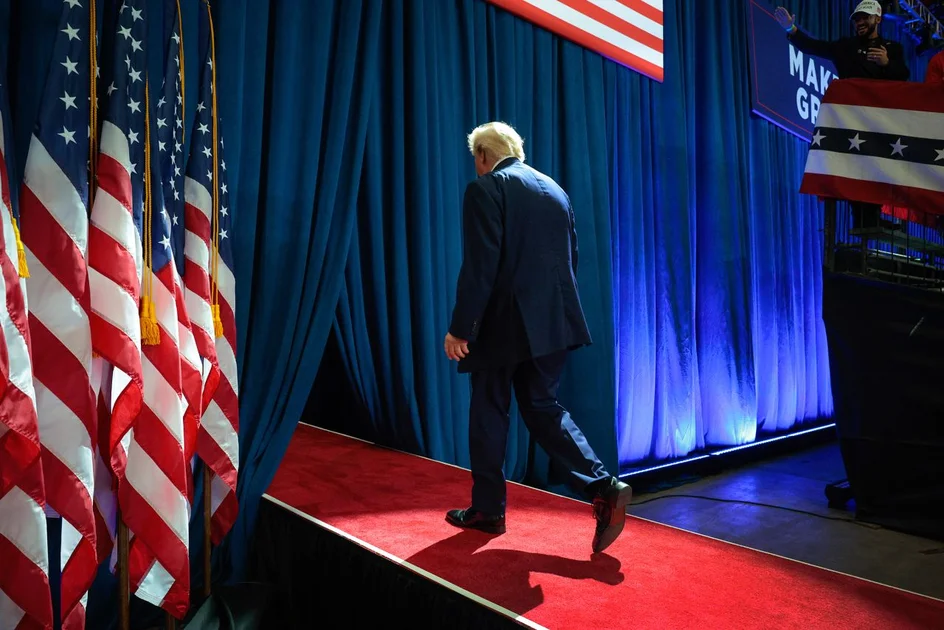
With less than five days until the November 3 midterm elections, President Donald Trump has abruptly canceled scheduled campaign rallies in Iowa and Kansas, opting instead for a series of virtual "tele-rallies" broadcast to nearly 20 states. The Republican National Committee confirmed the cancellations on Thursday, framing the move as a more efficient use of the president's time in the final stretch.
RNC Chairman Joe Gruters said the 72-hour virtual sprint would reach more voters than traditional stops, including in battlegrounds such as Michigan, Alaska, Texas and Iowa, where Senate races are tightening. Trump's Friday rally in Daytona Beach, Florida, will proceed as planned. The shift comes as Trump also called for the prosecution of Mary Peltola, the Democratic Senate nominee in Alaska, amid a growing controversy over her campaign's tactics.
Alaska Investigation Intensifies
Alaska's governor has ordered an investigation into Peltola's Senate campaign following reports that operatives aligned with her spent months recruiting third-party candidates to siphon votes from Republican incumbent Dan Sullivan. Trump said Peltola "should be prosecuted," escalating a dispute that has thrust the state's normally predictable Senate race into the national spotlight. The controversy adds to a volatile political environment in which traditionally Republican-leaning states have become competitive, driven partly by the president's sinking approval ratings.
Stakes High as Control of Congress Hangs in Balance
Republicans currently hold narrow majorities in both chambers: 53 seats in the Senate and 218 in the House. All 435 House seats are up for grabs, while only about a third of Senate seats are on the ballot. Whichever party wins control will shape Trump's legislative agenda in the final two years of his second term. The president has openly expressed concern that Democrats might push for a third impeachment if they win both majorities.
Democrats, meanwhile, are deploying their own heavy hitters. Former President Barack Obama campaigned in Georgia on Wednesday, attacking high costs driven by inflation and the war in Iran while supporting Senator Jon Ossoff and gubernatorial candidate Keisha Lance Bottoms. Former Vice President Kamala Harris is set to begin a three-day swing with Ossoff on Thursday. In Ohio, Trump rallied for Senator Jon Husted and gubernatorial candidate Vivek Ramaswamy, whose campaign has faced criticism over an attack ad.
Federal Intervention Fears Mount
The closing days are also marked by unprecedented federal involvement in election administration. The Justice Department plans to deploy around 1,000 election monitors across all 50 states—its largest ever—and has sued 30 states and the District of Columbia for voter registration lists in an effort to find non-citizens. It has lost more than two dozen of those cases. A federal judge on Wednesday rejected a request to set aside ballots from about 20,000 people in California suspected of being non-citizens, saying it would disrupt an election already underway.
State election officials are bracing for further intervention, fearing federal authorities could disrupt voting or challenge ballot counts. Trump has repeatedly questioned election integrity and urged his party to "nationalize" voting in at least 15 places. The White House says it is protecting election security.
A Shift in Campaign Strategy and National Mood
The pivot to tele-rallies reflects both the president's diminished appetite for large in-person events and a broader strategic calculation to maximize reach in the final hours. It also underscores the degree to which the midterms have become a nationalized referendum on Trump's second term. With his approval ratings under pressure, once-safe Republican seats have turned competitive, forcing the party to play defense in states like Alaska and Iowa.
Democrats have scaled back spending in some races, signaling confidence in candidates like Ossoff, while the governor's race in Georgia remains tight enough to raise the prospect of ticket-splitting. Across the country, voters are navigating a landscape shaped by inflation, foreign policy and intense disputes over election administration—a combination that could produce surprises on November 3.
As the campaigns enter their final weekend, the contrast between Trump's virtual strategy and the Democrats' on-the-ground push will be tested. The outcome will determine not only control of Congress but also the political terrain for the remainder of Trump's term—and the early maneuvering for 2028, which several Democrats are already quietly preparing for despite insisting their focus remains on the midterms.
Comments