
Sony Admits PS6 and Handheld Console Plans Are in Flux Amid Memory Crisis
Sony has publicly acknowledged that it has not finalized a release date or retail price for the PlayStation 6, casting doubt on widely circulated rumors that a next-generation console and an accompanying handheld device could arrive by 2027. The admission came during an investors' Q&A session following Sony’s annual corporate strategy and earnings call on May 11, 2026, where president and CEO Hiroki Totoki responded to direct questions about how the ongoing global memory crisis is shaping the company’s approach to its next major hardware launch.
Totoki, speaking through a translator, stated plainly that Sony has “not yet decided” on either the timing or the pricing of the PlayStation 6 launch. He explained that rising costs for memory components—driven by surging demand from artificial intelligence infrastructure, data center expansion, and broader tech industry competition—have increased the bill of materials to a point where the company must “think carefully” about availability and pricing for the next generation. While Sony has secured necessary materials and agreed on pricing for the remainder of 2026, Totoki warned that memory prices are expected to remain very high through the next financial year, creating a volatile environment for long-term planning.
This official uncertainty comes at a time when online speculation has been building around a potential 2027 launch window for the PS6, with some leaks suggesting Sony is developing both a home console and a portable handheld device designed to run PS4 and PS5 libraries natively. According to reports from tech outlets like TechEBlog, the dual-system strategy would mirror Microsoft’s rumored Project Helix hybrid console and aim for a simultaneous global release by the end of 2027. However, Sony’s latest financial briefing suggests that such timetables remain aspirational at best.
The Handheld Factor: A Portable PlayStation by 2027?
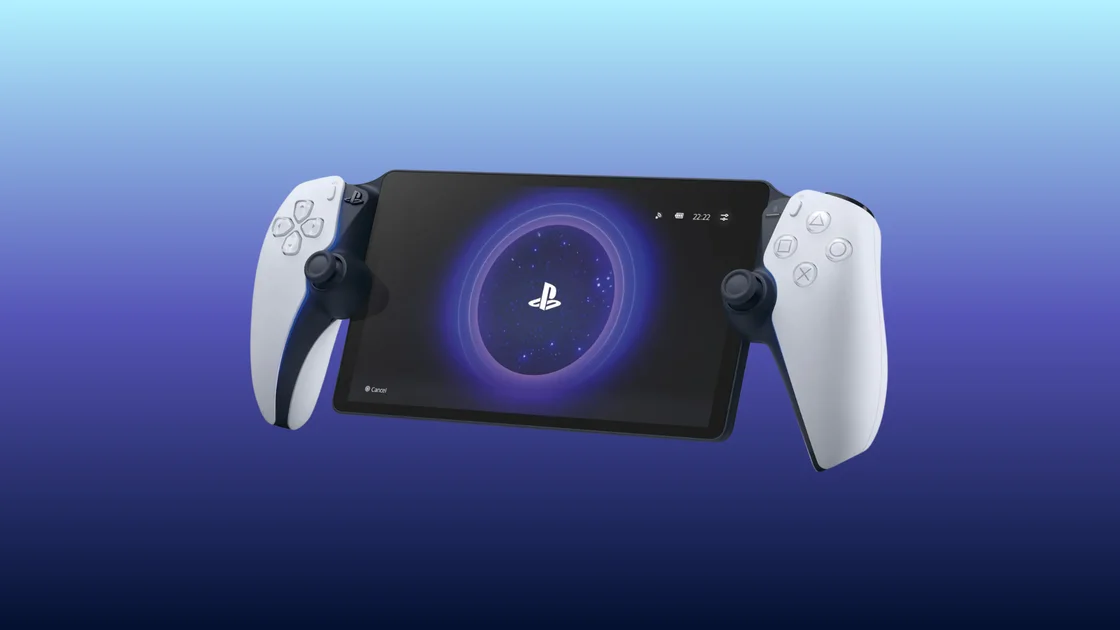
Among the most intriguing rumors to surface in recent weeks is the notion that Sony is working on a dedicated handheld gaming device to complement the PS6. Leaks describe a portable system with substantial memory, the ability to play discs on the home console model, and seamless backward compatibility with both PS4 and PS5 titles. The idea of a Sony handheld has rekindled memories of the PSP and PS Vita eras, though the company has not released a dedicated portable gaming device since discontinuing the Vita in 2019.
The reported handheld would be developed alongside the PS6 home console, with both systems sharing architecture to ensure games can be played across form factors. This approach would put Sony in direct competition with Nintendo’s Switch 2 and Microsoft’s rumored Project Helix, both of which blur the line between home and portable gaming. Yet Totoki’s remarks about component costs and supply chain pressures raise serious questions about whether Sony can realistically launch two new hardware SKUs—especially a portable device with its own display, battery, and cooling requirements—during a period of elevated manufacturing expenses.
Industry analysts note that a handheld console would require significant investment in custom chips, memory modules, and miniaturization, all of which are currently subject to price inflation and supply constraints. The memory crisis, in particular, has driven up costs for LPDDR5 and other high-bandwidth memory types essential for portable gaming performance. Sony’s hesitation to commit to a release date suggests that the handheld project, if it exists, may be vulnerable to delays or even cancellation if conditions do not improve.
Why the Memory Crisis Is Paralyzing Sony’s Next-Gen Roadmap
The memory crisis is not a problem unique to Sony. Across the technology industry, prices for DRAM and NAND flash have climbed steadily as demand from AI data centers, cloud computing, and consumer electronics outpaces production capacity. Memory manufacturers have shifted their focus to higher-margin products for servers and AI accelerators, leaving the gaming and PC sectors to compete for limited supply. This has led to shorter contract terms and less predictable pricing, making it difficult for console makers to lock in costs years in advance.
Sony’s Totoki highlighted that the cost of memory directly impacts the console’s bill of materials, which in turn affects the final retail price. If component costs remain high through 2027, Sony may face an uncomfortable choice: launch the PS6 at a price point that could alienate consumers, or delay the release in hopes of better market conditions. The company has already demonstrated its willingness to raise prices on existing hardware, having recently bumped the PS5 Pro to $900 and increased the cost of standard and digital PS5 models. Those moves were attributed to “continued pressures in the global economic landscape,” signaling that Sony expects the trend to persist.
Microsoft and Nintendo Face Similar Headwinds
Sony is not alone in navigating these choppy waters. Microsoft has acknowledged that its next-generation Project Helix console will also be affected by rising component costs, with reports suggesting the hybrid device could carry a higher price than originally anticipated. Nintendo, meanwhile, has already dealt with hardware price increases for the Switch 2, and its software lineup—including Metroid Prime 4 and a newly revealed Star Fox title—has been overshadowed by broader economic concerns. The entire gaming hardware industry is caught between consumer expectations for affordable next-gen devices and the reality of a supply chain that shows no signs of stabilizing soon.
Valve has also felt the pinch, with the Steam Machine and Steam Frame projects facing delays and pricing challenges. The company has refused to commit to a release date beyond the vague “2026” window, citing the same memory crisis that is hampering Sony and Microsoft. This collective uncertainty suggests that the next console generation may arrive later and cost more than previous transitions, potentially dampening the upgrade cycle that hardware manufacturers rely on.
The Strategic Dilemma: Extend PS5 Lifecycle or Gamble on PS6
Sony’s cautious stance reflects a broader strategic dilemma. The PS5 is still selling well, and the PS5 Pro launched in late 2024 gave the platform a mid-cycle boost. Extending the PS5’s lifecycle could allow Sony to wait out the worst of the memory crisis and launch the PS6 when component costs have normalized. However, delaying too long risks ceding momentum to Microsoft and Nintendo, especially if Project Helix or the Switch 2 capture consumer imagination with innovative hybrid designs.
There is also the question of pricing elasticity. Consumers who have already paid $900 for a PS5 Pro may balk at another high price tag for a PS6, especially if the economic outlook remains uncertain. Sony’s exploration of new business models—such as subscription-based gaming services and digital-only hardware—could be a hedge against the risk of a premium-priced console. By diversifying revenue streams, Sony may be able to offer a more affordable entry point through cloud gaming or subscription tiers, even if the physical console is expensive.
What This Means for Gamers and Investors
For gamers, the takeaway is clear: do not expect a firm PS6 announcement anytime soon. The 2027 handheld rumors should be treated with skepticism until Sony provides concrete details. Investors, meanwhile, will be watching to see whether Sony can navigate the memory crisis without sacrificing margins or market share. The company’s admission of uncertainty is rare for a firm that typically controls its hardware narrative tightly, and it suggests that the next generation may be the most challenging yet in terms of planning and execution.
In a surprising twist of events outside the tech world, even the upcoming 2027 Invictus Games—an event that usually commands global attention—has been overshadowed by economic and political news, underscoring how deeply the current climate is affecting all sectors.
Broader Implications: A New Era of Console Economics
The memory crisis is not a short-term blip. Analysts expect high prices and tight supply for memory components to persist through at least 2028, driven by the insatiable appetite of AI and data center construction. This has fundamental implications for the video game industry. Console manufacturers may need to rethink their traditional model of selling hardware at a loss and recouping through software sales, especially if the bill of materials keeps rising.
One possible outcome is a shift toward more powerful but more expensive consoles aimed at the premium segment, with lower-cost streaming or subscription options for mainstream consumers. Sony has already hinted at this direction, with Totoki mentioning that the company is exploring “various possibilities” for how to bring next-generation gaming to players. The handheld concept could fit into this strategy as a lower-cost companion device that relies on cloud streaming for high-end titles, though latency and bandwidth limitations remain barriers.
The Race for Hybrid Dominance Heats Up
If Sony does manage to release a handheld by 2027, it would enter a market already being reshaped by Nintendo and Microsoft. The Switch 2 has proven that consumers want flexibility in where and how they play, and Microsoft’s Project Helix is designed to unify console and PC gaming into a single hybrid experience. Sony’s potential handheld would need to offer something distinctive—perhaps seamless integration with the PS6 ecosystem, exclusive titles, or superior performance—to stand out.
Yet the memory crisis could give Sony an unexpected advantage. By delaying its handheld launch until component costs drop, the company could release a more polished product at a more attractive price. Alternatively, a first-mover advantage for Microsoft or Nintendo could lock in consumer loyalty before Sony even enters the race. The next few years will be decisive for the future of portable gaming, and Sony’s current uncertainty means it is playing catch-up even before the starting gun fires.
As the global economy continues to evolve, with Trump's net approval hitting a new second-term low amid deteriorating economic polls, the broader financial uncertainty only adds to the challenges facing hardware makers. Consumer confidence is fragile, and a $700+ console or a $500 handheld may face headwinds that previous generations did not.
Conclusion: A Critical Inflection Point for PlayStation
Sony’s admission that it has no firm plans for the PS6 release date or price is a stark reminder that even the most powerful companies are not immune to global macroeconomic forces. The memory crisis, AI-driven demand, and supply chain disruptions have converged to create a perfect storm that is delaying the next console generation and casting doubt on ambitious handheld projects.
For now, the PlayStation 6 remains a concept rather than a product. Whether it arrives in 2027 with a companion handheld, or later as a more traditional console, will depend on factors largely outside Sony’s control. The company’s ability to adapt—through new pricing strategies, subscription models, or hardware compromises—will determine whether it can maintain its leadership in the gaming industry through this turbulent period.
One thing is certain: the days of predictable console cycles are over. The next generation will be shaped by economics as much as by technology, and Sony’s next move will be watched closely by gamers, investors, and competitors alike.
Comments