
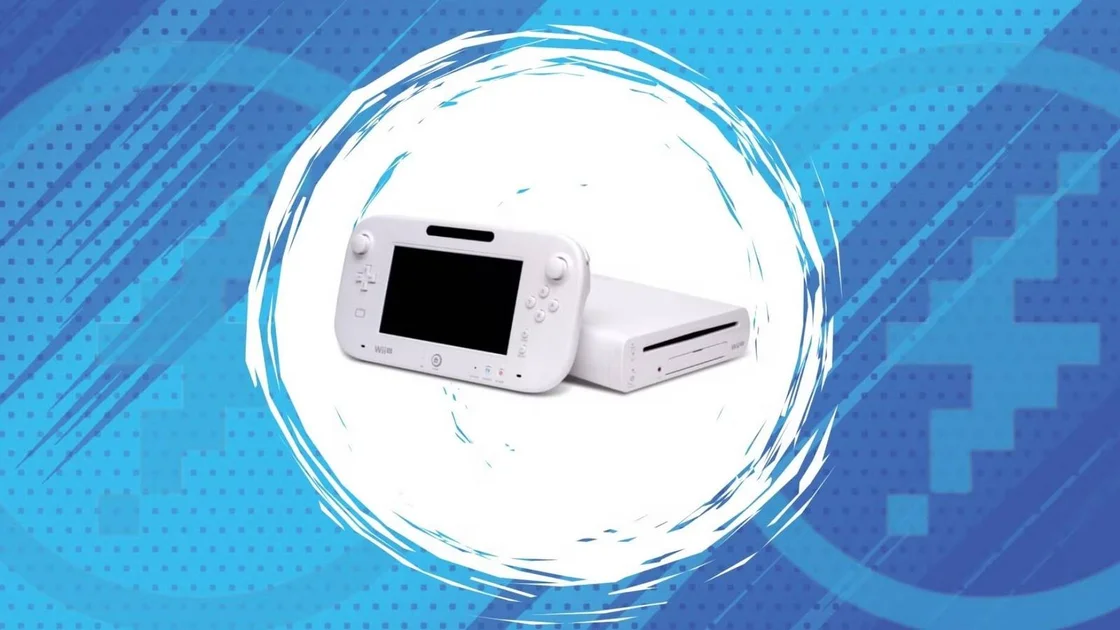
Nintendo Switch 2 Price Hike Fails to Soothe Investors as Share Price Drops 8%
Nintendo is facing a turbulent week as its share price fell 8% following the announcement of a global price increase for the Switch 2 console. The company has confirmed it has multiple unannounced first-party titles planned for the second half of the fiscal year, but investors remain unconvinced about the immediate lineup.
Price Hike and Market Reaction
On May 11, 2026, Nintendo confirmed it would raise the Switch 2's price globally, effective this month in Japan and September 1 in North America and Europe. In the U.S., the console jumps from $449.99 to $499.99, a $50 increase. Europe sees a €30 rise to €499.99, while Canada moves from $629.99 to $679.99. The company also raised prices on original Switch models in Japan by around ¥10,000.
President Shuntaro Furukawa acknowledged during an investor Q&A that the increase "does not fully account for all cost increases," citing rising memory costs, a weak yen, and higher crude oil prices driven by the AI boom. He apologized for the inconvenience but stressed that Nintendo could no longer absorb the rising expenses.
The market reacted swiftly. Nintendo's shares dropped 8% since the price rise announcement, hitting their lowest level since August 2024. The stock has fallen 34% since the start of the year. In contrast, Sony saw its share price leap 10% as investors rewarded its diversified business model.
Why Investors Are Spooked
The Absence of Blockbuster Titles
Investor concern centers on Nintendo's 2026 release calendar. While titles like Yoshi and the Mysterious Book, a new Splatoon, and a Star Fox refresh are confirmed, there is no new Mario, Zelda, or mainline Pokémon game on the horizon. The next major Pokémon entry isn't expected until 2027.
Furukawa attempted to calm fears by stating: "We are preparing a variety of new titles for Nintendo Switch 2, regardless of whether they are so-called major titles or not. We have new titles prepared for the second half of this fiscal year, in addition to those already announced, and we will provide details at the appropriate time."
This echoes a pattern seen across the industry. As development cycles lengthen, maintaining a steady cadence of major releases becomes increasingly difficult. Nintendo's strategy appears to be mixing smaller and larger games to deliver roughly one title per month, leveraging flexible pricing for projects like Splatoon Raiders and Star Fox.
Selling at a Loss for the First Time
Historically, Nintendo has avoided selling hardware at a loss, unlike Sony and Microsoft. However, the Switch 2 reportedly breaks this tradition. Furukawa confirmed the price hike still doesn't cover all production cost increases, suggesting Nintendo is absorbing some margin to keep the console accessible.
Despite selling 20 million Switch 2 units and 50 million games in its first nine months, the company has lowered its sales expectations for the next 12 months. Furukawa attributed this to a natural stabilization after the console's explosive launch, but investors interpret the move as a loss of momentum.
Broader Implications for Nintendo and the Industry
The Economics of Gaming Hardware
Nintendo's predicament highlights a broader industry challenge. Both Sony and Microsoft have raised console prices in recent years, with Sony implementing a $100 increase for the PS5 in March. The global memory crisis, partly fueled by AI demand, is squeezing margins across the board.
Unlike Sony, which has diverse revenue streams from music, film, and financial services, Nintendo remains predominantly a video games business. This makes its stock more sensitive to hardware pricing and software pipeline concerns. Furukawa acknowledged the barrier: "We understand that raising the price will raise the barrier to purchase to some extent. However, the most important thing is to provide engaging gameplay that offers value beyond the price."
The situation echoes challenges seen in other sectors. For example, Trump's net approval hitting a new second-term low demonstrates how quickly public and investor sentiment can shift when economic conditions change.
What's Next for Switch 2?
Nintendo's immediate challenge is to prove it can deliver a compelling software lineup that justifies the higher price. Furukawa's promise of unannounced games later this year is designed to buy time and rebuild investor confidence. The company is also focusing entirely on Switch 2 development, having shifted resources away from the original Switch.
The question remains whether a mix of mid-tier titles and a few surprises can maintain momentum until the next big franchise entry arrives. With Pokémon Pokopia already a hit and a new Luigi's Mansion rumored, Nintendo may be holding back some of its best cards. For now, the company is asking both players and shareholders to be patient.
As Furukawa put it: "We will work diligently to overcome this barrier."
Comments