
Google Unveils Fitbit Air: A Screenless Wearable for the AI Age
Google has officially launched the Fitbit Air, a minimalist, screenless fitness tracker priced at $99.99 that marks the company's first new Fitbit device in three years. Announced on May 7, 2026, the Air is designed to compete directly with wearables like Whoop by stripping away displays and focusing entirely on continuous health monitoring powered by Google's new AI-driven Health Coach.
Pre-orders are open now, with shipments expected later this month. The device comes in a lightweight pebble form factor—weighing just 12 grams with the band—and offers up to seven days of battery life. Google is positioning the Air as an affordable, unobtrusive entry point into its revamped health ecosystem, which now includes a rebranded Fitbit app called Google Health and a premium AI coaching tier.
A Return to Basics With a High-Tech Twist
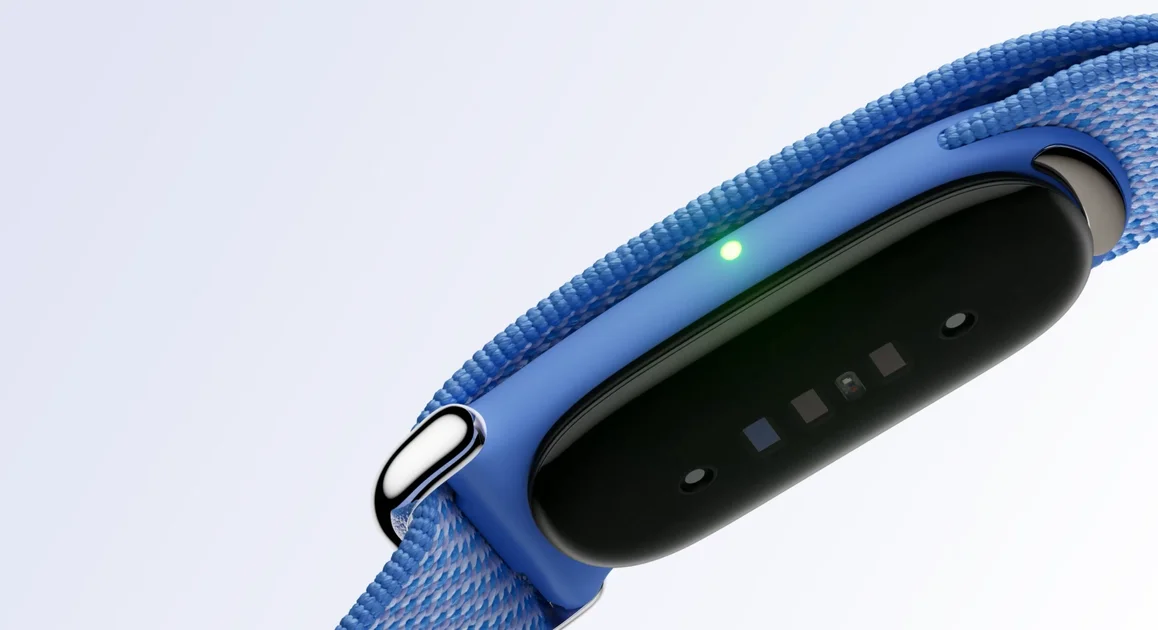
The Fitbit Air represents a deliberate departure from the smartwatch arms race. Instead of a screen, it relies on a pill-shaped sensor module that snaps into interchangeable bands. Users interact with the device through haptic feedback, a single LED light, and the companion app. This design philosophy echoes Fitbit's earliest clip-on trackers from the early 2010s, but the technology inside is thoroughly modern.
Sensor Suite and Health Tracking
Despite its small size, the Air packs a impressive array of sensors: an optical heart rate monitor, a 3-axis accelerometer, gyroscope, red and infrared sensors for blood oxygen (SpO2) monitoring, and a skin temperature sensor. This hardware enables 24/7 heart rate tracking, irregular heart rhythm notifications for atrial fibrillation (AFib), heart rate variability (HRV) analysis, and detailed sleep stage tracking.
The device is water-resistant to 50 meters and automatically detects workouts without user input. For those who want manual control, workouts can be started from the Google Health app. The lack of a screen means no Google Wallet or YouTube Music controls—a trade-off Google acknowledges is intentional for those seeking a distraction-free experience.
Battery Life and Charging
Battery life is rated at seven days per charge, with a fast-charging feature that provides a full day of use in just five minutes. The charger itself has been redesigned: it is a pill-shaped magnetic dock that finally uses USB-C on the other end. A full charge from zero takes approximately 90 minutes.
The AI Brains Behind the Band
The Fitbit Air is not designed to stand alone. It is the core hardware component of Google's broader health software strategy, centered on Health Coach—an AI-powered assistant built on Google's Gemini models. Health Coach was in beta testing for much of 2025 and has now officially launched alongside the Air.
Google Health Rebrand
With this launch, the Fitbit app has been rebranded to "Google Health," signaling a deeper integration of Fitbit's health tracking into Google's ecosystem. The app serves as the central hub for all biometric data collected by the Air, providing personalized insights and actionable recommendations.
AI Coaching Features
Health Coach uses the data from the Air to generate customized fitness and wellness plans. It can analyze sleep patterns, recovery scores, and activity levels to suggest optimal workout times, rest periods, and even stress management techniques. Google claims the AI becomes more personalized over time, learning from user habits and biometric trends.
A three-month trial of Google Health Premium is included with every Fitbit Air purchase. Premium offers deeper analytics, advanced sleep tracking breakdowns, and more detailed coaching recommendations. After the trial, the service costs a subscription fee, though basic tracking and app access remain free.
Fitbit Air vs. Whoop: A Direct Challenge
The most obvious comparison for the Fitbit Air is the Whoop band, a device that pioneered the screenless fitness tracker category and has commanded a premium subscription price. The Air's $99 upfront cost is significantly lower than Whoop's hardware-plus-subscription model, which requires an annual membership fee starting at around $30 per month.
Design and Comfort
Where Whoop emphasizes recovery metrics and subscription-only access, Google is betting on its AI ecosystem and lower price point. The Air is 20 percent lighter than the discontinued Fitbit Luxe and 50 percent smaller than the Inspire, making it a strong candidate for users who find traditional smartwatches too bulky. The micro-adjustable textile band and silicone workout strap options aim to improve comfort for round-the-clock wear.
Feature Limitations
However, the Air lacks some features that Whoop users might expect. There is no integrated GPS—the device relies on connected GPS from a smartphone. Additionally, the AI coaching is partially gated behind the Premium subscription, which may feel similar to Whoop's paywall model. Google has not yet announced the long-term pricing for Google Health Premium after the trial expires.
Bands, Colors, and Celebrity Partnerships
Google is launching the Fitbit Air with an expanded accessory lineup, recognizing that a screenless device lives and dies by its aesthetic flexibility.
Performance Loop and Active Sport Band
The default band is the micro-adjustable Performance Loop, made from recycled materials with a stainless steel buckle. It is available in Obsidian, Fog, Berry, and Lavender. For workouts, the sweat- and waterproof Active Sport silicone band comes in the same four colorways, priced at $34.99 each.
Elevated Modern Band
A more fashion-forward option, the Elevated Modern Band, is made from polyurethane with a stainless steel buckle and comes in Porcelain, Moonstone, and Obsidian. It is designed to make the Air look like a simple bracelet rather than a fitness tracker. This band retails for $49.99.
Stephen Curry Special Edition
In a high-profile partnership, Google has teamed up with NBA star Stephen Curry for a special-edition Fitbit Air. Curry, who has been acting as a performance adviser for Health Coach, was spotted wearing a test version during Warriors games last season. The Curry edition features a rye-brown and game-day orange color scheme with a unique water-resistant coating and raised interior stripes designed to increase airflow during high-intensity movement. It is priced at $129.99.
Broader Implications for Google's Wearable Strategy
The Fitbit Air launch is more than just a new product; it is a statement of intent from Google about the future of its wearable division. After two years of relative quiet following the Fitbit acquisition, the company appears to be shifting from smartwatches to specialized health wearables.
From Smartwatch to Smart Sensor
Google's Pixel Watch line remains its flagship smartwatch, but the Air targets a different audience: those who want health data without the distractions of a screen. This mirrors a broader industry trend away from do-it-all devices toward focused, sensor-rich wearables that prioritize accuracy and comfort.
The decision to rebrand the Fitbit app to Google Health also suggests a deeper integration with Google's services, including potential cross-platform functionality with Android, Google Fit, and even third-party health platforms. This could ultimately position Google as a serious competitor in the digital health space, beyond just fitness tracking.
The Subscription Model Question
The Air's reliance on a premium subscription for advanced features raises questions about Google's long-term monetization strategy. While the hardware is affordable, the recurring revenue from Health Coach could become a significant profit center. This model has been proven by Whoop, but it also risks alienating users who prefer a one-time purchase.
In a wearable market crowded with options from Apple, Samsung, Garmin, and Whoop, the Fitbit Air's success will depend on how well its AI coaching delivers on its promises. Early reviews have praised the design and comfort but have expressed caution about the depth of the AI insights versus established competitors.
What This Means for the Fitness Tracker Market
The Fitbit Air is likely to accelerate a trend toward screenless, sensor-first wearables. Whoop has dominated this niche for years, but Google's entry—with its vast resources, existing user base, and AI expertise—validates the category and could bring it to a mainstream audience.
Price Wars and Accessibility
At $99, the Air undercuts nearly every competitor while offering comparable sensor hardware. This could pressure Whoop to reconsider its pricing model or force Garmin and Samsung to introduce more affordable, display-free options. For consumers, this means more choice and better value, particularly for casual fitness enthusiasts who do not need a full smartwatch.
The Role of Artificial Intelligence
Google is betting heavily that AI-powered coaching will be the differentiator. Unlike static metrics displayed on a screen, Health Coach aims to dynamically adjust recommendations based on a user's unique physiology and behavior. If this works as advertised, it could transform fitness trackers from passive data loggers into active personal trainers.
However, trust and privacy remain concerns. Google's track record with consumer health data is under scrutiny, and the company will need to be transparent about how biometric information is stored, processed, and used. The Federal Trade Commission and European regulators have previously investigated tech companies for health data practices, and the Air's AI dependency may invite further oversight.
Availability and Final Thoughts
The Fitbit Air is available for pre-order today on Google's online store and through major retailers. The base model includes the Performance Loop band in the buyer's choice of color. Additional bands and the Stephen Curry edition can be purchased separately or as bundles.
For those already invested in the Fitbit ecosystem or considering a switch from Whoop, the Air presents a compelling case: similar functionality at a fraction of the cost, with the promise of Google's AI enhancements over time. The real test will come in the coming months as users evaluate whether Health Coach delivers insights that genuinely improve their well-being—or whether the screenless design will prove too limiting for a market that has grown accustomed to checking their stats at a glance.
As the wearable landscape continues to evolve, one thing is clear: Google is no longer content to follow the smartwatch trend. With the Fitbit Air, it is charting its own course, betting that the future of health tracking is not on your wrist, but in the cloud.
Comments