
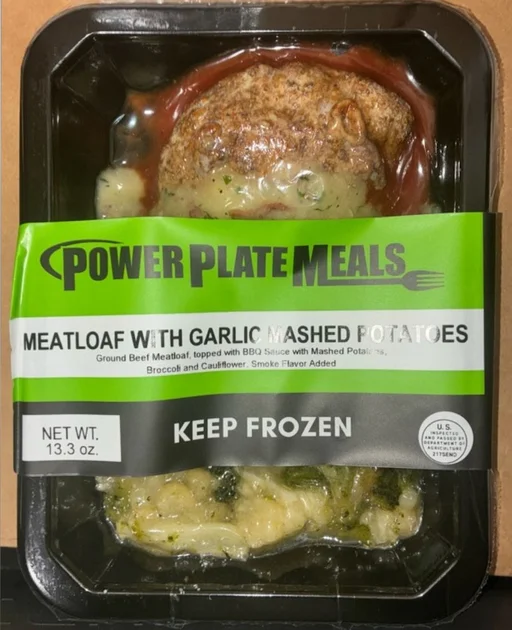
Power Plate Meals Recall Frozen Meatloaf Due To Undeclared Soy Allergen
The U.S. Department of Agriculture's Food Safety and Inspection Service (FSIS) announced a recall of approximately 5,795 pounds of frozen meatloaf products from North Dakota-based Power Plate Meals, LLC, citing misbranding and the presence of an undeclared allergen. The recall, issued June 18, 2026, affects frozen meatloaf with garlic mashed potatoes distributed to Minnesota, North Dakota, and South Dakota.
According to FSIS, the products contain soy, a known allergen, that is not declared on the product label. Consumers who have purchased these meals are urged not to consume them and to either throw them away or return them to the place of purchase. The recall was initiated after a state inspector notified FSIS of the labeling error. No confirmed reports of adverse reactions have been received, but FSIS expressed concern that some product remains in consumers' freezers.
The recalled items are 13.3-oz. vacuum sealed plastic tray packages labeled "POWER PLATE MEALS MEATLOAF WITH GARLIC MASHED POTATOES" with "USE BY" dates ranging from June 25, 2026, to June 10, 2027. The products were produced between June 25, 2025, and June 10, 2026. They bear establishment number "217SEND" inside the USDA mark of inspection.
Health Risks and Consumer Advisory
Consuming products containing undeclared soy can trigger allergic reactions in individuals with soy allergies. Symptoms may include vomiting, stomach cramps, wheezing, and difficulty breathing. FSIS classified this as a Class I recall, indicating a reasonable probability that eating the food could cause serious health consequences or death.
FSIS advises consumers who have purchased the recalled products to check their freezers immediately. The agency recommends not consuming the items and discarding them or returning them to the store for a refund. For food safety questions, consumers can call the toll-free USDA Meat and Poultry Hotline at 888-MPHOTLINE (888-674-6854) or email MPHotline@usda.gov. Problems with meat, poultry, or egg products can be reported 24/7 via the Electronic Consumer Complaint Monitoring System at https://foodcomplaint.fsis.usda.gov/eCCF/.
Company Background and Recall Scope
Power Plate Meals, LLC, based in West Fargo, North Dakota, produces frozen meal solutions for consumers in the Upper Midwest. The recall covers products shipped to distributors in Minnesota, North Dakota, and South Dakota. The affected states share geographic and economic links, with many consumers relying on frozen meal options for convenience.
The recall scope—5,795 pounds—is relatively modest compared to large national recalls, but its regional concentration raises awareness about food safety challenges faced by smaller producers. FSIS emphasized that while no illnesses have been confirmed, the potential for severe allergic reactions warrants immediate action.
Broader Food Safety Trends and Implications
This recall joins a growing list of food safety actions involving undeclared allergens. According to FDA data, allergen misbranding remains one of the leading causes of food recalls in the United States. Soy, milk, and peanuts are among the most common undeclared allergens. The trend underscores the difficulty manufacturers face in ensuring accurate labeling, especially as supply chains become more complex.
For consumers, the recall highlights the importance of checking product labels and staying informed about recalls. The USDA's FSIS maintains a searchable database of recalls, and consumers can sign up for email alerts. The agency also recommends that individuals with food allergies always read ingredient labels and contact manufacturers if they have questions.
Regional Impact and Consumer Response
The recall has drawn attention in the Upper Midwest, where Power Plate Meals is a local brand. News outlets in Minnesota and the Dakotas have amplified the alert, urging residents to check their freezers. The recall also affects institutional buyers such as schools, hospitals, and retirement homes that may have purchased the products for meal programs.
Local food banks and pantries have been advised to quarantine any recalled products. The Minnesota Department of Agriculture is coordinating with FSIS to ensure proper disposal. In South Dakota, the state health department issued a public notice reminding consumers of the risks associated with undeclared allergens.
Food Safety Infrastructure and Prevention
Food safety experts point to this recall as an example of how routine inspections can catch labeling errors before they cause widespread harm. FSIS inspectors conduct continuous checks at processing facilities, and state inspectors often serve as an additional layer of oversight. The discovery of the soy mislabeling during a state inspection likely prevented more products from reaching consumers.
Manufacturers have tools to reduce misbranding risks, including automated label verification systems and employee training. However, smaller companies like Power Plate Meals may lack the resources of larger corporations. The recall may prompt the company to review its labeling processes and invest in new equipment.
Conclusion: Staying Informed and Safe
As the recall progresses, consumers in the affected states should remain vigilant. The USDA has provided clear steps for identifying and returning the recalled products. Those with soy allergies should be particularly cautious. The incident serves as a reminder that even well-established food producers can make labeling mistakes, and that consumer awareness is a critical part of food safety.
For more on consumer trends and food recalls, check out our article on Jersey Mike's Ends Chick-fil-A's 11-Year Reign as America's Favorite Restaurant. And for a look at how technology is changing other industries, see SteamOS 3.8 Opens Desktop Linux to Nvidia, Rekindles Custom Steam Machine Era.
Consumers with additional questions can contact the USDA Meat and Poultry Hotline or visit the FSIS website for updates.
Comments