
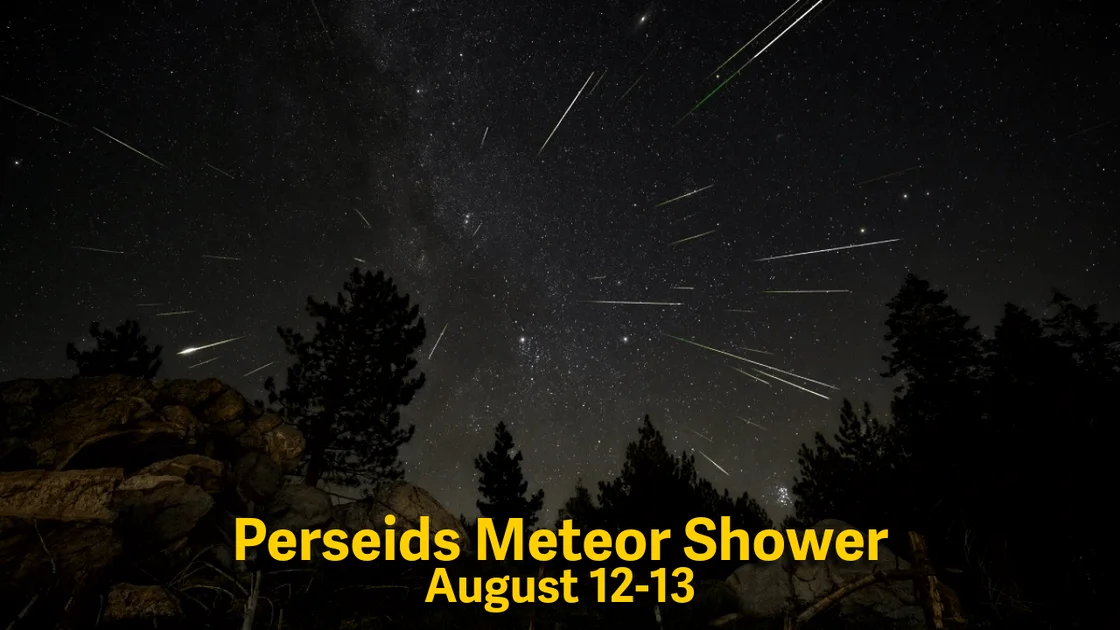
Peak of the 2026 Perseid Meteor Shower Arrives Under a New Moon
The 2026 Perseid meteor shower, widely regarded as one of the most anticipated celestial events of the year, is now active and building toward its peak. Running from July 17 through August 24, the shower will reach maximum intensity overnight on August 12–13, when skygazers across the Northern Hemisphere could witness up to 100 meteors per hour under ideal conditions.
What makes this year's display especially noteworthy is the timing of the new moon, which coincides precisely with the shower's peak. Without moonlight washing out fainter streaks, observers in dark locations can expect exceptionally clear views. According to NASA and BBC Weather, the absence of lunar interference creates optimal conditions for spotting the shower's characteristic bright, fast-moving meteors and occasional fireballs.
Where and When to Look
The best viewing window runs from midnight until about an hour before sunrise on the peak nights. While the shower originates from the constellation Perseus, experts advise against staring directly at the radiant. Instead, lie flat on your back and scan the wider sky to catch the longest, most dramatic streaks. The meteors become visible as tiny debris—often no larger than a grain of sand—vaporize in Earth's atmosphere at more than 37 miles per second, generating temperatures exceeding 3,000 degrees Fahrenheit.
Why This Year's Conditions Are Exceptional
The Perseids are known for reliably producing 60–100 meteors per hour at peak, but the 2026 event offers an unusually favorable alignment. A new moon means the sky will be at its darkest, enhancing visibility for fainter meteors and fireballs alike. BBC Weather reports that up to 150 meteors per hour are possible in the densest parts of the debris stream, though 100 is a more typical expectation under dark skies.
Weather cooperation will also play a role. Across much of the United States and Europe, summer weather patterns often bring clear nights, but localized cloud cover can hinder views. For example, BBC Weather notes that northern Scotland and eastern coasts may see more North Sea cloud in the week leading up to the peak, while southern and western regions are expected to have clearer skies. Skygazers are encouraged to check local forecasts and seek spots far from city lights.
The Science Behind the Shower
Every year in late July and August, Earth passes through the debris trail left by Comet 109P/Swift-Tuttle. The comet, which takes about 133 years to orbit the Sun, sheds dust and rock fragments along its path. When these particles enter Earth's atmosphere at high speed, they compress and heat the air around them, creating brilliant streaks of light. Larger fragments can produce fireballs—meteors that outshine Venus and sometimes even cast shadows on the ground.
The Perseids are also known for their speed: they travel at roughly 37 miles per second, making them some of the fastest meteors observable. This speed contributes to their bright, often greenish tails, which can persist for several seconds.
How to Plan Your Viewing Experience
No special equipment is required to enjoy the show. Telescopes and binoculars are not recommended because they restrict the field of view; the naked eye remains the best tool for meteor watching. To maximize your chances, follow these practical tips:
- Find a dark location: Light pollution is the biggest obstacle. A state park, national forest, dark beach, or even a large backyard away from streetlights can suffice. The further you are from urban glow, the more meteors you will see.
- Give your eyes time to adapt: It takes 15 to 20 minutes for your eyes to fully adjust to the dark. Avoid looking at your phone or any white light during this time. Red-light headlamps can help preserve night vision.
- Dress comfortably: August nights can be cool, even in summer. Bring warm layers, a reclining chair or blanket, bug spray, and snacks. Meteor watching is a leisurely activity—comfort makes a difference.
- Plan around the moon: This year, the new moon works in your favor, but in future years, moon phase can significantly affect visibility. The 2026 peak offers a rare opportunity for pristine conditions.
Family-Friendly Stargazing
The Perseids are also one of the most family-friendly meteor showers because they occur during summer vacations. Many families plan camping trips or road trips around the peak, turning the event into a shared experience. As noted by travel sources, the core memory often becomes the night itself: lying on blankets, passing around snacks, and exclaiming when a bright streak cuts across the sky. For those who cannot travel far, a local park with lights turned off can still offer a memorable view.
Broader Implications for Astronomy Enthusiasts
The 2026 Perseid shower highlights a growing public interest in accessible astronomy. With light pollution obscuring the Milky Way for many Americans, events like the Perseids provide a tangible reason to seek out darker skies—even if only for a night. This trend is reflected in the increasing popularity of dark-sky parks and stargazing tourism.
Meteor showers also serve as a gateway for casual observers to engage with space science. Understanding that the streaks are caused by comet debris helps demystify the cosmos and connects people to larger astronomical cycles. For educators and families, the Perseids offer a low-barrier entry point for teaching children about orbits, comets, and atmospheric physics.
The Role of Sky Forecasts
As weather patterns shift with climate change, accurate night-sky forecasts have become more important. BBC Weather and other meteorological services now routinely provide cloud-cover predictions tailored to stargazing, helping enthusiasts plan their viewing with greater confidence. Apps and online tools allow users to check conditions in real time, increasing the likelihood of a successful observation.
Looking Ahead: What This Means for Future Events
The success of the 2026 Perseid shower could influence how other celestial events are anticipated. The coincidence of a major shower with a new moon is rare—the next similar alignment for the Perseids may not occur for several years. This has already spurred increased media coverage and public interest, which in turn supports continued investment in dark-sky conservation and public astronomy programs.
Moreover, the shower's timing in August makes it a fixture of summer culture. It coincides with the peak of the Milky Way season, offering a double celestial treat for those in dark locations. Those who miss the 2026 peak can still look forward to the December Geminids, another prolific shower, though winter weather and shorter nights pose different challenges.
Final Viewing Guide for August 12–13
To summarize the key takeaways for the 2026 Perseid meteor shower:
- Peak night: August 12–13, with best viewing after midnight until dawn.
- Moon phase: New moon, ensuring completely dark skies.
- Expected rates: 60–100 meteors per hour under ideal conditions, with up to 150 possible.
- Viewing location: Anywhere with dark, clear skies, away from light pollution.
- Equipment: None required—just your eyes, patience, and comfortable seating.
For those looking to extend the experience, consider pairing meteor watching with a summer road trip or campout. The event is a natural centerpiece for an August getaway, especially in areas known for dark skies.
As the shower continues through late August, even nights before and after the peak can yield respectable meteor rates. But the night of August 12–13 remains the highlight, offering what many astronomers expect to be the best Perseid display in years.
Interested in more skywatching tips? Check out our guide on Perseid Meteor Shower 2026: New Moon Promises 100 Meteors Per Hour at Peak for additional details on timing and locations.
Comments