
Apple’s Lawsuit Signals a Fracture in Silicon Valley’s Old Guard
On July 14, 2026, Apple filed a blockbuster lawsuit against OpenAI, accusing the AI startup of systematically poaching its top engineers and breaking an unspoken rule that has long governed Silicon Valley: talent moves, but not at the expense of the established order. According to a Business Insider analysis, the lawsuit marks an escalation in tensions between the two former partners. The suit alleges that OpenAI aggressively recruited Apple employees working on core hardware and software projects, violating what insiders describe as a fragile gentleman’s agreement.
Apple’s legal action centers on claims that OpenAI’s hiring practices were not just aggressive but predatory—targeting key team members involved in Apple’s most sensitive projects. This comes after OpenAI’s meteoric rise in the AI sector, fueled by a staff that includes many former Google, Microsoft, and now Apple engineers. The lawsuit is the first major legal confrontation of its kind in the AI arms race, signaling that the old rules of engagement no longer apply.
An Unwritten Code: How Big Tech Used to Play the Talent Game
For decades, Silicon Valley operated under an informal but widely respected playbook. Engineers worked on secret projects inside tech giants, gained deep expertise, and eventually left to found startups. Most startups stayed small, solved niche problems, and either failed or were acquired. When successful, they often became suppliers, partners, or acquisition targets—strengthening the dominant players rather than threatening them. Founders frequently returned to their former employers, completing a comfortable cycle of risk-sharing and control.
As Business Insider notes, this arrangement suited Big Tech perfectly. Companies like Apple, Google, and Amazon could let startups take the technical and financial risks, then acquire the technology once it proved viable—or buy the startup outright. Examples include Kiva Systems, which Amazon acquired to build its warehouse robotics empire, and Google’s deal to bring back AI expert Noam Shazeer from Character.ai. The system was designed to minimize disruption while maximizing control.
OpenAI Breaks the Mold—and Pays the Price
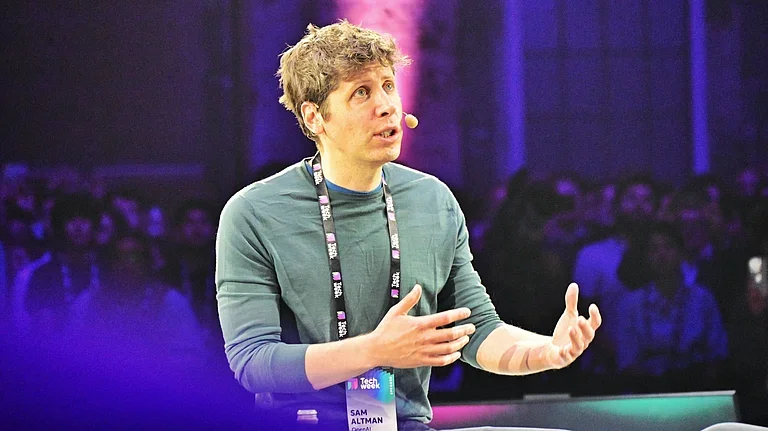
OpenAI has refused to play by these rules. CEO Sam Altman has aggressively hired from competitors without waiting for acquisitions or partnerships. The company’s rapid expansion has seen it lure talent from Apple, Microsoft, and Google, building an in-house team that rivals the engineering might of its former partners. This behavior, according to legal filings, crosses a line that Big Tech had long considered sacred.
The lawsuit is not just about poaching—it’s about power. OpenAI’s refusal to be absorbed into the existing ecosystem threatens the very structure that has kept Silicon Valley stable for two decades. If a startup can grow without being bought or controlled, the old guard loses its leverage. Apple’s legal response is a signal that the unwritten code is now being written into law, with potentially far-reaching consequences for innovation and competition.
Beyond the Courtroom: A Startup’s Secret ‘Organ Sack’ Ambition
While the OpenAI-Apple dispute dominates headlines, another Silicon Valley player is raising ethical alarms. R3 Bio, a secretive longevity startup, has been pushing the boundaries of biotechnology with plans to grow human-like “organ sacks”—brainless, organ-filled humanoid forms designed for organ harvesting and drug testing. In a podcast interview obtained by Futurism, COO Alice Gilman described the concept as “nonsentient” life-forms containing a heart, lungs, and other organs, but no brain, making them not technically alive. The company later tried to suppress the interview, claiming it is a “federal asset,” though it did not dispute the details.
This revelation comes amid a broader trend in Silicon Valley toward morally ambiguous innovation, where the pursuit of technological breakthroughs often outpaces ethical deliberation. The organ sack concept, while still theoretical, highlights a willingness to challenge even the most fundamental biological and legal boundaries. It also underscores the region’s culture of secrecy and ambition—a culture that the OpenAI-Apple lawsuit is now forcing into the open.
A Region Reckoning with Its Own Culture
The two stories are not unrelated. Both reflect a valley that has grown too big for its old rules. The OpenAI lawsuit shows that the informal codes that once governed talent and technology are crumbling under competitive pressure. The R3 Bio case shows that the same hunger for disruption can produce visions that are not just legally risky but ethically fraught. Silicon Valley, long celebrated for its culture of creative destruction, now faces a double reckoning: legal boundaries are being tested, and moral boundaries may need to be drawn.
This has broader implications for regulators, investors, and the public. If the OpenAI suit succeeds, it could redefine how tech companies recruit and retain talent, potentially slowing the flow of engineers between giants and startups. Meanwhile, the ethical questions raised by R3 Bio—how far should biotech go?—are likely to fuel calls for more oversight. The valley that once operated on trust and handshake deals is now being forced to formalize its norms.
What This Changes: The End of Silicon Valley’s Golden Era?
The OpenAI-Apple lawsuit and the R3 Bio controversy together signal a turning point. The unspoken rules that have governed Silicon Valley are no longer sufficient to manage the scale and speed of current innovation. The region’s ability to self-regulate—through informal agreements, acqui-hires, and a shared culture—is being tested by actors who refuse to play by those rules.
For startups, the message is clear: the old path from innovation to integration is no longer guaranteed. For Big Tech, the lesson is that protecting talent now requires legal action, not just handshake deals. And for the broader public, the era of unsupervised experimentation—whether in AI or biotech—may be coming to an end.
While the outcome of Apple’s lawsuit remains uncertain, the case is already reshaping the landscape. If you’re following the drama, consider how the dynamics of talent and power play out in other areas of culture and sports, as seen in how athletes like Alyssa Thomas and Diana Taurasi navigate elite competition. Meanwhile, the R3 Bio story serves as a reminder that innovation can open doors both promising and perilous—a theme that also resonates in the ongoing debate about heat-related risks in England’s new homes.
Silicon Valley’s future may depend on whether it can write a new set of rules that balance ambition with accountability.
Comments