
Samsung Galaxy S26 Ultra Users Report Pervasive Red Tint on Displays
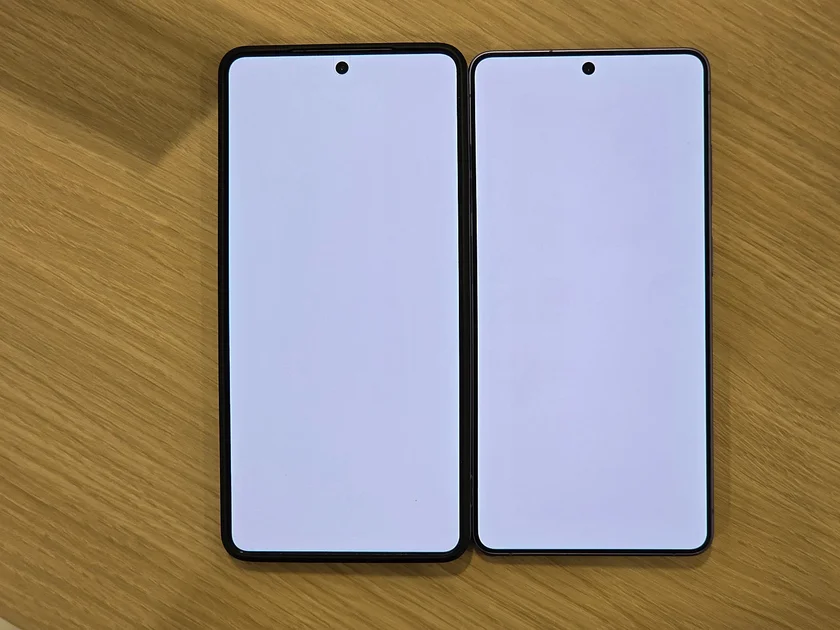
Samsung is facing a growing controversy as scores of Galaxy S26 Ultra owners report a red tint developing on their screens. The issue, which appears as a reddish hue in the center of the display, has prompted an internal investigation at Samsung, according to South Korean outlet Newsway. The problem emerged months after the device's launch, with users stating the discoloration was not present at unboxing but became visible over two to three months of use.
A Samsung spokesperson confirmed to Newsway: "We are currently examining the matter internally to confirm the cause." The company has not yet classified the issue as a formal defect, and its support documentation notes that color variations are "inherent characteristics of AMOLED screens" rather than defects. However, the widespread nature of the complaints has forced Samsung to take the issue seriously.
The Role of Privacy Display Technology
Industry observers and affected users have pointed to the Galaxy S26 Ultra's headline Privacy Display feature as the most probable cause. This hardware-based technology manipulates light emission at the pixel level to restrict screen visibility to only those viewing it head-on. To achieve this, the display dims pixels on the sides and boosts them in the center—precisely where the reddish cast is appearing.
"Altering the light-emitting structure might have compromised screen uniformity," noted a PhoneArena report. The Privacy Display is exclusive to the Galaxy S26 Ultra, making this the first Samsung phone to encounter such a problem linked to the feature. Other possible causes include OLED burn-in or manufacturing inconsistencies, but no definitive conclusion has been reached.
Context: A History of Growing Pains for the Galaxy S26 Ultra
The red tint issue is not the first controversy to plague Samsung's latest flagship. Even before the discoloration emerged, early adopters reported headaches and eye-strain, with some returning the device. Discomfort persisted even when the Privacy Display was turned off, suggesting a deeper problem with the phone's Pulse Width Modulation (PWM) dimming rate, which can cause screen flicker detectable by sensitive users.
Android Police’s review of the Galaxy S26 Ultra noted three initial controversies: a screen that emulates but does not offer true 10-bit color performance (it uses 8-bit), a detectable flicker likely caused by the emulation or Privacy Display, and a switch from a periscope telephoto to an All Lenses on Prism (ALoP) design for the 5x zoom camera. Despite these points, the reviewer awarded the phone an 8/10, calling the Privacy Display its standout feature.
Sales Momentum at Risk
The Galaxy S26 Ultra enjoys strong sales, and Samsung has been promoting the device aggressively. A current deal on Amazon slashes $321 off the 256GB model, bringing the price to under $980. The discount, which follows Amazon Prime Day, highlights Samsung’s push to maintain momentum. But the emerging defect could undermine consumer confidence, especially as first-gen technology risks become more widely known.
Perspective: What This Means for Samsung and the Industry
The red tint issue raises broader questions about the risks of pioneering hardware features. Samsung bet heavily on the Privacy Display, marketing it as a unique selling point that no other phone can match. However, if the defect is confirmed as hardware-related, a software update will not fix it. Samsung would then face the costly prospect of offering display repairs or replacements, or choosing to dismiss the issue under existing AMOLED color variation policies.
Analysts note that such early-adopter problems could slow adoption of innovative display technologies across the industry. Competitors may watch closely to see how Samsung handles the situation, as it could set a precedent for liability and customer support on first-gen hardware features.
Environmental and Health Angles
Interestingly, the eye-strain and headache complaints tied to the Galaxy S26 Ultra’s display mirror broader public health concerns around screen flicker and low-frequency PWM, which are increasingly discussed in contexts like wildfire smoke and heat waves that exacerbate respiratory and visual discomfort. While not directly related, the conversation around screen safety aligns with growing awareness of how technology affects well-being.
Outlook: Samsung’s Next Move
Samsung has not yet committed to a remedy. If the investigation confirms a hardware defect, the company may offer free display replacements or device swaps. But if Samsung sticks to its position that color variations are normal, affected users could be left without recourse. With the Galaxy S26 Ultra being the richest, most feature-saturated Samsung phone to date, the outcome of this investigation will likely influence whether consumers see it as a breakthrough worth the risk—or a cautionary tale about chasing innovation too fast.
Comments