
Mamdani’s Housing Vision Takes Center Stage
New York City Mayor Zohran Mamdani on Tuesday unveiled a sweeping $28 billion affordable housing plan, vowing to build 200,000 new affordable homes and preserve another 200,000 over the next decade. The proposal, dubbed “Block by Block,” represents the most ambitious housing initiative of his young administration and a key test of his promise to tackle the city’s deepening affordability crisis.
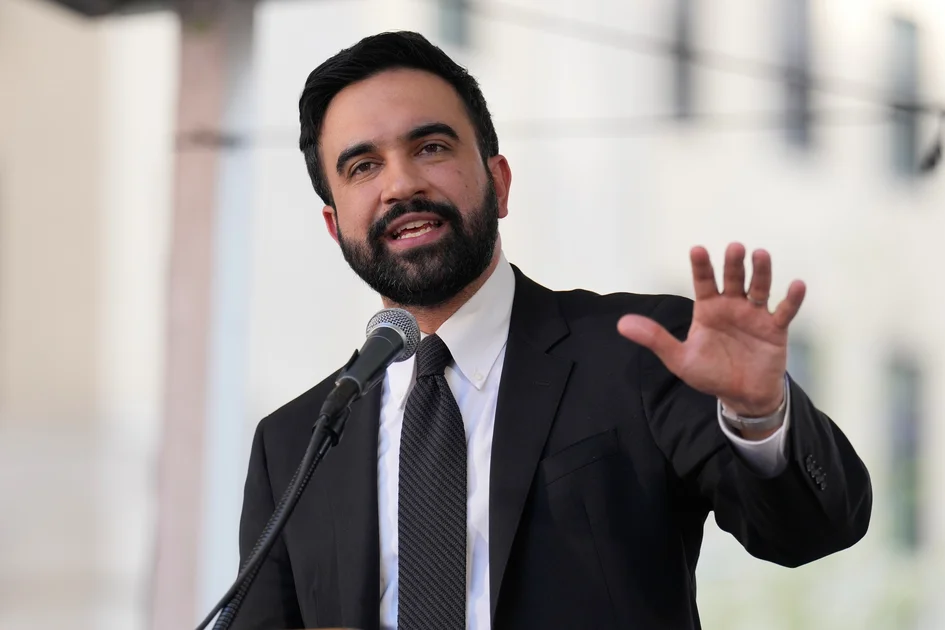
Speaking at an event in Gowanus, Brooklyn, Mamdani outlined three core components: new construction, tenant protections, and a major overhaul of the New York City Housing Authority (NYCHA). The plan includes $22 billion in new investments for affordable housing, $5.6 billion specifically earmarked for NYCHA repairs, and a new $40-per-hour minimum wage for construction workers on city-financed projects. It also proposes aggressive code enforcement, a city-backed home insurance provider, and looser regulations for prefabricated homes.
“We can keep people in their homes, and we can build the homes that they need to live,” Mamdani said. “We have spoken about this crisis long enough, it is now time to do something about it.”
Key Details of the Block by Block Plan
The plan seeks to address multiple fronts of the housing crisis simultaneously. Under the first plank, the city will invest heavily in zoning changes and direct funding to ease construction and homeownership. The second plank creates a legislative task force to overhaul maintenance codes and improve 311 complaint investigations, with a promise that every heat-season complaint will be investigated starting Oct. 1, and legal action will be taken against negligent landlords.
The third plank focuses on NYCHA, which manages more than 170,000 apartments across 335 developments, many decades old. Mamdani’s $5.6 billion commitment aims to speed up basic repairs that residents say have been neglected for years. “Oh my God, where do I start? Mold! Like, actually, the building separating. Water leaks... like it's raining, there's icicles in the apartments in wintertime,” said Brooklyn tenant Bibiana Mancero at the press conference.
Mixed Reactions and Political Stakes
While tenants and housing advocates cheered the announcement, critics — particularly landlords and developers — warned that the plan could backfire. The NY Apartment Association CEO Kenny Burgos argued that rent freezes and new regulations could lead to more vacancies and falling property values. “That is causing apartments like the one that I am in to sit empty and it's causing these building valuations to fall off a cliff,” he said.
Other analysts point out that fixing NYCHA alone would require an estimated $80 billion, making the mayor’s $5.6 billion investment appear modest. Without stronger incentives for developers, some question whether the promised boom in affordable housing will materialize.
The housing plan is central to Mamdani’s political identity. His mayoral campaign was built on affordability, and the success or failure of this initiative could define his term — and influence how Democrats nationwide talk about cost-of-living issues. In an interview, Mamdani declined to say whether the plan’s success would define his legacy, but called housing “the No. 1 driver” of the affordability crisis.
Protests Over Jewish Safety Cloud the Announcement
On the same day Mamdani rolled out his housing plan, protesters gathered outside Gracie Mansion accusing him of failing to protect Jewish New Yorkers. The demonstration, organized by the Jewish civil rights group End Jew Hatred, criticized the mayor for what they described as a selective response to hate incidents.
“You can't pick and choose what you call out. You can't call out swastikas, but then not call out a Hezbollah flag being waved and ‘Zionists must fall’ being chanted,” said Michelle Ahdoot, the group’s director of programming and strategy. “Our ultimate goal is for Zohran Mamdani to be removed from office.”
Counter-protesters defended the mayor. Rabbi Yitzchok Deutsch said, “We say when [Mamdani] stands against Zionism, this is not against Judaism.” The mayor’s office confirmed he will not attend the Israel Day parade this weekend, a decision that has drawn further scrutiny.
According to an Anti-Defamation League audit, New York recorded 1,160 antisemitic incidents in 2025, the highest of any state. Rabbi Rick Jacobs, president of the Union for Reform Judaism, acknowledged Mamdani’s efforts — including appointing an executive director to combat antisemitism and allocating $26 million to the Office of Hate Crime Prevention — but warned that the mayor’s rhetoric on Israel could embolden those who wish harm on the Jewish community.
Broader Implications and National Context
Mamdani’s housing plan arrives at a pivotal moment for New York City and the Democratic Party. The plan’s scale — $28 billion in combined investments — positions it as a potential model for other progressive-led cities grappling with housing shortages and rising rents. However, the protests over Jewish safety highlight the delicate balance Mamdani must strike as New York’s first Muslim mayor, navigating both progressive and Jewish constituencies.
The political landscape is also shifting nationally. While housing affordability remains a top concern for voters, controversies over Israel and antisemitism have become flashpoints in local politics. Mamdani’s ability to advance his ambitious agenda while addressing these cultural tensions will likely be watched closely by allies and opponents alike.
Meanwhile, broader economic conditions — including recent drops in mortgage rates — could influence the housing market’s response to his policies. And as the city prepares for the 2026 World Cup, which will draw global attention to New York, the pressure on Mamdani to deliver tangible results is only intensifying.
For now, the mayor is banking on the Block by Block plan to show that government can both build and protect. “Too often in conversations around housing, there is a sense of a choice that has to be made,” Mamdani said. “What we actually see the choice is being a government that debates or a government that delivers.”
Comments