
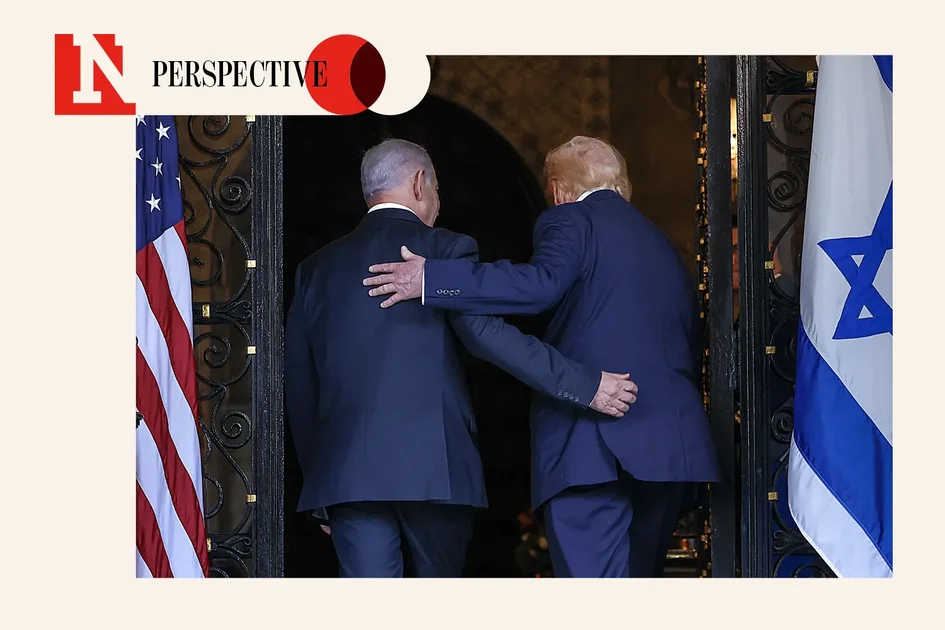
U.S.-Israel Tensions Bubble Up as Iran Strikes Resume
Prime Minister Benjamin Netanyahu spoke by phone with U.S. President Donald Trump on Thursday night, July 9, 2026, as coordinated American strikes against Iranian assets in the Gulf entered a new phase. According to a statement from Netanyahu’s office, Trump briefed the Israeli leader on “American moves in the Gulf” and the ongoing attacks on Iranian positions. Netanyahu, in turn, warned Trump against approving the sale of F-35 fighter jets to Turkey and raised concerns about Turkish President Recep Tayyip Erdogan’s recent anti-Israel rhetoric.
The call, notable for its substance and timing, highlighted the delicate balancing act Netanyahu is attempting as he heads into a parliamentary election that must be held no later than October 27, 2026. While the Prime Minister’s Office portrayed the conversation as routine coordination, a White House official separately confirmed to Walla news that there are currently no plans for the two leaders to meet in person. That absence of a planned summit, even as the U.S. is engaged in active military operations in a region critical to Israel’s security, signals a palpable cooling in a relationship that was once described as exceptionally close.
Netanyahu’s Hawkish Stance on Iran
Earlier on Thursday, Netanyahu delivered a speech at the graduation ceremony for the IDF’s 192nd pilot course at Hatzerim Air Force Base, where he doubled down on his pledge to prevent Iran from acquiring nuclear weapons. “With or without a deal, Iran will not have nuclear weapons,” he declared. He referenced two major Israeli operations against Iran over the past year, calling them preemptive strikes in the tradition of the Six-Day War’s opening Operation Focus. Defense Minister Israel Katz, speaking at the same event, boasted that Israel had “eliminated many of the regime’s seniors” in Operation Roaring Lion, including the killing of Iran’s Supreme Leader Ali Khamenei and the wounding of his successor, Mojtaba Khamenei.
The timing of these speeches is significant. On Wednesday, Trump told reporters at the NATO summit in Ankara, Turkey, that he considered the Memorandum of Understanding with Iran to be “nullified” following the overnight U.S. strikes in the Strait of Hormuz. “To me, I think it’s over,” Trump said, adding that the U.S. had “wasted a lot of time” negotiating with Iran. This unilateral declaration puts Netanyahu in a bind: Israel’s security establishment has long advocated for a diplomatic off-ramp with Iran, even as Netanyahu publicly insists on military readiness. The divergence between Trump’s apparent desire to disengage from the Iranian file and Netanyahu’s vow to keep up military pressure could become a point of friction.
A ‘Burden’ to Trump? Liberman’s Scathing Assessment
Opposition leader Avigdor Liberman, head of the Yisrael Beytenu party, offered a far more critical view of Netanyahu’s management of U.S.-Israel relations. In an interview published by The Jerusalem Post on July 9, Liberman called Netanyahu a “burden” to President Trump and accused him of dismantling the bilateral relationship. “Trump wants to distance himself from him. The relationship has become a burden, and it is already hurting him in the upcoming US midterm elections,” Liberman said.
Liberman, who has served as defense minister, foreign minister, and finance minister, argued that Netanyahu’s approach has inflicted “a severe blow to Israel’s standing in American public opinion.” He said that “the more Gaza declines, the more Israel’s image declines as well,” criticizing the government for failing to improve either the security or diplomatic situation. When asked whether he would say no to Trump if he were prime minister, Liberman did not hesitate: “I would. We are still a sovereign country. We are not a banana republic.”
Liberman’s remarks are not mere campaign rhetoric. They reflect a growing bipartisan concern in Washington about Netanyahu’s policies, particularly regarding the war in Gaza and the lack of a clear postwar plan. Liberman’s party is a core part of the opposition bloc that hopes to replace Netanyahu in the upcoming election. His critique effectively weaponizes the very issue that Netanyahu has long used as his greatest asset—his claimed unique ability to manage the U.S.-Israel relationship.
The Domestic Political Clock
The election, expected by default on October 27, 2026, has become a referendum on Netanyahu’s leadership nearly three years after the October 7, 2023, attack. The government is reportedly concerned that an October 27 vote will stir up “unwanted associations” with that date, potentially hurting Netanyahu’s chances. In the remaining days before the Knesset adjourns on July 16, the government is rushing to pass a raft of controversial bills: measures that would prevent the arrest of ultra-Orthodox men who skip military service, equalize financial benefits for yeshiva students with those of army veterans, and reduce the independence of the courts and the electronic media.
Opposition parties are blocking these bills where possible, but Netanyahu is pressing ahead, framing the legal battles as a fight against an “out-of-touch” judiciary. On July 5, the government announced it would not honor a High Court ruling that ordered the convening of a body to approve the sale of commercial TV Channel 13, fearing the new owners would push coverage leftward. This direct defiance of a court order adds fuel to the fire that Netanyahu is stoking ahead of the vote.
For internal context, the current political turmoil in Israel mirrors other global shifts in leadership accountability. For instance, the recent resignation of Nigel Farage Quits as MP: By-Election Set Amid Finance Scandal and Boycotts shows how scandals can rapidly reshape political landscapes, a dynamic now unfolding in Israel.
The Broader Strategic Stakes
The convergence of these events—strained U.S.-Israel ties, a renewed Iran conflict, and an imminent Israeli election—creates a volatile cocktail. Netanyahu’s traditional strategy of running as the “security guy” who can stand up to Iran and manage Washington may be losing its potency. On one hand, his government is celebrating the killing of Khamenei and claiming historic military successes. On the other, Liberman and other critics argue that these tactical wins have come at the cost of Israel’s international standing and its most vital alliance.
Trump’s own electoral calculus adds further uncertainty. With U.S. midterm elections approaching, Trump may be less willing to be seen as Netanyahu’s partner, particularly if Israel’s actions in Gaza continue to generate negative headlines. The divergence was already visible in Thursday’s phone call: while Netanyahu pressed for a tougher line on Turkey and Iran, Trump’s public statements suggest he wants to wind down military commitments, not escalate them.
Meanwhile, the domestic battle over Israel’s democratic institutions is intensifying. The Knesset’s push to weaken the courts and the media, combined with the government’s refusal to comply with High Court rulings, echoes similar trends seen elsewhere. In the U.S., the Trump Administration Opens Endangered Species Habitats to Logging and Mining shows how executive overreach can challenge legal norms, a parallel many analysts are drawing to Netanyahu’s judicial overhaul efforts.
Regional and Global Implications
The renewed U.S. strikes against Iran, which CENTCOM said were a response to attacks on commercial shipping in the Strait of Hormuz, have drawn a cautious response from Israel. The IDF has said it is ready for any eventuality but is not expected to join this round of fighting. This restraint may reflect a decision to avoid entanglement in a conflict that could alienate Washington further. However, Netanyahu’s rhetoric—promising to keep Iran non-nuclear “with or without a deal”—commits Israel to a potential unilateral course of action if diplomacy fails.
Trump’s comment at the NATO summit that the Iran MoU is “over” effectively leaves the U.S. without a framework for de-escalation. This vacuum could embolden Iran to accelerate its nuclear program, even after the heavy blows it suffered from Israel’s operations. Netanyahu’s government, for its part, has rejected any suggestion of a negotiated settlement with Iran, a stance that may now align with Trump’s apparent disinterest in further talks.
The election, then, is not merely a domestic contest. It will determine whether Israel continues on a path of unilateral military action and judicial overhaul, or pivots toward a more diplomatically engaged posture. Liberman, who has positioned himself as a credible alternative with his security credentials, argues that only a change in leadership can restore the U.S. relationship.
What Comes Next
As the Knesset adjourns on July 16, the campaign will officially begin. Netanyahu will likely campaign on his security record, pointing to the strikes on Iran and the killing of Khamenei as proof of his strong leadership. But the specter of October 7 looms: many Israelis still hold him responsible for the intelligence and military failures that allowed the attack to happen. His opponents will use every opportunity to remind voters of that day.
Trump’s attitude toward Netanyahu will be a wild card. If the U.S. president continues to keep his distance, Netanyahu loses one of his most powerful talking points. If Trump offers a public endorsement, it could buoy the prime minister’s chances. But Liberman’s interview suggests that Trump’s camp sees Netanyahu as a liability, not an asset.
In the meantime, the U.S.-Iran conflict will continue to unfold. Israel’s security establishment is preparing for a range of scenarios, from Iranian retaliation to a full-scale confrontation. Netanyahu’s promise that Iran will never get nuclear weapons is a pledge that, if broken, would define his legacy—and potentially end it.
The stakes could not be higher. Israel is at a crossroads: between war and diplomacy, between judicial independence and political control, between the old alliance with Washington and a more transactional posture. Come October, Israeli voters will decide which path to take.
Comments