
Arrest After Bridge Collapse Disrupts Manchester-London Trains — Lines Reopen With Delays
A major disruption on the West Coast Main Line that brought train services between Manchester and London to a near standstill has entered its second day, after a bridge partially collapsed following a collision with a lorry in Warwickshire. National Rail confirmed that the lines between Nuneaton and Rugby reopened on Friday morning, June 12, but trains are running at reduced speed and passengers are still facing cancellations, revisions, and delays of up to 60 minutes.
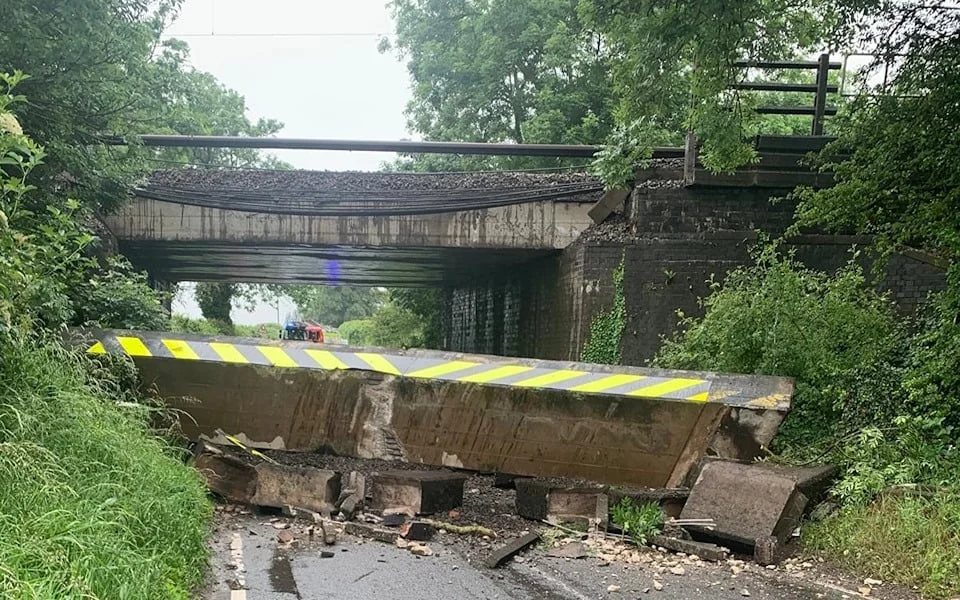
The incident occurred on Thursday afternoon, June 11, when a vehicle struck a railway bridge on Marston Lane in Whitestone, Nuneaton, causing the structure to partially collapse. Warwickshire Police arrested a 64-year-old man on suspicion of endangering a railway passenger and failure to stop after a collision. Network Rail confirmed that no injuries were reported, but the bridge was "seriously damaged."
Key Developments: Arrest and Reopening
On Friday morning, National Rail announced that the affected section of the West Coast Main Line had been reopened, but with significant speed restrictions. "Trains may still be cancelled, revised, or delayed," a spokesperson said. "We advise passengers to check their routes before travelling and to allow extra time for their journeys."
Warwickshire Police said they were called to the scene on Thursday afternoon. The road remains closed between Forders Lane and Nuneaton Road. The arrested man has been released on bail pending further inquiries, police confirmed.
Impact on Manchester-London Services
The disruption has primarily affected Avanti West Coast and London Northwestern Railway services. Trains running between Manchester Piccadilly and London Euston are among the worst hit. During the height of the disruption on Thursday, services were diverted via Birmingham New Street, adding up to 60 minutes to journey times. Rail replacement buses were deployed between Stafford and Rugby, and passengers were advised to use their tickets on alternative routes at no extra cost.
Network Rail released an image showing the scale of the damage, describing the bridge as "seriously damaged." Engineers remain on site to carry out structural assessments and repair work.
Why This Matters: The West Coast Main Line Is a Critical Arter
The West Coast Main Line is one of the busiest and most strategically important railway corridors in the United Kingdom. It connects London Euston with major cities including Birmingham, Manchester, Liverpool, Glasgow, and Edinburgh. Any disruption on this line has a cascading effect on commuters, business travellers, and freight operations across the country.
A Core Route for Commuters and Business
Manchester Piccadilly is a key hub for Avanti West Coast services, with frequent trains to London. The line also serves as a vital link for northern economies, supporting business travel and tourism. The bridge collapse, even though it occurred near Nuneaton, disrupted the entire southern approach to the West Midlands, forcing trains to reroute through Birmingham New Street.
National Rail confirmed that tickets dated for Thursday could be used on Friday services. Passengers who no longer wish to travel due to delays or cancellations can request a full refund from the point of purchase.
Structural Integrity and Safety Concerns
The incident has raised fresh questions about the resilience of the UK's railway infrastructure. While bridge strikes are not uncommon, a partial collapse severe enough to block all lines is relatively rare. Network Rail has not yet disclosed the full extent of the damage, but engineers are working to ensure the bridge is safe for rail traffic. The speed restrictions currently in place are a precautionary measure while final assessments are completed.
Broader Implications: Bridge Strikes Remain a Persistent Problem
The bridge collapse near Nuneaton is the latest in a long line of incidents where vehicles collide with railway bridges. Network Rail reported 1,666 bridge strikes between April 1, 2024, and March 31, 2025. Most of these involve lorries or buses, and each strike costs an average of £13,000 in repairs, totalling roughly £23 million in a single year.
The Human Factor: Driver Awareness
Research conducted as part of Network Rail's "Check Your Height" campaign found that more than two-fifths of lorry drivers admitted they did not measure their vehicle before setting out on a journey, and 52% said they did not take low bridges into account when planning their route. The incident in Warwickshire underscores the consequences of such oversights. While no injuries were reported this time, the potential for catastrophic harm is significant.
Infrastructure Investment and Prevention
The recurring nature of bridge strikes has led to calls for better infrastructure protection. Network Rail has installed 'bridge bangers' — warning bars that hang before low bridges to alert drivers — but these are not foolproof. Some experts argue that better signage, GPS-based warnings, and stricter enforcement of height compliance are needed.
In a broader context, the disruption caused by this single lorry strike highlights the vulnerability of the UK's railway network to a single point of failure. A similar incident earlier this year on the same line caused days of disruption.
Perspective: What This Changes for Passengers and the Network
The immediate consequence for passengers is continued uncertainty. While lines have reopened, the speed restrictions mean that schedules may not fully normalise until the bridge is fully repaired, which could take days or weeks. Network Rail has not provided a timeline for complete restoration.
Travel Advice for Commuters
Passengers travelling between Manchester and London are advised to:
- Check National Rail or their train operator's website before setting out.
- Allow at least 60 minutes of extra time for their journey.
- Consider using alternative routes via Birmingham if travelling southbound.
- Request a refund if their train is significantly delayed or cancelled.
A Reminder of Infrastructure Fragility
This incident serves as a reminder of how quickly a major transport artery can be paralysed. The UK railway network is under constant pressure from ageing infrastructure, increasing demand, and external risks like weather and road traffic accidents. The bridge collapse will likely reignite the debate about investment in infrastructure resilience and the need for a more robust system to protect against such disruptions.
In the meantime, for those affected, the disruption is a stark illustration of how a single moment — a lorry driver's misjudgement — can ripple through the daily lives of thousands of passengers. As one commuter posted on social media: "A lorry hit a bridge, and suddenly the whole line to London is gone. It makes you realise how fragile our travel network is."
Network Rail has promised a full investigation into the incident and is working with police to establish the circumstances. The arrested man remains part of that investigation.
As the network slowly recovers, the focus now is on getting passengers moving again — and on preventing the next bridge strike from causing such widespread chaos.
Comments