
Virgin Atlantic Finalizes Electric Air Taxi Deal as Tragedy Strikes at Heathrow
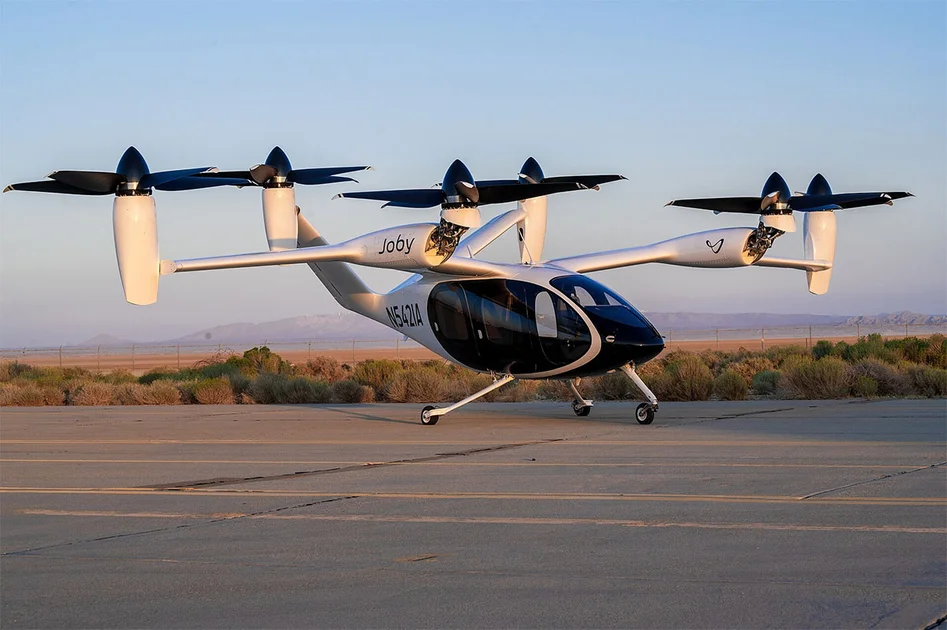
Virgin Atlantic has solidified its future in urban air mobility by signing a binding multi-year commercial agreement with Joby Aviation, making the California-based startup its exclusive airline partner for electric air taxi services in the United Kingdom. The deal, announced in late July 2026, builds on a preliminary partnership first unveiled in 2025 and deepens Joby’s existing exclusivity arrangement with Delta Air Lines, which holds a 49 percent stake in Virgin Atlantic.
Under the agreement, Joby will launch air taxi operations at Virgin Atlantic’s hubs at London Heathrow and Manchester Airport. Early routes include a mere eight-minute flight from Heathrow to central London and a 15-minute hop from Manchester Airport to Leeds—journeys that currently take over an hour by car. Virgin Atlantic will integrate booking for the all-electric aircraft into its mobile app and website, allowing travelers to seamlessly connect short-hop air taxi rides with long-haul flights.
Engineer Death Casts Shadow Over Carrier
While the partnership represents a high-profile bet on future aviation, Virgin Atlantic is also grappling with a devastating incident on the ground. On July 28, 2026, the airline confirmed the death of Georgie Buxton, a 23-year-old engineer who was crushed while performing maintenance testing on a Boeing 787-9 at London Heathrow. Buxton had been on life support for nearly a month before he passed away. Virgin Atlantic has pulled the aircraft from service and is cooperating with authorities and Boeing to investigate the cause. The airline stated it is “heartbroken” and is providing support to Buxton’s family.
Strategic Importance of the Joby Deal
The partnership comes as Virgin Atlantic and its shareholders, including Delta, seek to differentiate their customer experience through cutting-edge technology. Joby’s electric vertical take-off and landing (eVTOL) aircraft—designed to carry a pilot and four passengers—promises near-silent, emissions-free trips that slash ground travel times. The deal positions Virgin Atlantic as a first-mover in the UK’s emerging air taxi market, where regulators are still developing certification frameworks.
Joby will retain full control over aircraft operations, route management, and regulatory approvals from the UK Civil Aviation Authority, while Virgin Atlantic focuses on infrastructure integration and customer acquisition. The partnership complements Joby’s broader strategy, which also includes defense variants, autonomy software, and helicopter route integration via Blade.
Investor Skepticism Despite High-Profile Deal
Despite the fanfare, Joby Aviation’s stock has struggled. Since the deal was finalized, shares have tumbled roughly 22% in the past 30 days and are down nearly 57% over the past year. The stock closed at around $7.54 to $7.63 in late July 2026. Analysts have set a consensus fair value of $11.12 per share, suggesting the stock is roughly 31% undervalued, but the wide dispersion of targets—from $6.00 to $18.00—reflects deep uncertainty about Joby’s path to profitability.
Joby trades at a price-to-book ratio of 3.8x, compared with 1.9x for global airlines, indicating that the market is already pricing in a premium for its future potential. Still, the company remains loss-making, and investor patience will be tested as it navigates Federal Aviation Administration certification timelines and early demand for air taxi routes.
Broader Implications for Aviation and Urban Mobility
The Virgin Atlantic-Joby deal marks a significant step toward mainstreaming eVTOL services, but it also highlights the gap between technological ambition and market reality. On one hand, the partnership gives Joby access to a premium customer base and established airport infrastructure, which could accelerate adoption. On the other, the stock’s slide suggests that investors are wary of the capital intensity and regulatory hurdles ahead.
Meanwhile, the tragic accident at Heathrow serves as a stark reminder of the risks inherent in aviation, even on the ground. The death of a young engineer during routine maintenance underscores the need for relentless safety improvements across all facets of airline operations, from cutting-edge air taxis to the tried-and-true Boeing 787.
As Virgin Atlantic navigates this bifurcated moment—pushing into a futuristic mode of transport while mourning a colleague—the airline may find that its reputation for safety and innovation will be tested more than ever. For Joby, the deal provides a crucial toehold in Europe, but the stock’s performance suggests that the company must deliver on its ambitious certification and revenue milestones to win over skeptical markets.
In a broader sense, this development is part of a larger trend where traditional airlines are betting on electric aviation to reshape short-haul travel. Similar to how the four-day school week is rethinking education schedules, the aviation industry is rethinking the journey from curb to gate—whether the market is ready to pay for those minutes saved remains an open question.
Comments