
RMT Confirms Two 24-Hour London Underground Strikes for Early June
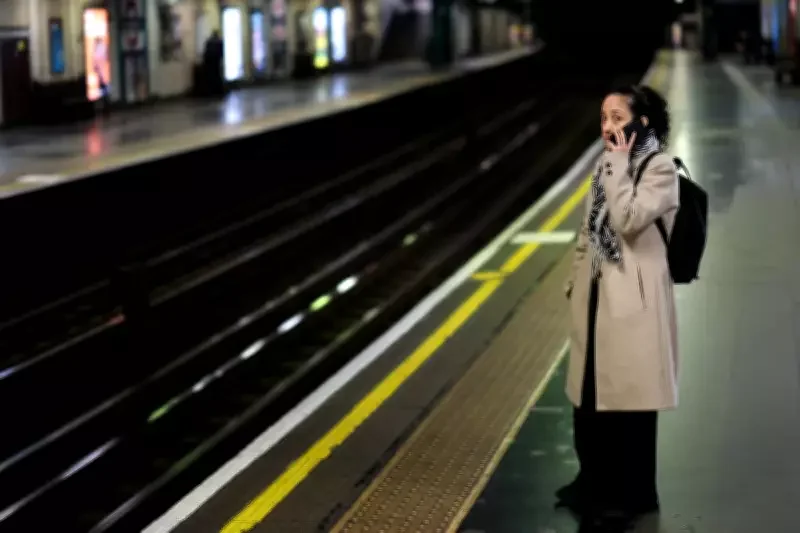
London commuters and visitors face significant disruption next week as members of the Rail, Maritime and Transport union (RMT) stage two 24-hour walkouts on the London Underground. The strikes are scheduled for Tuesday, June 2, and Thursday, June 4, 2026, impacting the entire tube network from midnight to 11:59 p.m. on each day.
Transport for London (TfL) has warned that residual disruption will carry over into the following mornings, meaning Wednesday, June 3, and Friday, June 5, will also see reduced services as the network returns to normal operations.
The strike action was announced after talks between the RMT and TfL over a proposed compressed four-day working week for tube drivers stalled. Union leaders have said further strikes could follow if no resolution is reached, though no additional dates have been formally announced.
Which Tube Lines Will Be Affected?
During the strikes, severe disruption is expected across all major tube lines. Based on previous RMT walkouts in April 2026, the Circle and Piccadilly lines are likely to be completely suspended. The Metropolitan line may not run between Baker Street and Aldgate, and the Central line is expected to see no service between White City and Liverpool Street.
Other lines will operate a reduced service, with trains running less frequently and many stations closed. TfL advises passengers to avoid travel on the Underground entirely on strike days unless absolutely necessary.
Alternative Transport Options During the Strikes
London’s public transport network offers several alternatives for getting around during the walkouts, though all will be significantly busier than usual.
Buses are expected to be the most popular alternative. London’s bus network will run a full service, but routes that normally complement tube lines will face heavy demand. Passengers should allow extra time and consider walking for shorter journeys.
The Elizabeth line, London Overground, and Docklands Light Railway (DLR) are not affected by the RMT strike and will operate a normal service. However, these lines will carry a much higher passenger load than usual, and some stations may implement queuing systems.
National Rail services into and out of London’s mainline stations will run as scheduled, providing an alternative for longer journeys. Commuters who normally use the tube for a short hop to a mainline station may find it easier to walk or cycle.
E-bike and e-scooter hire services, including Lime and Tier, are expected to see a surge in demand. During the April strikes, hire rates rose significantly, and users are advised to check pricing in advance and plan for availability.
Tips for Navigating London During the Strikes
- Start early or travel later: Services may be slightly better at the very start or end of the day, though TfL warns that disruption will last the full 24 hours.
- Check before you travel: Use the TfL website, Citymapper, or Google Maps for real-time updates. Some stations may close at short notice.
- Consider walking: Many central London journeys are walkable in under 30 minutes. Walking can be faster than waiting for a bus.
- Avoid the busiest times: Peak hours will be extremely crowded. If your schedule allows, travel outside 7–9 a.m. and 5–7 p.m.
- Use Thames Clippers: River bus services along the Thames offer a scenic and reliable alternative, with routes connecting key piers from Putney to Woolwich.
Why Are Tube Drivers Striking?
The root of the dispute is TfL’s proposal to introduce a compressed four-day working week for tube drivers. Under the plan, drivers would work longer shifts over four days instead of the current five-day roster, with the same total weekly hours.
The RMT union argues that the longer shifts raise serious concerns about driver fatigue and safety. The union also says the proposals were introduced without proper consultation and could worsen working conditions.
TfL maintains that the four-day week is voluntary and aims to improve work-life balance for drivers. The transport body says it remains committed to resolving the dispute through negotiation.
The strikes come just days after a record-breaking May Bank Holiday weekend, during which temperatures hit 33°C, creating “sauna-like” conditions on the tube. The contrast has heightened public frustration.
Broader Context: A Summer of Strikes Across Europe
The London tube strikes are part of a wider wave of industrial action across European transport networks this June. Commuters and holidaymakers across the continent face potential disruption from multiple walkouts.
In Portugal, a major day of action is planned for June 3, with cabin crew, railway workers, and public transport staff walking out in protest of proposed government reforms. Up to 500 flights are at risk of cancellation, and trains, ferries, city metros, and buses will all be affected.
Italy is also experiencing a busy strike calendar. On June 8, public transport workers in several cities, including Catania and Reggio Emilia, will strike. A nationwide rail strike is scheduled for June 11, affecting Trenitalia and local operators. Air travel disruptions are possible on June 13 at some Italian airports.
Beyond the tube walkouts, London bus drivers have also announced separate strike action in June, compounding the travel misery for the capital’s commuters. The bus strikes are being organized by a different union over a separate pay dispute.
What This Means for Travellers and Commuters
For Londoners, the June strikes represent a test of the city’s ability to absorb major transport disruption during a period of already high demand. Summer events, including concerts, festivals, and the ongoing football season, mean the network is under additional pressure.
For international visitors, the strikes add an extra layer of complexity to navigating the city. Many tourists rely heavily on the tube, and alternative routes may be unfamiliar.
On a broader level, the strikes highlight the tension between transport authorities seeking operational efficiencies and unions protecting worker conditions. The compressed workweek debate is emerging as a flashpoint in several industries globally, reflecting changing attitudes toward work patterns in the post-pandemic era.
Looking Ahead: Talks and Potential Further Action
The RMT has said that talks with TfL are scheduled for this week, raising the possibility that the June strikes could still be called off if a last-minute agreement is reached. However, given that two earlier planned strikes in March and May were both cancelled following negotiations, the union has signaled that it will not delay action indefinitely.
If the dispute remains unresolved, further strike dates are possible later in the summer. TfL has urged the union to return to the negotiating table and avoid causing further disruption to Londoners.
For now, passengers are advised to plan ahead for Tuesday, June 2, and Thursday, June 4. Whether walking, cycling, taking the bus, or relying on the Elizabeth line, the message from TfL is clear: avoid the tube if you can, and expect a slower, busier journey across the capital.
Comments