
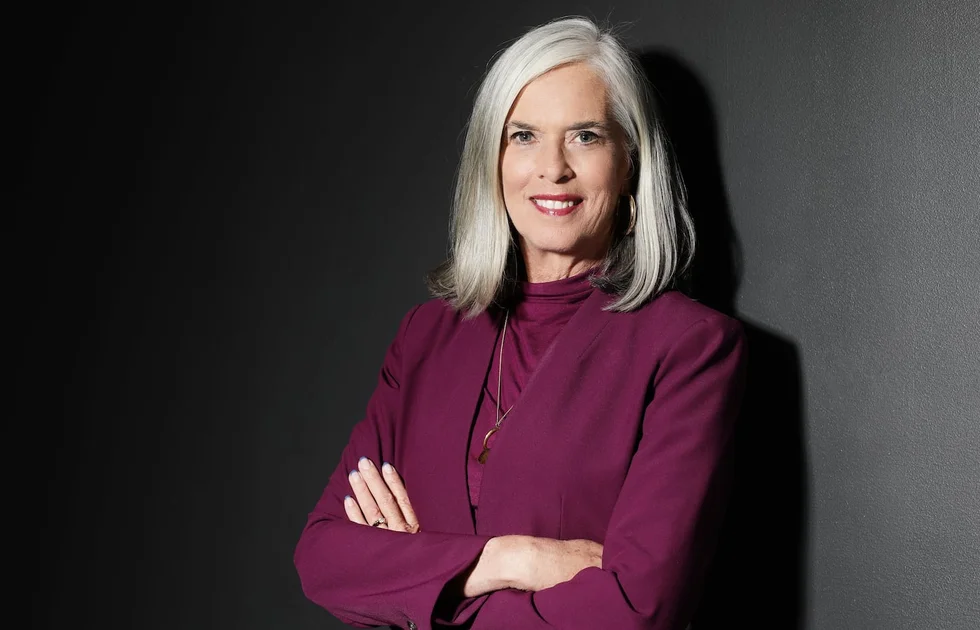
Katherine Clark Elected House Majority Leader
Massachusetts Congresswoman Katherine Clark was elected by her Democratic colleagues on Wednesday to serve as the next House majority leader, making history as the first woman to hold the position. The 63-year-old from Revere ran unopposed for the role in the Democratic leadership elections, according to CBS Boston.
"I'm honored to have earned the trust of my colleagues to serve as House Majority Leader," Clark said in a social media statement. "The American people sent us to Washington to deliver. Now it's time to lower costs and build a future where every family can thrive. Let's get to work."
The majority leader is the second-in-command to the Speaker of the House, a job widely expected to go to New York Rep. Hakeem Jeffries after he won the nomination from his Democratic colleagues by a vote of 251 to 11 on Wednesday. As majority leader, Clark will be responsible for the day-to-day management of the House floor and setting the legislative calendar.
Clark, currently the House minority whip, will be the highest-ranking House member from Massachusetts since Tip O'Neill was speaker in the 1980s. WBZ-TV political analyst Jon Keller noted that her position could mean millions of dollars in funding for the state, particularly after what he described as cuts to federal research grants during the last two years of the Trump administration.
A Historic First and a Rising Profile
Clark's elevation comes as Democrats prepare to take the majority in 2027 following historic wins in the November midterms. She will be the first woman to serve as the Democrats' floor leader. In an interview with WCVB-TV's "On the Record" on Sunday, Clark expressed excitement about the record 120 Democratic women who will serve in the House in the New Year.
"That is also a record for women participating in Congress. So both of those are very exciting," Clark said. "And I also feel a deep responsibility to represent the women and families that I have heard from around our district and around the country who are really hurting in this economy."
Clark, who previously served in the Massachusetts Legislature and on the Melrose School Committee, was sworn into Congress in 2013 after winning a special election to replace now-Sen. Ed Markey. Childcare issues have been a priority; she introduced the Babies Act in 2022 to support new mothers with access to birth centers and midwives. She was also an outspoken opponent of President Trump's "One Big Beautiful Bill," calling it "incredibly cruel" for cutting Medicaid and food stamps.
Challenges and Controversies
Failed Impeachment Vote Draws Criticism
Clark acknowledged on Sunday that the failed impeachment of Defense Secretary Pete Hegseth was a "terrible look" for Democrats fresh off their midterm victories. Eleven Democrats missed the vote, giving Republicans an opening to send the issue to committee, effectively killing it for the rest of the year.
"We have to take accountability for that in the end because we know exactly how many absences they would have had," Clark told WCVB-TV. "We would not have had a different outcome. But it's a terrible look one week after a landslide election not to be able to be there."
Progressive Pressure from Within
Clark's rise has not been without internal friction. A Boston Herald column by Joe Battenfeld suggested that Rep. Ayanna Pressley may be a better fit with House reformers, noting that many newcomers—including eight socialists—are more in sync with the progressive flamethrower. The column claimed that more than 140,000 progressive activists are urging Pressley to run for House Speaker, which would upend the line of succession that includes Clark and Jeffries.
Clark, however, is supporting Jeffries for speaker. "Hakeem has been a steady leader for us through the four years of minority ... and he has delivered a huge victory," she said. If elected as expected, Jeffries will be the chamber's first Black presiding officer.
Broader Implications
Clark's election as majority leader marks a significant milestone for women in Congress and signals the Democrats' intention to focus on economic issues and family support. Her role will be crucial in shaping the legislative agenda and managing floor proceedings. As the highest-ranking lawmaker from Massachusetts in decades, she is also poised to bring federal resources back to her state.
However, the internal party dynamics, with progressive voices pushing for more radical change, may present challenges for Clark and the Democratic leadership as they seek to maintain unity. The party's ability to govern effectively will depend on bridging these divides while delivering on promises made to voters.
With Democrats set to take control in January, all eyes will be on Clark as she assumes her historic role and navigates the pressures from both within her party and across the aisle. For more on the Democratic leadership shuffle, see our coverage of Hakeem Jeffries clinching the Speaker nomination.
Comments