
Nearly 100 Labour MPs Demand Rosebank Veto in Direct Challenge to Burnham
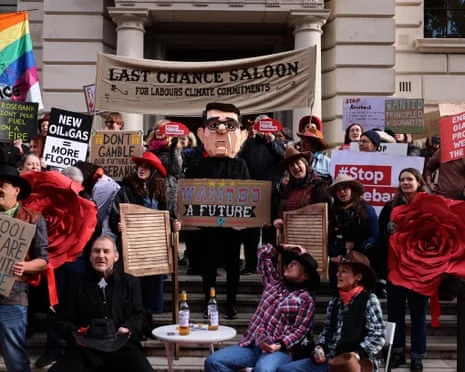
Ninety-two Labour MPs have signed a letter to Prime Minister Andy Burnham urging him to reject the Rosebank oilfield, the largest undeveloped field in UK waters. The letter, organised by Monmouthshire MP Catherine Fookes and sent today, includes signatures from at least four frontbenchers and several ministerial aides, according to the Guardian. The BBC reports that nearly 100 Labour MPs, including ministerial aides, oppose the project.
The intervention comes as Energy Secretary Miatta Fahnbulleh prepares to decide within weeks whether to grant drilling approval off the north-west coast of Shetland. The government has remained tight-lipped about its intentions, and those close to Fahnbulleh insist she has not yet made a decision. The letter is the most visible demonstration yet of the deep divides within Labour over the controversial project.
Resignation Threats Loom
Feelings are running so high that more than one frontbench ministerial aide is considering resigning if the project is approved, the Guardian has been told. The BBC also reports that the government could face resignations from junior ranks if Rosebank goes ahead. The podcast "Rosebank rebellion: are resignations next?" notes that potential resignations—including from the energy secretary herself—are not off the table.
Fahnbulleh has previously been regarded as personally opposed to the oil field, but she insisted last month that she alone would make the final decision and claimed the courts would ultimately side with her if colleagues attempted to overrule her. Other cabinet members, including Chancellor John Healey, have let it be known they would like to see the project given the go-ahead, while the prime minister has repeatedly said he wants a "pragmatic" approach to North Sea oil and gas.
A Party Divided
The letter exposes a widening rift in the Labour Party. On one side, Chancellor John Healey and many Scottish MPs are pushing for Rosebank to proceed, citing investment and tax revenues. On the other, dozens of MPs argue for rejection on climate grounds. Influential pro-Rosebank voices suggested that senior ministers had toned down vocal support as the decision draws closer—not because a veto is likely, but because any obvious attempt to pressure the energy secretary might leave her final decision subject to legal challenge.
Catherine Fookes, who helped organise the letter, rejected characterisations of the signatories as rebels. "We are not 'rebels', nor is this a 'civil war' inside the Labour party, as some headlines have tried to make out," she wrote in a Guardian comment piece. "It is a reflection of the reality that is playing out in our communities." She argued that Rosebank will do nothing to reduce energy bills because the oil belongs to private companies who will ship it to the highest bidder. "If Rosebank is approved, champagne corks will pop in the offices of oil giants," she said.
The timing is sensitive: this week confirmed millions of households face another winter of unaffordable energy bills, just as this summer's heatwaves were linked to more than 5,000 deaths in the UK. Fookes also referenced Storm Claudia's floods that swept through Monmouthshire one year ago, devastating hundreds of homes and businesses.
The Stakes for Burnham
Rosebank and the smaller Jackdaw gasfield have become the focus of a growing political battle over industrial policy and net zero that threatens to become Burnham's first major political crisis since entering Downing Street. Last month's approval of Jackdaw—a relatively small, short-lived project that could displace some imported gas—was met with unease but understanding from many MPs. Rosebank, however, is a different proposition: it contains mostly oil for export and is far larger than Jackdaw.
Supporters believe Rosebank could bring investment and tax revenues. Opponents counter that claims about its tax benefits are overinflated, rarely accounting for significant rebates companies claim for developing and decommissioning projects, and that in a depleted basin it will not turn the tide on declining production.
Broader Implications
The decision will test Burnham's authority over a party already concerned about his commitment to fighting climate change. It also carries legal risk: the government's tight-lipped approach reflects fears that overt political pressure could undermine the decision in court. The outcome will set a precedent for how Labour balances its net zero commitments against energy security and economic arguments—and could trigger the first resignations of Burnham's premiership.
Comments