
US-Iran Negotiations Show Progress as Blockade Hits New Milestone
President Donald Trump announced Saturday that the United States and Iran are “getting a lot closer” to reaching a peace deal, marking the most optimistic signal from the White House since the outbreak of hostilities in late February. Speaking to reporters, Trump confirmed he had seen a draft of a potential agreement but declined to provide details, saying only that negotiations were moving in a positive direction.
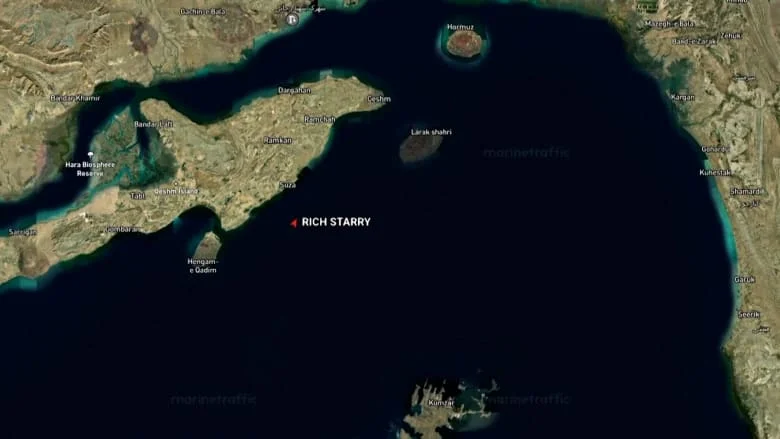
The president’s comments came the same day U.S. Central Command (CENTCOM) disclosed that American forces have now redirected 100 commercial vessels as part of the ongoing blockade against Iranian shipping. The blockade, imposed in mid-April, aims to pressure Tehran into reopening the Strait of Hormuz and accepting terms to end the conflict.
Secretary of State Marco Rubio, speaking alongside India’s Prime Minister Narendra Modi in New Delhi, echoed Trump’s cautious optimism, telling reporters that “some progress” had been made and that there could be “news later today or in the coming days.” Rubio reiterated the administration’s core demands: that Iran abandon its nuclear weapons program, open the Strait of Hormuz without imposing tolls, and turn over its enriched uranium stockpile.
Blockade Operations Intensify
The CENTCOM milestone of 100 redirected vessels underscores the scale of the maritime operation. Just days earlier, on May 20, the U.S. military boarded the Iranian-flagged oil tanker M/T Celestial Sea in the Gulf of Oman, suspecting it of attempting to breach the blockade. It was at least the fifth commercial vessel boarded since the blockade began.
According to the Associated Press, nearly 1,550 vessels from 87 countries remain stranded in the Persian Gulf, unable to transit the Strait of Hormuz, a critical chokepoint for global oil supplies. Before the conflict, Iran had selectively allowed some ships to pass while charging substantial fees, a practice the Trump administration has characterized as holding the global economy hostage.
Iran Submits New Proposal as Trump Weighs Military Options
Amid the heightened military posture, diplomatic channels have been active. A senior Iranian official told Drop Site News that Tehran has submitted its latest proposal to mediators, offering a framework for a potential deal. The proposal includes:
- Provisional reopening of the Strait of Hormuz, contingent on an end to the U.S. blockade
- Release of billions of dollars in frozen Iranian assets
- Compensation for war damages
- A commitment to negotiate the nuclear program immediately after a permanent ceasefire
The official said mediators reported that Trump “appears seriously interested in declaring an end to the war,” but cautioned that significant differences remain. “Since the American side insists on conducting the discussions solely within the framework of the nuclear issue, no meaningful progress was achieved regarding the proposals exchanged prior to the mediators’ visit,” the official added.
Trump’s Mixed Signals
Trump’s approach to negotiations has been characterized by repeated ultimatums and last-minute reversals. On Monday, he announced he had called off “a very major attack” on Iran, saying Gulf allies had asked for two to three days to pursue a diplomatic breakthrough. This followed a similar pattern in April, when initial talks in Pakistan failed to yield a deal, prompting Trump to extend the ceasefire indefinitely and maintain the blockade.
On Wednesday, Trump said negotiations were in their “final stages” but warned that “a little bit nasty” consequences could follow if no deal materialized. Axios reported Friday that Trump is “seriously considering launching new strikes against Iran barring a last-minute breakthrough.”
Meanwhile, the White House posted a graphic on X declaring “Justice will be served,” depicting Iranian Supreme Leader Ali Khamenei as “killed,” alongside images of Venezuelan President Nicolás Maduro and former Cuban leader Fidel Castro. The inflammatory messaging has further strained the atmosphere.
Domestic Pressure Mounts on Trump
The conflict is exacting a heavy toll at home. Gasoline prices have skyrocketed, and global energy markets are in turmoil. On Wednesday, Brent crude futures fell more than 6% to $104.64 per barrel amid optimism about a potential deal, but prices remain elevated compared to pre-war levels.
The Senate on Tuesday advanced legislation seeking to force Trump to withdraw from the Iran war, with a 50-47 vote that saw a growing number of Republicans defying the president. The political stakes are high ahead of November’s midterm elections, and Republican lawmakers are feeling the heat from constituents struggling with rising fuel costs.
Treasury Secretary Scott Bessent has urged allies to maintain pressure on Tehran, stating that bond yields and energy prices are “transient” and will ease once the conflict ends. Speaking at the “No Money for Terror” conference in Paris, Bessent called on world leaders to help “root out the financing that sustains” Iranian terrorism.
Military Posture Remains Aggressive
Despite the diplomatic overtures, the U.S. military continues to project force in the region. CENTCOM announced Wednesday that a U.S. Air Force B-1B Lancer conducted an aerial refueling exercise over Middle Eastern waters as part of a regional training mission. The bomber’s presence serves as a reminder of America’s long-range strike capabilities.
Iran has not been passive. Tehran has declared readiness for “every scenario,” and the senior Iranian official confirmed that plans for retaliatory strikes are in place if the U.S. and Israel resume attacks. The Islamic Republic maintains a chokehold on the Strait of Hormuz, effectively controlling the passage of oil tankers through one of the world’s most vital maritime corridors.
The Human and Economic Cost
The blockade and ongoing hostilities have disrupted global shipping, driven up energy prices, and created a humanitarian crisis in the region. Iran’s economy, already battered by years of sanctions, is under severe strain. The U.S. demand for the release of frozen Iranian assets is seen as a critical step toward any lasting agreement.
The conflict has also reshaped alliances. The Trump administration has expressed disappointment with NATO’s limited involvement, and Secretary of State Rubio recently voiced frustration over the lack of allied participation in military operations. Meanwhile, Gulf states, particularly Qatar and Saudi Arabia, have played key mediating roles, with Trump crediting them for brokering the recent pause in strikes.
What the Latest Developments Mean
The simultaneous progress in negotiations and intensification of military and economic pressure reflects the Trump administration’s dual-track strategy: squeezing Iran until it capitulates while keeping the door open for a diplomatic exit. However, the conflicting signals—optimistic statements from Trump and Rubio, combined with threats of renewed strikes and provocative White House graphics—create uncertainty about the administration’s true intentions.
The Iranian proposal, with its demand for upfront concessions on the blockade and frozen assets, represents a significant departure from earlier positions and suggests Tehran is eager for a resolution. However, the insistence on deferring nuclear talks until after a permanent ceasefire remains a sticking point, as the U.S. has made denuclearization the centerpiece of its demands.
For global markets, the stakes could not be higher. Oil prices have fluctuated wildly on every rumor of progress or setback. A durable peace would likely see prices drop sharply, easing inflationary pressures worldwide. Conversely, a breakdown in talks could trigger a new round of airstrikes, further destabilizing the region and sending oil prices soaring.
The coming days will be critical. With the Senate pushing for withdrawal, gas prices squeezing American households, and Trump’s own base showing signs of fatigue—as reflected in his approval ratings falling below 40% in all states—the president faces mounting pressure to deliver either a decisive victory or a negotiated end to the conflict.
As Rubio put it, “This issue needs to be solved, as the president said, ‘one way or the other.’” Whether that resolution comes through diplomacy or further escalation remains the defining question of this crisis.
Comments