
iOS 26.5 Arrives Next Week with Encrypted RCS, Fresh Wallpapers, and Smarter Reminders
Apple is set to release iOS 26.5 to all iPhone users next week, a mid-cycle update that brings several notable enhancements just weeks before the company unveils iOS 27 at WWDC 2026 on June 8. The update, which has been in beta since late March and reached Release Candidate status this week, focuses on security, personalization, and usability improvements rather than major overhauls.
According to Apple’s release notes, iOS 26.5 includes three headline features: end-to-end encrypted RCS messaging (in beta), a new Pride Luminance wallpaper with customizable colors, and Suggested Places in Apple Maps. However, beta testers and journalists have uncovered at least two additional changes: a revamped snoozing system in the Reminders app and support for a new monthly subscription model with an annual commitment in the App Store.
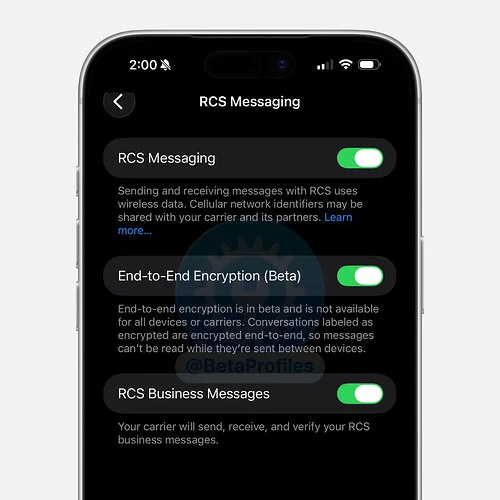
End-to-End Encrypted RCS: A Security Milestone
The biggest technical upgrade in iOS 26.5 is the addition of end-to-end encryption for RCS (Rich Communication Services) messages sent between iOS and Android devices. While Apple brought RCS support to the iPhone with iOS 18 in 2024, those messages lacked the robust encryption that iMessage users have enjoyed since iOS 5. With iOS 26.5, Apple is now rolling out encrypted RCS in beta, ensuring that messages sent between supported iOS and Android devices cannot be intercepted or read by Apple or any third party during transmission.
Apple has been clear that this feature depends on carrier support and will roll out gradually. Not all mobile network operators will enable encrypted RCS at launch, but the company expects adoption to accelerate once iOS 26.5 is publicly available. It is important to note that older SMS messages will still lack end-to-end encryption, meaning users who want the highest level of security for cross-platform chats will need both parties to be on supported carriers and devices.
This move aligns with growing global demand for secure messaging standards and positions Apple as a leader in cross-platform privacy. It also addresses long-standing criticism from security researchers and consumer advocates who argued that green-bubble conversations were inherently less secure than blue-bubble iMessage chats.
Personalization and Discovery: Pride Wallpapers and Maps Enhancements
Pride Luminance: A Wallpaper That Adapts
Each year, Apple releases a new Pride wallpaper to support LGBTQ+ communities, but iOS 26.5 takes this tradition to a new level with the Pride Luminance collection. Instead of a single static design, users now have 11 built-in variants to choose from, plus a custom option that allows them to select between one and twelve colors directly from the wallpaper editor.
The wallpaper is designed to feel alive. It follows the Liquid Glass visual style introduced in earlier iOS 26 builds, with colors that subtly shift when the iPhone is locked or unlocked. On devices with Always-On Display, the wallpaper transitions differently, creating a dynamic effect that changes throughout the day. Apple has also released a matching Pride Luminance watch face for watchOS 26.5, allowing users to create coordinated looks across iPhone, iPad, and Apple Watch.
Customization is straightforward. Users navigate to Settings, tap Wallpaper, choose Add New Wallpaper, select the Pride Luminance option, and then tap Custom to pick their preferred colors. The system offers dozens of shades and combinations, giving far more control than previous Pride wallpapers that relied on fixed rainbow themes.
Suggested Places in Apple Maps
Apple Maps gains a feature called Suggested Places, which appears when users tap the search bar. The tool displays two recommendations based on trending locations nearby and the user’s recent search history. Early beta testers have reported that the suggestions feel relevant and helpful, particularly for discovering new restaurants, shops, or attractions without actively searching for them.
However, there is a notable catch: Apple plans to begin showing ads in the Suggested Places section later this year, starting in the U.S. and Canada. Similar to ads already displayed in App Store search results, these advertisements will be clearly labeled with an “Ad” badge. Apple has stated that strong privacy protections will apply—user location data and ad interactions will not be linked to a user’s Apple Account. This approach echoes Apple’s broader strategy of expanding its services revenue while maintaining its privacy-first branding.
App Store and Reminders: Quality-of-Life Improvements
Monthly Subscriptions with Annual Commitment
Starting with iOS 26.5, app developers in most regions can offer a new subscription model: monthly payments with a 12-month commitment. This allows users to benefit from the discount typically associated with annual subscriptions without paying the full amount upfront. Instead, the annual price is divided into 12 equal monthly installments.
The rollout will cover nearly every country, with two notable exceptions: the United States and Singapore. Apple has not explained why these markets are excluded or when they might gain access. For developers, this model could improve conversion rates by lowering the barrier to entry for premium services, while for users, it offers a more manageable payment structure.
Reminders Snoozing Gets Specific
A smaller but widely appreciated change comes to the Reminders app. When a timed reminder fires, users can now see explicit times on snooze options rather than vague labels like “This Afternoon” or “This Evening.” For instance, in the morning, the options might read “Remind Me in 1 Hour,” “Remind Me at 3:00 PM,” and “Remind Me Tomorrow.” The second option dynamically adjusts based on the current time, so in the evening it might show “Tomorrow at 9:00 AM.”
This improvement addresses a long-standing user complaint about ambiguity. Many people found it frustrating not knowing exactly when a snoozed reminder would reappear. The change is expected to make the Reminders app more reliable for daily task management, especially for those who rely on it heavily for productivity.
Context: A Bridge to iOS 27
iOS 26.5 arrives at a transitional moment for Apple’s mobile software strategy. The company is just weeks away from unveiling iOS 27 at WWDC 2026 on June 8, making this update one of the last significant releases for the iOS 26 generation. Historically, Apple tends to reserve its largest innovations for the annual September release, but mid-cycle updates like 26.5 serve as important opportunities to refine features, address user feedback, and introduce key capabilities ahead of the next major version.
The emphasis on RCS encryption reflects Apple’s ongoing effort to improve cross-platform compatibility without sacrificing security. The Pride wallpaper and Maps personalization tools signal a broader push toward dynamic, user-driven customization that Apple has been quietly building across its ecosystem. Meanwhile, the new App Store subscription model and Reminders adjustments show attention to both developer economics and everyday user experience.
The timing also has a cultural dimension. Apple’s Pride wallpapers and watch faces are typically released in May or June to coincide with Pride Month, and the company has increasingly tied these releases to broader initiatives supporting LGBTQ+ communities. This year’s collection, with its unprecedented level of customization, appears designed to be more inclusive and personal than ever before.
Perspective: What This Update Signals for Apple’s Future
Viewed holistically, iOS 26.5 is more than a collection of minor upgrades. It demonstrates Apple’s continuing commitment to three strategic priorities: privacy, personalization, and services revenue.
Encrypted RCS addresses one of the last major security gaps in Apple’s messaging ecosystem. For years, the green-bubble divide was not just a social stigma but a real security concern. By extending end-to-end encryption to RCS, Apple closes that gap while still differentiating iMessage through features like richer integrations, Memoji, and augmented reality effects. This could also ease pressure from regulators who have scrutinized Apple’s messaging policies, particularly in Europe.
The Pride Luminance wallpaper and Suggested Places feature highlight how Apple is using its software to increase user engagement. Dynamic wallpapers encourage users to spend more time in the Settings app and personalize their devices, while Maps recommendations keep people inside Apple’s ecosystem rather than turning to Google Maps or Yelp. The planned introduction of ads in Maps is a clear revenue play, following the model Apple has already perfected in the App Store.
Finally, the Reminders and App Store changes show Apple paying attention to the details that define daily user experience. Small improvements to snoozing or payment options may not grab headlines, but they contribute to the polish that keeps users loyal to the iPhone platform.
For those following Apple’s broader trajectory, iOS 26.5 serves as a reminder that the company rarely rests between major announcements. While all eyes will soon turn to iOS 27 and whatever innovations it brings, this update ensures that iPhone users have something substantial to explore right now—whether that’s sending a truly private green-bubble message, crafting a unique wallpaper, or finally knowing exactly when that overdue reminder will pop back up.
Note: In other news, a water pistol mistaken for a firearm sparked a school lockdown, and severe weather continues to impact Florida as a tornado warning for Tallahassee remains in effect.
Comments