
Greggs Extends Heatwave Store Closures as UK Swelters Under Red Warning
Temporary Closures Continue as Extreme Heat Persists
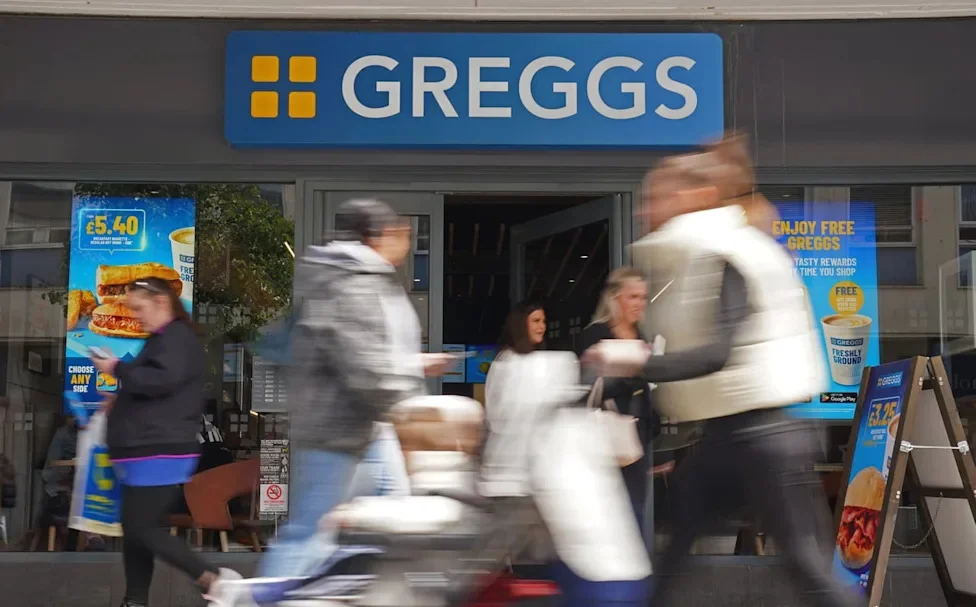
Greggs, the beloved high-street bakery chain, has extended the temporary closure of 11 of its stores across the UK as the nation endures a historic heatwave. The closures, initially announced for Wednesday 24 and Thursday 25 June, have now been prolonged following the Met Office's decision to extend its rare red extreme heat warning through Friday 26 June.
In a statement released on Friday morning, the company confirmed the affected shops would remain shut to protect staff and customers. “The safety of our colleagues and customers is our absolute priority. Due to the ongoing severe hot weather, we have taken the difficult decision to keep these stores closed,” a Greggs spokesperson said.
The closures affect two London outlets—Barnet and Leicester Square—as well as branches in Aldridge, Wolverhampton, Luton, Gosport, Trowbridge, Marlborough, Wantage, Dudley and Northampton. Employees at one London shop told the BBC they had been redeployed to other branches, describing conditions as “very hot” with “industrial ovens but no proper air conditioning in stores.”
Heatwave Forces Widespread Disruption Across Britain
The decision to close Greggs stores is part of a much larger wave of disruption sweeping the UK. More than 1,000 schools have either fully or partially closed their doors, with many citing safety risks from the extreme heat. Education Secretary Bridget Phillipson has urged parents to keep sending children to school if they remain open, warning that “every day of absence and lesson missed has a cost.”
Transport has also been severely impacted. Several railway operators have issued “do not travel” warnings, and the RAC reported a 20% increase in callouts for broken-down vehicles compared to usual Tuesday levels. The M25 and other major routes have seen significant delays, compounding the chaos for drivers already battling the heat.
The red weather warning, which initially covered central and southern England, has been extended south to coastal areas including Brighton, Bognor Regis, Portsmouth, Southampton, Bournemouth and Dorchester. An amber warning remains in place for eastern and central England through Friday. The Met Office has indicated further updates may be issued as the forecast evolves.
Why the Stakes Are High: Protecting People in Record Heat
Greggs’ Ovens Make Stores Unbearable
Greggs stores are typically equipped with large industrial ovens that run continuously, making them particularly vulnerable to overheating during extreme weather events. Unlike many modern offices or shops, many Greggs branches lack adequate air conditioning, leaving staff to work in dangerously high temperatures.
This is not the first time the chain has faced heat-related closures. During previous summer heatwaves, some branches have reduced operating hours or shut temporarily. However, the current closures mark the most extensive and prolonged shutdown in the company’s history, reflecting both the severity of this week’s temperatures—expected to reach 37°C in London and possibly 40°C in parts of the south—and growing awareness of heat-related health risks.
Wider Public Health Concerns
Health officials have warned that extreme heat poses a serious risk, particularly to vulnerable groups including the elderly, young children and those with pre-existing medical conditions. The UK Health Security Agency has issued a Level 4 heat-health alert, the highest possible, indicating a risk of significant illness and even loss of life among the otherwise healthy.
Liberal Democrat MPs have called on the government to immediately open air-conditioned public buildings—such as gyms, leisure centres and libraries—as “cool hubs” for vulnerable people. London Mayor Sir Sadiq Khan urged Londoners to “prioritise safety: stay hydrated, avoid being out in the sun, and check on vulnerable neighbours.”
The closures have also reignited debates about workplace safety and employers’ responsibilities during extreme weather. Trade unions have called for clearer guidelines on when it is safe to require staff to work in high temperatures, particularly in sectors like hospitality, retail and food production where heat exposure is unavoidable.
Broader Implications: A Pattern of Disruption
Climate Change and Heatwave Preparedness
This week’s heatwave is the latest in a series of extreme weather events that have increasingly tested the UK’s infrastructure. According to the Met Office, summers in Britain are getting hotter and heatwaves are becoming more frequent and intense due to climate change. The current red warning—only the second ever issued for extreme heat in the UK—comes just weeks after a record-breaking June heatwave saw temperatures top 40°C for the first time in British history.
The rapid escalation of heat-related disruptions is forcing businesses and public institutions to reconsider their resilience strategies. For chains like Greggs, which rely on in-store baking and high footfall, heatwaves pose a direct threat to operations. The company has not yet announced any long-term measures to mitigate heat risks, but industry observers expect that investment in air conditioning and heat-reflective building materials may become a priority.
Broader Economic and Social Impact
The economic impact of the heatwave is already being felt. School closures force parents to take time off work, while transport disruptions hinder commuters and supply chains. The retail and hospitality sectors, still recovering from pandemic-era losses, face another blow as customers stay home and businesses reduce hours.
For Greggs, which has become a staple of British high streets, the closures are more than a logistical headache—they risk damaging customer loyalty if perceived as a failure of planning. However, the company’s proactive approach to safety has also drawn praise from some quarters, particularly given the lack of government-mandated maximum working temperatures.
What This Changes
The current crisis is likely to accelerate calls for stronger heatwave regulations, including legally enforceable temperature limits for workplaces. It also underscores the need for better urban planning, including green spaces and reflective surfaces that can help reduce the “urban heat island” effect.
For homeowners and businesses alike, this week’s events highlight the growing necessity of adapting to a warmer climate. While some may dismiss extreme weather as transitory, the data suggests otherwise. As one Met Office spokesperson put it: “As the forecast continues to evolve, we may need to issue further updates once more detail becomes clear.” In other words, this is not the last heatwave—and the next one could be even worse.
Conclusion: A Wake-Up Call for Britain
Greggs’ extended store closures are a stark reminder that extreme heat is no longer a rare anomaly but a recurring threat. As the UK swelters under record temperatures, the need for robust, proactive measures—from workplace safety standards to public health interventions—has never been clearer.
For now, the 11 closed shops remain empty, their giant ovens silent, while staff are reassigned, customers go elsewhere, and the country waits for the mercury to drop. When it does, the conversation will inevitably turn to what must be done before the next heatwave hits. But this time, the message from the shops and schools and railways is unmistakable: Britain is not prepared for the heat—and the cost of inaction is mounting.
For further reading on related heatwave impacts, see our coverage of M25 Closures and Heatwave Crisis: London Drivers Face Nightmare Week and the Strawberry Moon 2026 Peaks June 29: Spiritual Meaning, Viewing Guide.
Comments