
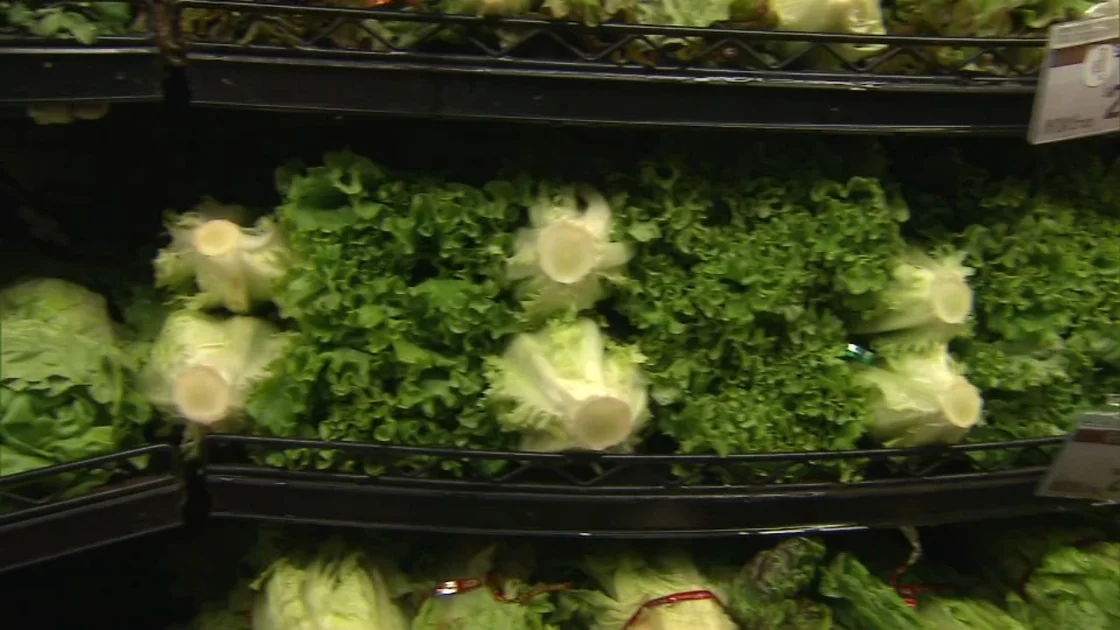
Outbreak Spreads to 17 States as Cases Rise
Federal health officials are racing to contain a multistate outbreak of cyclosporiasis linked to iceberg lettuce from Taylor Farms de Mexico, with the number of affected states now reaching 17. The Centers for Disease Control and Prevention (CDC) and the Food and Drug Administration (FDA) reported Thursday that Maine and Massachusetts have been added to the list, which already included Arkansas, Iowa, Illinois, Indiana, Kansas, Kentucky, Michigan, Missouri, Nebraska, New Hampshire, North Carolina, Ohio, Oklahoma, Pennsylvania, and West Virginia.
According to the CDC, the outbreak has caused 9,481 laboratory-confirmed cases, 398 hospitalizations, and two deaths. The agency notes that the true number of illnesses is likely higher, as many people with cyclosporiasis do not seek medical care, and routine stool tests often fail to detect the parasite. The investigation remains open, and the CDC is also monitoring other unrelated cyclospora outbreaks nationwide.
Recall and Product Details
On July 17, 2026, Taylor Farms de Mexico initiated a recall of all iceberg lettuce sourced from central Mexico. The recalled products were sold in various package types and distributed to at least 31 states, including restaurants and retailers. Taco Bell locations and Walmart's Marketside brand were among the major outlets affected. The CDC states that the best-by dates for these products have passed, so they should no longer be on store shelves. The FDA has launched on-site inspections at the company's facilities in cooperation with Mexican authorities.
What Is Cyclosporiasis and Why It Matters
Cyclosporiasis is an intestinal infection caused by the microscopic parasite Cyclospora cayetanensis. People become infected by consuming food or water contaminated with feces containing the parasite. Symptoms typically appear about one week after exposure, ranging from two days to two weeks or more. The most common symptom is watery diarrhea, which can be explosive and frequent, often accompanied by fatigue, loss of appetite, weight loss, cramping, bloating, and nausea. Without treatment, symptoms can last from a few days to more than a month, and the infection can be particularly severe for individuals with weakened immune systems.
Health officials emphasize that cyclosporiasis is treatable with specific antibiotics, but diagnosis requires a specialized stool test that is not part of routine screenings. People who experience persistent diarrhea and have consumed recalled lettuce should contact their healthcare provider and request cyclospora testing. Hydration is critical to prevent complications from dehydration.
The Record-Breaking Summer Surge
This outbreak is occurring against a backdrop of an unprecedented surge in cyclosporiasis cases across the United States. As of August 4, 2026, the CDC has reported over 22,000 confirmed or suspected cases in 47 states since May 1. That is a record high for the parasite, which typically peaks during the summer months when warm weather favors its survival. The FDA is currently investigating six separate cyclospora outbreaks nationwide, with the iceberg lettuce outbreak being the largest.
Michigan has been the hardest hit state, reporting over 12,485 cases, 279 hospitalizations, and two deaths, according to the Michigan Department of Health and Human Services. However, state officials say the outbreak appears to be slowing there. The connection between the various outbreaks remains unclear, and investigators are exploring other potential sources.
The Challenge of Tracing Cyclospora
Public health experts say cyclospora is notoriously difficult to trace compared to other foodborne pathogens. Unlike bacteria such as Salmonella or E. coli, the parasite is not commonly tested for, and many infections go undiagnosed or unreported. The incubation period is longer, and patients may not remember what they ate two weeks before becoming ill, complicating epidemiological interviews.
Donald Schaffner, a professor of food microbiology at Rutgers University, noted that many cyclospora outbreaks are never linked to a specific source. Delicate produce like leafy greens, berries, and pre-cut vegetables are especially challenging because the parasite can be difficult to wash off, and even thorough rinsing may not remove it.
Is Produce Safe to Eat?
Despite the outbreak, experts caution against a blanket avoidance of fresh fruits and vegetables. "I don't think there's enough evidence to suggest that we should stop eating fresh produce," Schaffner said in an interview. The vast majority of raw produce is safe, and the health benefits of a diet rich in fruits and vegetables outweigh the risks for most people. Consumers concerned about cyclospora can reduce their risk by washing produce thoroughly, although that may not eliminate all pathogens.
The CDC advises that anyone who has consumed recalled iceberg lettuce and developed symptoms should seek medical care. Public health officials also encourage people who become ill to cooperate with contact tracers, who may ask about foods eaten in the two weeks before symptoms began.
Looking Ahead: What This Means for Food Safety
The expansion of the outbreak and the record number of cyclospora cases raise broader questions about food safety and import practices. The recall of lettuce from central Mexico highlights the global nature of the fresh produce supply chain and the challenges of ensuring safety from farm to table. The FDA's on-site inspections in Mexico are part of a broader effort to identify lapses in production and prevent future contamination.
This outbreak also underscores the need for improved diagnostic tools and surveillance. As cyclospora cases continue to rise, public health agencies are calling for more widespread testing and faster reporting. Meanwhile, consumers are left to navigate a summer of uncertainty, balancing the desire for fresh produce with the need for caution.
The CDC and FDA are expected to provide further updates as the investigation progresses. For now, the message is clear: if you have symptoms of cyclosporiasis and may have eaten recalled lettuce, seek medical attention and mention the possibility of cyclospora infection.
The Human Toll
The two deaths and hundreds of hospitalizations associated with this outbreak serve as a sobering reminder of the real-world impact of foodborne illness. For many survivors, the infection can leave lingering effects, including prolonged fatigue and digestive issues. The outbreak has also disrupted supply chains and shaken consumer confidence in fresh produce, a staple of healthy diets.
In related news, the summer has brought other public health and community stories, from Wetherspoons bans loudspeaker calls and music in all 792 pubs after noise complaints to South East Water Outages: Thousands in Kent Face Days Without Supply, as communities across the globe contend with various challenges.
Practical Advice for Consumers
For those concerned about cyclospora, the CDC recommends the following:
- Contact your healthcare provider if you experience watery diarrhea, fatigue, or loss of appetite, especially after consuming recalled lettuce.
- Ask specifically for a cyclospora test, as routine stool tests may not screen for this parasite.
- Stay well-hydrated if you are ill, and seek medical care if symptoms are severe or persistent.
- Wash all produce thoroughly under running water before eating, even if you plan to peel or cook it.
- If you are contacted by public health officials, answer their questions to help investigators identify sources and prevent further spread.
As the investigation continues, experts advise vigilance rather than panic. The produce supply chain is robust, and recalls are a sign that the system is working to remove contaminated products. But this outbreak serves as a reminder that food safety requires constant attention from regulators, producers, and consumers alike.
Resources for the Public
The CDC and FDA have established dedicated web pages for this outbreak, with updates on locations, timelines, and recall information. Consumers can also sign up for alerts from the FDA to receive notifications about new recalls. State and local health departments are working closely with federal agencies to monitor cases and coordinate responses.
The outbreak is yet another example of how a single contaminated food item can have far-reaching consequences. With 17 states now affected, the need for a coordinated national response has never been more urgent. As federal agencies continue their investigation, the focus remains on protecting public health and preventing additional cases.
Comments