
US Loses Measles Elimination Status as Outbreaks Surge
The United States has lost its measles elimination status for the first time in 26 years, the Pan American Health Organization (PAHO) has confirmed, according to a report by the Wall Street Journal. The decision comes after the country experienced 12 consecutive months of sustained measles transmission, a key criterion for maintaining elimination status—defined as the absence of continuous disease transmission for 12 months or more in a specific geographic area.
The loss of elimination status marks a significant reversal for a country that achieved the milestone in 2000 after decades of vaccination efforts. The designation had been maintained continuously since then, even during periods of increased cases, until now.
Record Case Counts in 2026
The Centers for Disease Control and Prevention (CDC) reported 5,412 confirmed measles cases in 2026 as of November 12, a sharp increase from 2,289 cases in all of 2025. The 2026 figure represents the highest annual total in 35 years. Cases have been reported across 47 jurisdictions, including 47 states, the District of Columbia, and New York City, with only a handful of states not reporting any cases. Eighteen cases were among international visitors.
Outbreaks have been a major driver of transmission: 43 new outbreaks were reported in 2026, and 96% of confirmed cases (5,216) were outbreak-associated. Of those, 3,831 were linked to outbreaks that began in 2026, while 1,385 were tied to outbreaks that started in 2025 and continued into the new year. The 2025 data show 48 outbreaks and 90% of cases outbreak-associated, indicating a worsening trend from 2024, when 16 outbreaks were reported and 69% of cases were outbreak-associated.
Context: A Decades-Long Achievement Undone
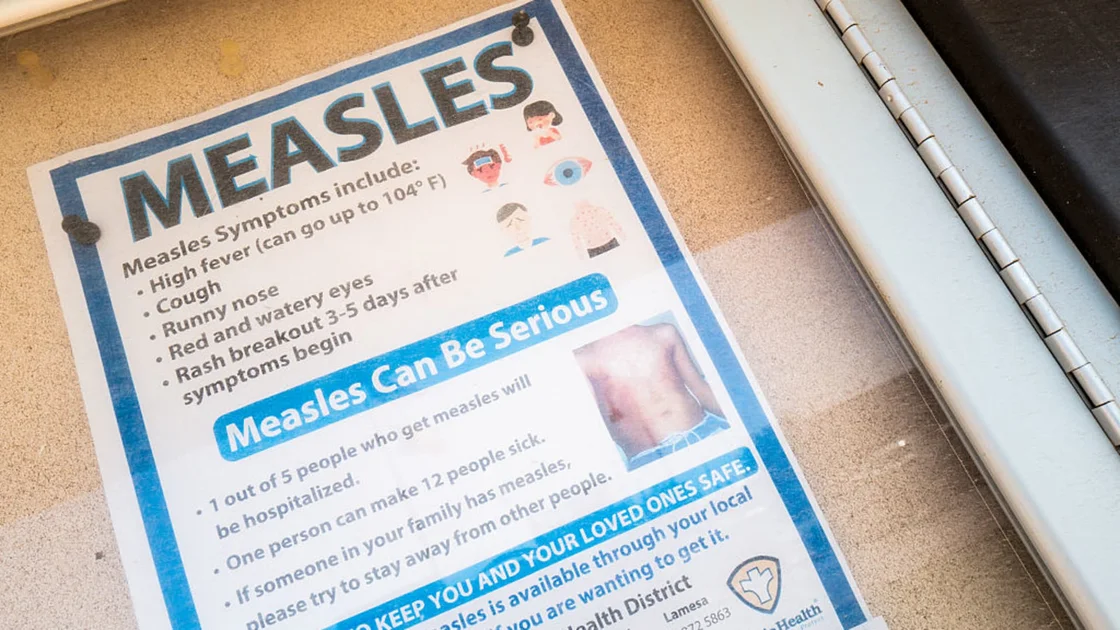
The loss of elimination status is not merely symbolic. It signifies that measles is once again circulating continuously within the country, increasing the risk of sustained outbreaks and making it more difficult to prevent the spread of the virus. Measles is highly contagious—up to 90% of susceptible individuals exposed to an infectious person will become infected—and can lead to severe complications, including pneumonia, encephalitis, and death, particularly in young children and immunocompromised individuals.
Vaccination Rates and Public Health Response
The resurgence has been linked to declining vaccination coverage. The CDC recommends two doses of the measles-mumps-rubella (MMR) vaccine for children, with the first dose at 12–15 months and the second at 4–6 years. A two-dose regimen is approximately 97% effective at preventing measles. However, vaccination rates have fallen in some communities, leaving pockets of susceptibility that allow the virus to spread.
The Protect Our Care statement, released on November 13, 2026, places blame squarely on the Trump administration and Health Secretary Robert F. Kennedy Jr., citing what it describes as an "anti-vax agenda" that has eroded public trust in vaccines. The statement claims that Kennedy used his platform to spread "debunked lies" about the measles vaccine and that an executive order signed in August made the vaccine less accessible and more expensive. It also notes that 10 measles deaths have been reported in 2026, and that by January 20, the US was already poised to lose elimination status after 12 straight months of transmission.
The CDC has faced criticism for its response, with Protect Our Care alleging that the agency only deployed additional resources to fight the crisis three weeks before the election—"two years too late." The CDC's data page, updated November 13, shows ongoing outbreak activity but does not comment on the elimination status decision.
Perspective: Broader Implications for Public Health
The loss of measles elimination status in the US has implications beyond its borders. The Americas region had maintained measles elimination status since 2016, and the US was a key part of that achievement. The revocation by PAHO, the regional office of the World Health Organization for the Americas, underscores the fragility of public health gains when vaccination coverage declines.
A Warning for Other Nations
Measles elimination is not a permanent state; it requires constant vigilance. The US joins a growing list of countries that have lost elimination status in recent years, including several European nations. This trend highlights the global challenge of maintaining high immunization rates in the face of vaccine hesitancy and misinformation.
For the US, regaining elimination status will require interrupting continuous transmission for at least 12 months, a goal that experts say is achievable only with a coordinated effort to boost vaccination rates, improve outbreak response, and rebuild public trust in vaccines. The CDC has emphasized the importance of vaccination, particularly for children, and has provided resources for communities experiencing outbreaks.
The coming months will be critical. With measles cases still being reported and outbreaks ongoing, the US faces an uphill battle to reclaim its elimination status. Public health officials and policymakers will need to address the root causes of undervaccination and ensure that all communities have access to accurate information and affordable vaccines. The stakes are high: measles is a preventable disease, and its resurgence is a stark reminder of what can happen when immunization coverage falters.
Comments