
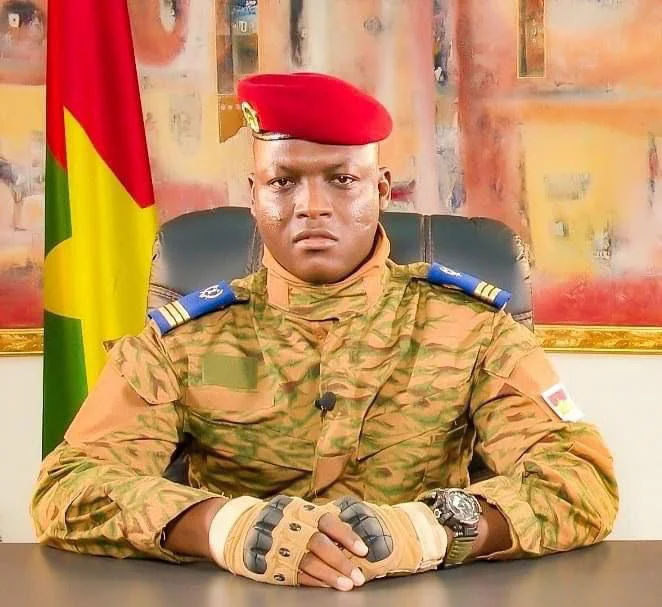
Burkina Faso Severs Diplomatic Ties with France
In a dramatic escalation of tensions with its former colonial ruler, Burkina Faso’s military government announced on June 26, 2026, that it is severing diplomatic relations with France with immediate effect. The decision, read on national television by Communications Minister Gilbert Ouedraogo, accused France of harboring “neo-colonial ambitions” and actively supporting “subversive networks and terrorists” destabilizing the Sahel. The move marks the most significant rupture yet between Paris and a Francophone African state under military rule, deepening a rift that has been widening since Captain Ibrahim Traoré seized power in a 2022 coup.
The government stated that “the essential conditions for promoting relations based on mutual respect, reciprocal trust, and respect for the principle of non-interference are not in place.” The announcement clarified that the break concerns only diplomatic ties and does not affect historical, cultural, or social links between the two nations.
A Pattern of Confrontation with the West
This severance follows a series of confrontations with Western institutions. Just days earlier, on June 18, the European Parliament overwhelmingly approved a resolution—476 votes in favor, 11 against—condemning the Traoré government’s crackdown on civic freedoms, media, and opposition figures. The resolution cited dissolution of civil society organizations, restrictions on journalists, and allegations of arbitrary detention and human rights abuses. In response, Burkina Faso’s government issued a formal diplomatic note on June 23, dismissing the resolution as “neo-colonial interference” and accusing the EU of ignoring the country’s security challenges and progress against insurgent groups.
Burkina Faso has repeatedly linked regional instability to the 2011 NATO intervention in Libya, arguing that the fallout fueled terrorism and arms flows across the Sahel. The government’s strategy has prioritized military operations over democratic processes, including dissolving all political parties in January 2026 and seizing their assets, a move analysts call a major blow to democracy.
Security Realities and International Isolation
The landlocked West African nation is battling multiple armed groups, including al-Qaeda-linked Jama’at Nusrat al-Islam wal-Muslimin (JNIM) and the Islamic State Sahel Province (ISSP), which control large areas in the north, south, and west. Meanwhile, Human Rights Watch has accused Burkina Faso’s military of ethnic cleansing of Fulani civilians, amounting to war crimes and crimes against humanity—allegations the government rejects as biased.
Despite the security crisis, Burkina Faso has sought to project economic resilience. The country’s tourism sector hit a record $165 million in revenue, even as insecurity persists. Yet the severance of ties with France—a key diplomatic and economic partner—risks further isolating the junta. France has historically been the largest foreign investor and aid donor in the region.
In a related move, the government recently blocked unauthorized study abroad, requiring government approval for overseas education, and has tightened control over dissenting voices. The cumulative effect suggests a sharp pivot toward Russia and other non-Western powers, mirroring trends in neighboring Mali and Niger, both also under military rule and hostile to French influence.
Broader Implications for the Sahel and Global Politics
Burkina Faso’s break with France is not an isolated event but part of a wider reconfiguration of alliances in West Africa. Since 2020, a wave of coups in Mali, Burkina Faso, and Niger has produced a bloc of juntas that reject Western-led counterterrorism frameworks and increasingly turn to Russia for security and political support. Wagner-linked private military contractors have already gained a foothold in Mali and the Central African Republic.
This trend challenges France’s longstanding role as the dominant external power in Francophone Africa and tests the EU’s ability to enforce human rights conditions in its foreign policy. The European Parliament’s resolution, though symbolic, reflects growing frustration with the junta’s trajectory. However, Burkina Faso’s government frames such criticism as hypocrisy, given the EU’s struggle with migration crises and its own handling of unrest in overseas territories.
For the broader Sahel, the diplomatic rupture could accelerate the fragmentation of regional security cooperation. The G5 Sahel joint force, already weakened, faces further marginalization as member states pursue bilateral deals with Russia or China. Meanwhile, ordinary Burkinabe citizens continue to bear the brunt of the conflict, with over two million internally displaced.
Conclusion: A Defining Moment for African Diplomacy
Burkina Faso’s decision to cut ties with France marks a historic low in Franco-African relations and signals that the region’s military rulers will not bow to Western diplomatic pressure. Whether this leads to improved security or deeper isolation remains to be seen. As the country pivots eastward, the international community faces a stark choice: engage with the junta on its terms or risk ceding influence to rivals. The coming months will test whether Burkina Faso can stabilize its security crisis without the diplomatic and economic support it has now renounced.
This article is part of ongoing coverage of geopolitical shifts in West Africa. For related analysis, see Drone Strike on Cargo Ship Shatters Fragile Strait of Hormuz Ceasefire and Netflix Axed a #1 Hit: The Boroughs’ Cancellation Sparks New Backlash.
Comments