
Drone Attack Rocks Strait of Hormuz as Iran Violates Ceasefire
A cargo vessel navigating the Strait of Hormuz was struck by a projectile on Thursday, June 25, 2026, shattering a fragile ceasefire and sending shockwaves through global energy markets. The British military confirmed the ship sustained damage to its bridge approximately 7.5 nautical miles off the coast of Oman, though no casualties or environmental impact were reported. The incident occurred just hours after Iran’s Islamic Revolutionary Guards Corps (IRGC) issued a stark warning that vessels transiting the waterway without Tehran’s permission were doing so "illegally."
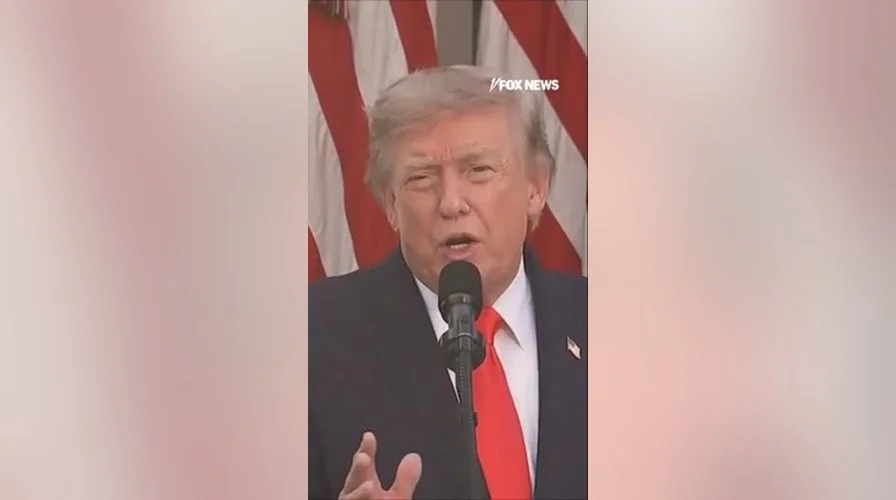
US President Donald Trump swiftly accused Iran of a "foolish violation" of the ceasefire agreement, posting on Truth Social that Tehran had fired at least four kamikaze drones at ships in the strait. While one drone hit a cargo vessel, the other three were intercepted. The targeted ship was later identified as a Taiwanese-operated vessel, according to US officials. Secretary of State Marco Rubio reiterated Washington’s rejection of any Iranian attempt to impose transit fees on ships passing through the strategic waterway.
UN Evacuation Scheme on Hold
In direct response to the attack, the International Maritime Organisation (IMO) announced a temporary pause in its ambitious plan to evacuate hundreds of stranded ships and thousands of seafarers from the Persian Gulf. The UN shipping agency had just unveiled a new coordinated route with Oman to safely move trapped vessels out of the region. The head of the IMO confirmed the scheme would remain suspended until concrete safety guarantees for ships on the evacuation list could be verified. Just prior to the attack, maritime data had shown a surge of 70 crossings using the new Omani route, suggesting some operators were emboldened by the perceived reduction in risk.
Why the Strait of Hormuz Matters: The Global Energy Artery
The Strait of Hormuz is one of the world’s most critical maritime chokepoints, connecting the Persian Gulf to the Gulf of Oman and the open ocean. Approximately one-fifth of the world’s total oil and natural gas consumption passes through this narrow channel daily. Before the recent conflict, tankers moved freely through designated corridors in the center of the strait. However, the war between US-led forces and Iran has transformed the waterway into a high-risk zone where military escorts are required, and insurance premiums have soared.
Oil Prices Retreat, Then Stutter
Interestingly, the price of Brent crude oil—the international benchmark—had been sliding toward pre-war levels before the attack. On Thursday, it hovered around $75 a barrel, briefly dipping to $72, its lowest point in nearly four months. This downward trend reflected growing optimism that the ceasefire might hold and that normal shipping operations could resume. The drone strike, however, immediately injected fresh uncertainty into the market. Oil traders are now weighing the risk of further disruptions against the possibility that the incident remains an isolated breach rather than a full-scale resumption of hostilities.
A History of Tensions and Transit Fees
The current crisis has deep roots. Iran has long asserted its right to control maritime traffic through the strait, arguing that it bears responsibility for safety and environmental protection. In recent weeks, Tehran raised the prospect of charging transit fees, a demand that Secretary of State Rubio described as "non-negotiable." Oman, which has acted as a mediator, has publicly stated that any joint system for managing maritime traffic would not involve fees. Yet Iran has been less definitive, saying it will work with Oman "to define future administration and maritime services in Strait of Hormuz." This ambiguity has kept regional powers and international shipping companies on edge.
Escalation Risks and Regional Fallout
The attack comes at a particularly volatile moment. While the United States and Iran are engaged in negotiations to end the broader war, with Tehran’s nuclear program being a central sticking point, military posturing continues on multiple fronts. Israel’s Defense Minister Israel Katz warned on Friday that the Israeli military is "ready to finish the job" in Iran if attacked again. This threat followed remarks by Quds Force commander Esmail Qaani, who declared that if Israel did not voluntarily withdraw from south Lebanon, it would eventually be forced out in defeat.
Nuclear Verification in Limbo
Rafael Grossi, head of the International Atomic Energy Agency (IAEA), told reporters in Japan that a "very strong" verification system would be needed in Iran after the war to ensure it does not develop nuclear weapons. He noted that an interim US-Iran accord gives UN inspectors access to Iran, but talks have only "barely initiated." Iran has consistently denied seeking nuclear weapons while insisting on its right to operate a full civilian nuclear program. The country suspended cooperation with the IAEA last July following a 12-day war with Israel, adding another layer of complexity to the negotiations.
Shipping Industry on Edge
For the global shipping industry, the Strait of Hormuz remains a high-stakes gamble. The Danish shipping giant Maersk reported that its container ship, the Maersk Baltimore, and another chartered vessel successfully exited the region on Thursday. However, Richard Meade, editor-in-chief of a leading maritime publication, noted that while some "opportunistic operators" are chasing the backlog of trapped cargoes, the attack has reminded everyone that the risk is far from gone. The incident has revived memories of the earlier stages of the war when dozens of vessels were trapped in the Gulf for weeks, leading to supply chain disruptions and skyrocketing freight costs.
Broader Implications: A Ceasefire Under Duress
The drone strike on the cargo vessel underscores the extreme fragility of the current ceasefire. It raises fundamental questions about whether the truce can hold long enough to allow for meaningful diplomatic progress or whether it will unravel in a series of tit-for-tat violations. The fact that Iran attacked a ship on a route explicitly established by the UN and Oman suggests either a deliberate act of provocation or a breakdown in internal command and control within the IRGC.
The Nuclear Dimension
The nuclear issue looms large over any eventual settlement. The IAEA’s Grossi stressed that intentions are not enough, and that verification must be "very strong" and implemented "as soon as is practicable." Yet the recent attack may harden positions on both sides. For the US and its allies, it reinforces the argument that Iran cannot be trusted to abide by agreements. For Iran, it may be seen as a necessary demonstration of strength to secure a better negotiating position.
Global Economic Ripple Effects
Beyond oil prices, the stability of the Strait of Hormuz affects everything from consumer goods to military deployments. A prolonged closure or regular disruptions would force tankers to take longer, more expensive routes around Africa, adding days to transit times and increasing carbon emissions. Insurance rates for vessels transiting the Gulf have already climbed sharply, and some companies are now requiring explicit military guarantees before sending ships through. If the ceasefire collapses entirely, the world could face a repeat of the supply chain chaos that marked the early months of the conflict.
In an era of polarized global politics, a crisis that mixes energy security, nuclear proliferation, and regional military power is particularly dangerous. The Strait of Hormuz is not just a shipping lane; it is the pressure gauge of the global economy. The attack on June 25 suggests that the needle is pointing again toward the red zone.
What Comes Next: A Narrow Window for Diplomacy
The next few days will be critical. The US and its allies must decide whether to retaliate militarily, which could escalate the conflict, or to pursue diplomatic channels, which could be seen as weakness. Iran, meanwhile, must balance its domestic hardliners, who favor a strong stance, against the economic devastation that a full-scale war would inflict on its already battered economy.
For seafarers and shipping companies, the uncertainty is paralyzing. The pause in the UN evacuation scheme means that hundreds of vessels remain trapped, with crews facing extended periods at sea under dangerous conditions. The IMO has not set a timetable for resuming operations, and it is unclear what guarantees would be sufficient to convince the agency that the strait is safe.
A Fragile Path Forward
The Trump administration has demonstrated a willingness to negotiate, as evidenced by the ongoing talks with Iran. However, the president’s combative rhetoric on social media suggests that patience may be wearing thin. Secretary Rubio’s dismissal of concerns over transit fees as "semantics" indicates that Washington views the issue as settled, but Tehran clearly sees it differently.
Meanwhile, the conflict has had unexpected spillover effects far beyond the Middle East. For example, the broader market uncertainty has contributed to volatility in other sectors, including energy-related equities and emerging market currencies. News about the Polestar being banned in the US earlier this month highlighted how geopolitical tensions are reshaping trade and investment patterns across industries.
Conclusion
The drone strike in the Strait of Hormuz is a stark reminder that peace in the Middle East remains elusive. While oil prices have yet to spike dramatically, the underlying volatility suggests that markets are pricing in a high probability of further disruptions. The ceasefire, already fragile, has been dealt a serious blow. Whether it can be repaired will depend on the willingness of both sides to de-escalate and to prioritize diplomacy over confrontation.
For now, the world watches warily. The Strait of Hormuz is open—but just barely. And every vessel that transits it does so under the shadow of a drone that may be circling overhead.
Comments