
A Canadian Boy’s Death from Rabies After a Bat Encounter While Sleeping
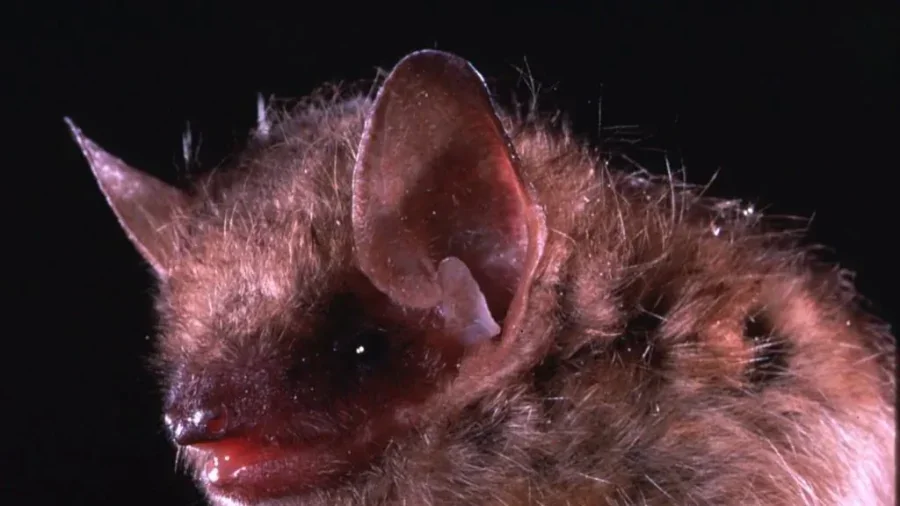
An 11-year-old boy from Ontario died of rabies in the summer of 2024 after waking to find a bat on his nose and mouth while sleeping at a family cottage. The tragic case, published Monday in the Canadian Medical Association Journal (CMAJ), has reignited urgent public health warnings about the hidden dangers of bat exposure, even in the absence of visible bite marks.
The boy, who was not named in the report, was staying with his family in northern Ontario when he woke in the middle of the night to the bat on his face. He immediately swatted it away, and his father captured the bat in a cooking pot and released it outside. Because the child appeared uninjured—no visible bite marks, scratches, or signs of erratic behavior from the bat—the family did not seek medical attention at the time.
Nineteen days later, the boy began experiencing facial tingling, numbness, and vomiting. Over the following days, his condition deteriorated rapidly. He was taken to an urgent care clinic, where doctors initially suspected Bell’s palsy or a herpes virus infection. He was prescribed antiviral medication and discharged. But his symptoms worsened: the right side of his face became weak, he developed a fever of 39°C (102°F), difficulty swallowing, and confusion. He also suffered from visual hallucinations.
Returning to the hospital, he was soon intubated and admitted to the pediatric intensive care unit. Tests confirmed rabies. Despite aggressive treatment, the boy lost brain stem function and died 17 days after admission. The case is the first locally acquired human rabies infection in Ontario since 1967.
Why This Case Matters: Rabies Is Almost Always Fatal Once Symptoms Appear
Rabies is a viral disease that attacks the central nervous system, causing severe brain inflammation that is almost always fatal once clinical symptoms develop. According to the U.S. Centers for Disease Control and Prevention (CDC), only a handful of people have ever survived rabies once symptoms began, and most with severe neurological deficits.
However, rabies is nearly 100% preventable if treated quickly after exposure. The standard postexposure prophylaxis (PEP)—a series of rabies vaccine doses and human rabies immune globulin—is highly effective when administered before symptoms start. The boy’s family did not seek PEP because they saw no bite or scratch. But experts note that bat bites can be so small they are virtually invisible, and many people may not realize they have been bitten.
“Any direct contact with a bat should be considered a potential rabies exposure, regardless of whether a bite or scratch can be seen,” said the CMAJ report’s lead physician. In this case, the bat was on the boy’s nose and mouth—mucous membranes that can also allow the virus to enter the body.
The boy’s parents, believing the bat was not acting erratically and that their son had no injury, did not suspect rabies. The disease has an incubation period that can last from weeks to months, meaning symptoms can appear long after the encounter, when it is too late for treatment.
The Role of Bats in Human Rabies Cases
Bats are the leading source of human rabies deaths in North America. The CDC reports that most domestically acquired rabies cases in the United States are linked to bat variants of the virus. Bat teeth are extremely sharp and fine, capable of delivering a bite that may not be felt, especially if a person is sleeping. Children, who have smaller body surfaces, may be especially vulnerable to undetected bites.
In Canada, rabies is rare: only 28 human cases have been reported since 1924. But the rarity often breeds complacency. This case marks the first Ontario-acquired human rabies infection in 57 years, underscoring that even low-incidence regions face real risks.
A Cascade of Missed Diagnoses and Emergency Room Visits
The boy’s clinical course illustrates how easily rabies symptoms can be mistaken for more common conditions. Initial signs—facial numbness, tingling, and weakness—led clinicians to suspect Bell’s palsy, a temporary facial paralysis often caused by viral infections. He was also treated for herpes gingivostomatitis, a viral infection of the mouth and gums. It was only after he developed confusion, hallucinations, and difficulty swallowing that the infectious disease team suspected rabies.
“Given the bat exposure and typical neurologic features, rabies was strongly suspected,” the report states. Laboratory testing from saliva, skin, and spinal fluid confirmed the diagnosis.
By that point, however, the disease was irreversible. The boy spent more than two weeks in intensive care before his brain stem failed.
Medical experts emphasize that public awareness is a critical barrier to prevention. Many families do not realize that touching a bat—especially a bat found in a bedroom—or waking up to find one on your body warrants immediate medical evaluation. The CDC advises that anyone who has direct contact with a bat, even if they are not sure they were bitten, should wash the area thoroughly and seek medical advice. If the bat can be safely captured, it should be tested for rabies.
What Public Health Officials Recommend
Health authorities in the U.S. and Canada now stress a simple protocol: any direct physical contact with a bat, or a bat found in a room with a sleeping person or unattended child, is a potential rabies exposure. PEP is safe and effective, and far less costly than the devastating outcome of a rabies death.
Vaccination of pets is also essential. In many cases, domestic animals can serve as intermediate hosts between bats and humans. Health officials also advise never handling bats with bare hands, and calling animal control for removal if a bat is found indoors.
Broader Implications: A Wake-Up Call for Families and Healthcare Systems
This tragedy is not an isolated story. Rabies remains a global scourge, causing tens of thousands of deaths yearly, mostly in Asia and Africa, where access to PEP is limited. But even in wealthy countries, rare cases slip through the cracks—often because of a lack of awareness.
Dr. William Schaffner, an infectious disease expert at Vanderbilt University Medical Center (not involved in the case), said the case “should serve as a wake-up call for every parent. If a bat is found in the room where a child is sleeping, assume the child has been exposed. Do not look for a bite mark—get them treated.”
The CMAJ report specifically notes that the boy’s parents did not think the bat was acting sick. But rabid bats can appear normal. Bats with rabies may be unable to fly, behave aggressively, or appear paralyzed, but some exhibit no unusual behavior at all.
Changing the Conversation About Rabies Prevention
Advocates say this case should shift public health messaging from “avoid sick animals” to “treat any bat encounter as a medical emergency.” Some hospitals have already begun updating triage protocols to include automatic rabies PEP for patients with unexplained neurological symptoms and a history of bat exposure.
The economic argument also favors prevention. A full course of PEP can cost several hundred to a few thousand dollars—but a single rabies hospitalization and death can run into hundreds of thousands of dollars, not to mention the incalculable human cost.
The Global Context: Rabies in a Warming World
While this case is centered in Ontario, the circumstances echo a broader trend. As climate change alters habitats, contact between humans and wildlife—including bat species known to carry rabies—is expected to increase.
Some experts believe that warming temperatures may allow bat populations to expand their ranges northward, potentially increasing the risk of human exposure in regions previously considered low-risk. The Extreme Heat Alerts Blanket Europe and US as July 4 Weekend Begins serve as a reminder of how changing weather patterns are forcing a reassessment of many health risks.
At the same time, public health systems are already strained by other seasonal pressures. As families head outdoors for summer vacations—a period when encounters with wildlife often rise—the message could not be more timely.
Conclusion: A Preventable Loss That Demands Action
The story of an 11-year-old boy who died from a disease that is almost entirely preventable is a painful reminder of the gaps in public knowledge. His parents did what most would do: they saw no wound and assumed the threat had passed. But rabies does not wait for a visible injury.
“This loss was entirely preventable,” said Dr. Theresa Tam, Canada’s Chief Public Health Officer, in a statement following the report’s release. “We need to ensure every family knows that a bat in the bedroom is not a nuisance—it is a potential medical emergency.”
As the Fourth of July weekend approaches and families gather in cottages, cabins, and campgrounds, health officials urge parents to be vigilant. If a bat is found in a sleeping area, do not hesitate. Seek medical care immediately. The life you save could be your child’s.
For more on how emerging technologies are reshaping public health monitoring, read about Meta's 'Watermelon' AI Matches OpenAI GPT-5.5, Claims Superintelligence Chief.
Comments