
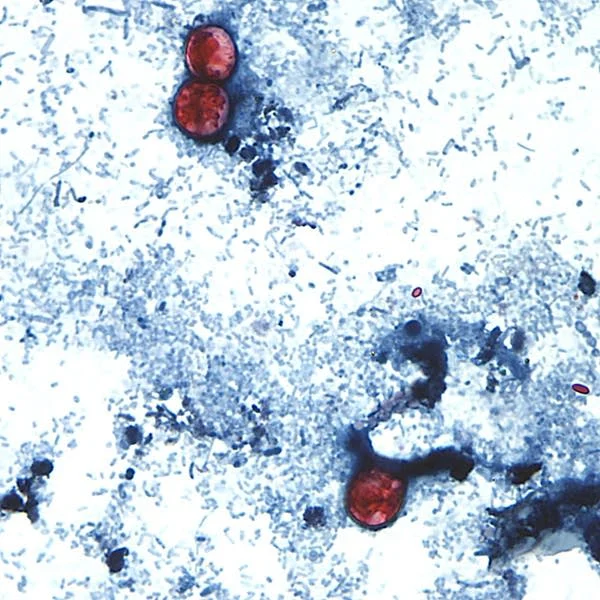
Michigan Reports Two Deaths as Cyclospora Outbreak Intensifies
The Michigan Department of Health and Human Services (MDHHS) confirmed Monday that two people who had contracted cyclosporiasis have died, marking a grim milestone in what federal officials describe as an unusually severe outbreak season. The individuals, whose identities were not released, had "significant underlying health conditions that may have been impacted by cyclosporiasis and dehydration," according to a state news release.
Cyclosporiasis is a gastrointestinal illness caused by the Cyclospora parasite, which is found in human feces and can contaminate food or water. While the infection is rarely fatal in the United States, the combination of severe diarrhea and vomiting can lead to dangerous dehydration, particularly in vulnerable patients. Dr. William Schaffner, an infectious disease specialist at Vanderbilt University Medical Center, explained that fluid loss is the primary concern in severe cases. "The parasite triggers an inflammatory response in the intestine, leading to profuse, watery diarrhea," he said. "For someone with underlying health issues, that can quickly become life-threatening."
The two deaths come as the Centers for Disease Control and Prevention (CDC) reports more than 11,000 confirmed cases of cyclosporiasis across 45 states since May 1. Michigan has been the epicenter of the outbreak, with 10,773 confirmed cases and 193 hospitalizations as of late July. The state health department added 1,373 new cases in a single week between July 27 and August 2, signaling that the outbreak has not yet peaked.
Hospitalization Rates and Demographic Impact
While most healthy individuals recover from cyclosporiasis without medical intervention, the sheer volume of cases has overwhelmed some regional health systems. In Ohio, the state health department has reported 4,013 cases as of July 25, up from 2,576 just a week earlier. North Carolina has documented 718 cases and 24 hospitalizations since May 1, with 157 new cases and eight additional hospitalizations reported between July 21 and August 2.
Adults ages 55 and older have been disproportionately affected, accounting for 264 of North Carolina's cases. Adults ages 19 to 54 represent another 447 cases. Health officials note that older adults are more susceptible to severe dehydration and may have underlying conditions that complicate recovery.
The Source: Contaminated Lettuce from Taylor Farms
Federal and state investigators have linked the largest cluster of cases to shredded iceberg lettuce supplied by Taylor Farms, a major produce distributor. The lettuce was grown in central Mexico and distributed to Taco Bell restaurants across at least nine states, including Indiana, Kentucky, Michigan, Ohio, West Virginia, Illinois, Kansas, Oklahoma, and Pennsylvania.
On July 17, Taco Bell removed shredded iceberg lettuce from all U.S. locations, and Taylor Farms issued a voluntary recall of all iceberg lettuce sourced from central Mexico. The recall covers product shipped to 27 states, but health officials warn that other brands or distribution channels may also be affected as the investigation continues.
The CDC has identified multiple clusters of cyclospora cases across the country, suggesting that the current outbreak may involve more than one contaminated food product. Recent patient interviews in North Carolina have pointed to raw parsley and cilantro as commonly consumed items among those who fell ill, though health officials caution that many patients reported no exposure to either herb.
How the Parasite Spreads
Cyclospora is a microscopic parasite that is transmitted through the fecal-oral route, typically when contaminated food or water is consumed. Unlike many foodborne pathogens, Cyclospora does not spread from person to person directly. The parasite must sporulate in the environment, which typically takes one to two weeks after being passed in feces, before it becomes infectious.
Fresh produce, particularly leafy greens and herbs, can become contaminated if irrigation water contains human sewage or if handlers practice poor hygiene. Washing produce can reduce but not eliminate the risk, as the parasite can adhere tightly to leaf surfaces. Cooking food to an internal temperature of 165 degrees Fahrenheit is the most effective way to kill the parasite.
Why This Outbreak Is Different
The current outbreak is notable not only for its geographic scope but also for its persistence. Since May 1, the CDC has received reports of 6,707 laboratory-confirmed cases of domestically acquired cyclosporiasis, a number that has increased by more than 2,500 in just two weeks. The agency estimates that an additional 11,500 suspected cases are awaiting confirmation, suggesting the true toll may be significantly higher.
Historically, cyclosporiasis outbreaks in the U.S. have been relatively small and contained. The last major outbreak, in 2018, sickened 2,418 people across 33 states and was linked to cilantro from Mexico. This year's outbreak has already surpassed that total by a wide margin, and the case count continues to climb.
Michigan has been particularly hard hit. The state's case count of 10,773 is more than the total number of cases reported nationwide in any previous year. Health officials attribute the spike to a combination of factors, including the widespread distribution of contaminated lettuce and the fact that Cyclospora infections often go undiagnosed or unreported because symptoms can mimic other gastrointestinal illnesses.
The Human Toll
The deaths in Michigan underscore the potential severity of an infection that many people mistake for a routine stomach bug. Cyclosporiasis symptoms typically appear one to two weeks after exposure and include watery diarrhea, cramps, bloating, nausea, fatigue, and low-grade fever. Left untreated, symptoms can persist for weeks and may relapse.
Dr. Schaffner emphasized that prompt treatment with antibiotics such as Bactrim (trimethoprim-sulfamethoxazole) can shorten the course of the illness and reduce the risk of complications. However, many patients do not seek medical care until dehydration has already set in. "The key is early recognition and hydration," he said. "If you have persistent diarrhea that lasts more than a few days, especially if you are older or have underlying health conditions, you should see a healthcare provider."
Regulatory Response and Legal Ramifications
The outbreak has triggered a multi-agency federal investigation. The CDC, the Food and Drug Administration (FDA), and state health departments are working to trace the source of contamination and identify all affected products. FDA investigators have visited farms in central Mexico and are conducting traceback analysis on lettuce shipments.
The response has also drawn scrutiny from Congress. Lawmakers have launched a probe into the government's handling of the outbreak, focusing on whether import inspections were adequate and whether recalls were issued in a timely manner. The investigation has been complicated by the fact that Taylor Farms recalled lettuce only after Taco Bell removed it from its restaurants, raising questions about the speed of communication between the company and federal agencies.
Legal action is already underway. Taylor Farms Lawsuit Mounts as Congress Probes Cyclospora Response reports that multiple personal injury lawsuits have been filed on behalf of individuals who contracted cyclosporiasis after eating at Taco Bell or consuming Taylor Farms lettuce. Plaintiffs allege negligence in the sourcing and handling of produce, and attorneys are seeking damages for medical expenses, lost wages, and pain and suffering.
The recalls have also had ripple effects across the food industry. Product Recalls Surge: Cyclospora, Salmonella, Allergen Alerts Hit U.S. notes that the frequency of recalls has increased across multiple categories, partly due to enhanced testing by producers and regulators. While this is a positive development in terms of food safety, it has also led to supply disruptions and higher costs for consumers.
What This Means for Food Safety Going Forward
The scale of the 2026 Cyclospora outbreak has exposed vulnerabilities in the fresh produce supply chain, particularly for items imported from regions where irrigation and sanitation standards may differ from domestic practices. Leafy greens and herbs are among the most commonly implicated vehicles in foodborne illness outbreaks, and the FDA has long recognized them as a priority for regulatory oversight.
The agency's Food Safety Modernization Act (FSMA) includes produce safety rules that require farms to implement preventive measures against contamination, including testing water sources and ensuring proper use of compost. However, importers are often held to less rigorous standards, and inspections of overseas farms are infrequent due to resource constraints.
Consumer behavior may also shift. Health officials recommend washing all produce thoroughly under running water and scrubbing firm surfaces with a brush. But as the current outbreak demonstrates, washing alone is not sufficient to remove Cyclospora oocysts, which are resistant to routine cleaning. The only foolproof prevention is cooking produce or avoiding high-risk items altogether when an outbreak is active.
Global Implications
The U.S. outbreak may also have international dimensions. UK Cyclospora Outbreak: 67 Cases Linked to Mexico Travel, US Lettuce Scare reports that health officials in the United Kingdom have identified 67 cases of cyclosporiasis among travelers who recently returned from Mexico. While the UK cases are not directly tied to the lettuce recall, they suggest that the parasite may be more widespread in the Mexican food supply than previously thought.
Public health experts say that the Cyclospora outbreak is a wake-up call for governments and the produce industry worldwide. "This is not a one-off event," said Dr. Schaffner. "Globalization of the food supply means that a single contaminated field can sicken people thousands of miles away. We need stronger international cooperation on food safety standards and faster sharing of information when outbreaks occur."
For now, the immediate focus remains on containing the current outbreak. State health departments are urging anyone with symptoms consistent with cyclosporiasis to seek medical attention and to mention any recent consumption of lettuce, parsley, or cilantro. The CDC recommends that healthcare providers report confirmed cases to their local health department to help track the outbreak's progression.
As the investigation continues, health officials expect case counts to rise further. "We are still in the middle of this," said Dr. Schaffner. "The lettuce has been recalled, but contaminated produce may still be in freezers and refrigerators. It's critical that consumers check for recalls and discard any affected products."
The Michigan deaths serve as a somber reminder of the stakes. While cyclosporiasis rarely kills, the outbreak has shown that even a parasite that is often dismissed as a nuisance can be deadly when it strikes vulnerable populations. As health officials work to identify the full scope of the outbreak, they are also planning for a future where such events may become more frequent. Climate change, global trade, and evolving agricultural practices are all likely to influence the spread of foodborne pathogens in the years to come.
For consumers, the best defense is vigilance. Check recall lists regularly, wash produce thoroughly, and pay attention to symptoms. And if you develop persistent diarrhea, especially after eating at a restaurant or consuming fresh produce, don't ignore it. Early treatment can make all the difference.
Comments