
Orange Alert in Extremadura: Temperatures Could Hit 40°C
On Friday, July 3, 2026, the entire Spanish region of Extremadura was placed under an orange alert (alerta naranja) for extreme heat, with maximum temperatures expected to reach or exceed 40°C (104°F) in many areas. The warning, issued by the 112 Extremadura emergency service, will remain active between 1:00 p.m. and 9:00 p.m., coinciding with the hottest hours of the day. Both the provinces of Badajoz and Cáceres are affected, placing Extremadura among the hardest-hit regions in the country.
The alert comes as a broader heat wave sweeps across Spain. According to the State Meteorological Agency (AEMET), nine autonomous communities are under weather warnings for high temperatures, wind, or rough seas on Friday. In addition to Extremadura, several provinces in Andalusia and the province of Pontevedra are also under orange heat warnings.
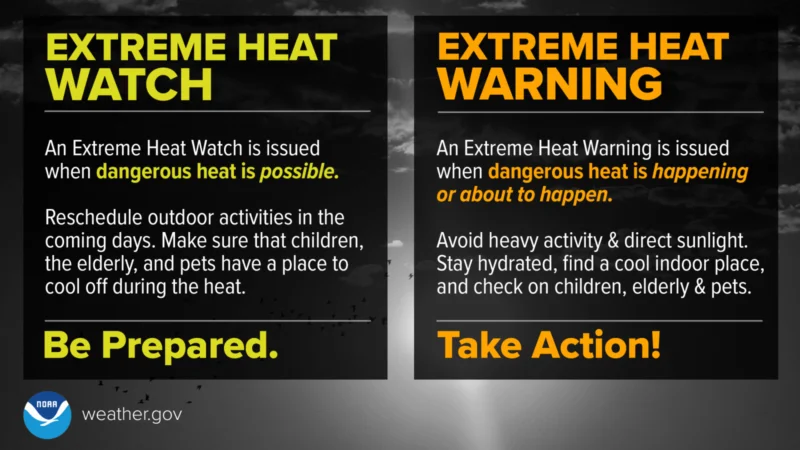
Local authorities have issued a series of recommendations for residents: avoid sun exposure during central hours, stay well hydrated, reduce outdoor physical activity, and pay special attention to vulnerable populations such as the elderly, children, people with chronic illnesses, and outdoor workers. The heat also brings a high risk of wildfires, with nearly 80% of Extremadura’s municipalities facing extreme or very high fire danger, according to related reports.
New York City Under Heat Advisory: Feels Like 115°F
Across the Atlantic, the U.S. East Coast is also in the grip of a dangerous heat event. New York City remains under an extreme heat advisory through 9 p.m. on Saturday, July 4, with the heat index forecast to reach between 105°F and 115°F (about 41°C to 46°C) during the afternoons. Meteorologists warn that the combination of high temperatures and intense humidity is creating hazardous conditions, especially for those spending prolonged periods outdoors.
This intense heat wave arrives just before the July 4 weekend, one of the busiest outdoor holiday periods in the United States, when millions of Americans travel, attend parades, and watch fireworks displays. Forecasts show maximum temperatures in New York City could approach 100°F (about 38°C) on both Thursday and Friday, with oppressive heat and humidity persisting into Saturday. If the city reaches 100°F, it would be the first time since 2012. Two consecutive days of 100°F would be an event not seen since 2011.
New York City officials have activated emergency measures, including expanded cooling centers and public health warnings. Mayor Mamdani has urged New Yorkers to take precautions and seek relief in air-conditioned spaces. In some parts of New Jersey, the heat index could spike to 115°F, while the New York metropolitan area is bracing for heat indices near 110°F.
Why This Heat Wave Matters: Health Risks and Record-Breaking Potential
The simultaneous heat extremes on two continents underscore the severity of the ongoing climate-driven heat wave season. In Spain, the orange alert represents the second-highest level of warning, indicating a significant risk to health and property. AEMET’s Meteoalerta system bases its thresholds on historical temperature data for each zone—for example, in the Madrid metropolitan area, a yellow alert starts at 34°C, while red is triggered above 42°C.
Spain’s Ministry of Health operates a parallel heat health alert system that divides the country into 182 meteosalud zones. For the current period, these alerts factor in the cumulative effect of heat over a 72-hour window, since persistent heat has a stronger impact on mortality than isolated hot days. The system uses temperature thresholds tied to regional increases in death rates.
In the U.S., the heat index—which combines temperature and humidity—is the primary measure of danger. At levels above 105°F, the risk of heat cramps, heat exhaustion, and heat stroke rises sharply. The current New York heat advisory warns that such conditions are especially dangerous for those without access to air conditioning or who must work outdoors.
Vulnerable Populations at Greatest Risk
Government and emergency services in both regions emphasize that the elderly, children, people with chronic medical conditions, and outdoor workers are most vulnerable during extreme heat events. In Spain, the 112 emergency service specifically singled out these groups in their alert. In New York, officials have expanded access to cooling centers across the five boroughs.
The combination of high heat and humidity can overwhelm the body’s ability to cool itself through sweating, leading to potentially fatal heat stroke if not treated promptly. Symptoms include confusion, hot dry skin, rapid pulse, and loss of consciousness.
Broader Context: A Summer of Extremes
This extreme heat event is not occurring in isolation. Just one day earlier, on July 2, Argentina was under a yellow alert for extreme cold, with a polar air mass dropping temperatures to 1°C (34°F) in Buenos Aires and prompting school closures in Mendoza. The contrast highlights the erratic and severe weather patterns affecting multiple continents simultaneously.
The heat wave also has implications for major events taking place this weekend. The Tour de France 2026 Faces Historic Heatwave Threat as Pogacar Chases Fifth Title, as riders contend with potentially dangerous conditions on the road. Meanwhile, in the U.S., the MLB Dons Patriotic Threads for America’s 250th Fourth of July Baseball Celebration, and many fans will be attending outdoor games under the sweltering heat.
Fire and Power Grid Risks
Extreme heat also raises the risk of wildfires, especially in dry regions like Extremadura. With nearly 80% of the region’s municipalities at extreme or very high fire risk, firefighting services are on high alert. In New York, the combination of high energy demand for air conditioning and heat-related infrastructure stress could lead to power outages.
What This Changes: A New Normal for July?
The dual alerts in Europe and North America on the cusp of a major holiday weekend represent more than a weather event—they signal a shift in how societies must prepare for and respond to extreme heat. Both Spain and the U.S. have sophisticated alert systems, but their effectiveness depends on public awareness and infrastructure resilience.
In Spain, the health alert system now accounts for cumulative heat exposure over three days, acknowledging that a single hot day is less dangerous than a sustained heat wave. This has led to more nuanced warnings that can mobilize public health resources earlier. In New York, the decision to keep cooling centers open through the holiday weekend and to issue public appeals from the mayor’s office reflects a growing recognition that extreme heat is a recurring public health emergency, not a one-off anomaly.
Long-Term Trends
Scientists have linked the increasing frequency and intensity of heat waves to global climate change. The current event fits a pattern of earlier and more intense summer heat in both the Mediterranean basin and the northeastern United States. For example, New York has not recorded consecutive 100°F days since 2011, but such occurrences may become more common.
The impacts extend beyond human health. Agriculture, energy systems, transportation, and tourism all feel the strain. In Extremadura, a key agricultural region, the extreme heat can damage crops and stress livestock. In New York, public events like the Macy’s fireworks display may face heat-related adjustments or delays.
Practical Advice for Staying Safe
Authorities on both sides of the Atlantic have issued similar guidance for dealing with extreme heat:
- Stay indoors during peak heat hours, typically 1:00 p.m. to 9:00 p.m. in Spain, and the afternoon in the U.S.
- Drink plenty of water, even if you do not feel thirsty.
- Avoid alcohol and caffeine, which can dehydrate.
- Wear lightweight, light-colored, and loose-fitting clothing.
- Use fans or air conditioning; if you lack AC, seek public cooling centers.
- Check on elderly neighbors and relatives.
- Never leave children or pets in parked cars.
- Recognize signs of heat exhaustion (heavy sweating, weakness, dizziness) and heat stroke (hot red skin, confusion, unconsciousness).
For Spain’s orange alert zones, these actions may be life-saving. In New York, where the heat index will remain dangerously high through Saturday, the same precautions apply.
Outlook for the Weekend
Forecasts suggest that the heat will persist in both regions through the weekend. In Extremadura, temperatures are expected to remain high through Saturday, while in New York, relief may not arrive until Sunday or Monday. Travelers heading to the beaches or participating in holiday festivities should prepare for the heat and monitor local alerts.
Meanwhile, Argentina’s polar chill is a stark reminder that summer extremes in one hemisphere are mirrored by winter extremes in the other. As the planet warms, such contrasts are likely to become sharper and more frequent.
The extreme heat alerts on July 3, 2026, are not just news—they are a call to action for individuals, communities, and governments to adapt to a hotter world. Whether in the sun-scorched plains of Extremadura or the humid canyons of New York City, the message is the same: heat is a hazard, and preparation is essential.
Comments