
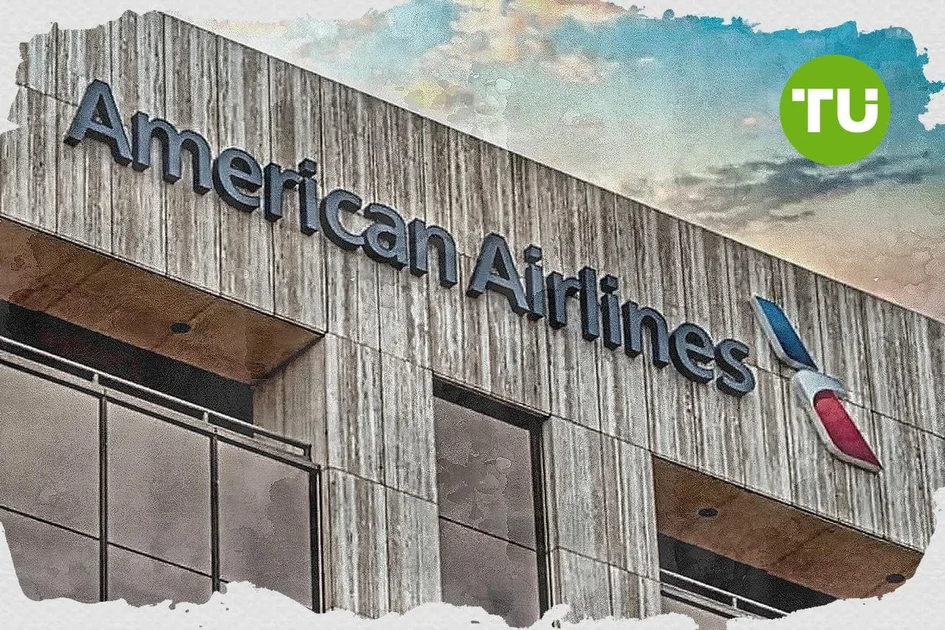
American Airlines Shares Surge in Premarket Trading
American Airlines Group Inc. (NASDAQ: AAL) grabbed investor attention on Thursday, April 17, 2026, as its shares recorded notable gains during premarket trading. The movement reflected a broader wave of market interest in the airline sector, with traders responding to a combination of analyst commentary, shifting demand signals, and macroeconomic crosscurrents that have defined the first half of 2026 for aviation stocks.
The premarket uptick in AAL shares follows what has been a volatile stretch for U.S. airline equities. While no single dramatic catalyst appears to have driven Thursday's move in isolation, market participants interpreted the confluence of analyst activity and recent industry data as broadly positive for the Fort Worth-based carrier.
Key Drivers Behind Thursday's Movement
According to reports from financial media outlets tracking the stock's intraday behavior, investor sentiment shifted positively as Wall Street analysts reassessed their outlooks on the major U.S. carriers. American Airlines, as one of the largest passenger airlines in the world by fleet size and revenue, tends to attract outsized attention when sector-wide sentiment turns. Thursday's premarket action suggested that at least a portion of the market saw value in AAL at its current price levels, even as broader equity indices continued to navigate a choppy environment shaped by tariff concerns and interest rate uncertainty.
Why This Matters for American Airlines and the Broader Airline Sector
The stakes for American Airlines heading into mid-2026 are considerable. The carrier has spent much of the past two years executing a strategic pivot after acknowledging in late 2023 and 2024 that an over-reliance on direct bookings at the expense of travel agency partnerships had cost it significant corporate travel revenue. Under CEO Robert Isom, the company has worked methodically to repair those relationships and recapture market share in the lucrative business travel segment.
Earnings Season Sets the Stage
With first-quarter 2026 earnings season underway across the airline industry, investors are particularly sensitive to any signals about forward guidance. American Airlines is expected to report its Q1 2026 results in the coming days, and Thursday's premarket activity may partly reflect positioning ahead of that announcement. Analysts have been scrutinizing load factors, yield trends, and cost management — particularly fuel costs — as they refine their models.
The broader context is one of cautious optimism tempered by real headwinds. Jet fuel prices remain elevated compared to pre-pandemic norms, and while leisure travel demand has held up relatively well through early 2026, there are emerging signs that consumer spending on discretionary categories, including air travel, may begin to soften if economic uncertainty persists. Tariff tensions between the United States and several trading partners have added a layer of unpredictability to both consumer confidence and business investment decisions — both of which have downstream effects on airline traffic.
Labor and Operational Pressures Remain in Focus
Beyond demand dynamics, American Airlines continues to manage a complex operational picture. The company reached new labor agreements with several employee groups over the past 18 months, agreements that improved workforce stability but also added to the carrier's cost base. Balancing those higher labor costs against the need to keep fares competitive — particularly on routes where low-cost carriers remain aggressive — is an ongoing challenge that analysts continue to monitor closely.
The airline has also been investing in fleet modernization and cabin upgrades, moves intended to improve the customer experience and support premium fare revenue. Progress on those initiatives will likely feature prominently in the upcoming earnings call.
Broader Implications: What AAL's Stock Movement Reveals About Investor Appetite
Thursday's premarket gains for American Airlines, while modest in the context of the stock's longer-term trajectory, are meaningful as a sentiment indicator. AAL shares have been among the more volatile names in the S&P 500 constituents linked to travel and leisure, with the stock responding sharply to both positive and negative news flow throughout 2025 and into 2026.
The renewed interest from investors reflects a broader tension in markets right now: on one hand, airline stocks offer potential upside if travel demand remains resilient and cost pressures ease; on the other, they carry significant downside risk if a consumer slowdown materializes or if fuel costs spike unexpectedly. That risk-reward calculus is being recalibrated constantly as new data points emerge.
For American Airlines specifically, the coming weeks will be decisive. A strong earnings report with positive forward guidance could meaningfully shift the narrative around AAL and validate the strategic changes management has implemented. A disappointment, by contrast, could reignite concerns about the carrier's competitive positioning relative to Delta Air Lines and United Airlines, both of which have been viewed more favorably by institutional investors in recent quarters.
The airline industry's fortunes are also intertwined with the health of the U.S. economy more broadly. As policymakers and businesses alike navigate an uncertain macro environment in spring 2026, companies like American Airlines serve as a real-time barometer of consumer and corporate confidence — making every move in AAL's stock price worth watching closely.
Comments