
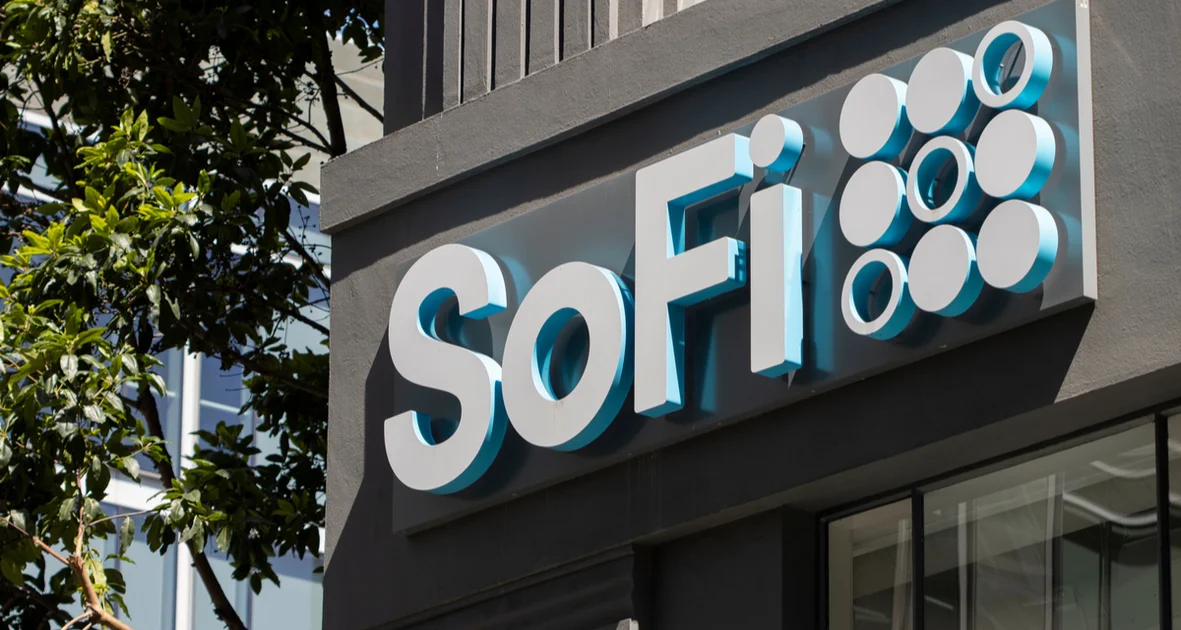
SoFiUSD Launch and Earnings Drive Stock Rebound
SoFi Technologies (NASDAQ: SOFI) surged more than 5% on Thursday, May 28, 2026, as the digital bank unveiled its own stablecoin and reported first-quarter earnings that beat revenue expectations, offering investors a counterpoint to a year marked by sharp declines. The stock traded near $17, recovering from a 38% year-to-date slump that had pushed shares to a 52-week low of $12.86.
The headline catalyst was the launch of SoFiUSD, which the company describes as the first stablecoin issued directly by a U.S. national bank for use within its own retail banking platform. The dollar-backed token, built on Ethereum and Solana, allows SoFi's nearly 15 million members to buy, sell, hold, and convert funds inside the SoFi app, with planned features including tokenized deposits and cross-border transfers.
On the earnings front, SoFi reported Q1 2026 total revenue of $1.10 billion, slightly above the $1.05 billion consensus. Diluted earnings per share came in at $0.12, doubling year over year, reinforcing the narrative that the company is transitioning from a growth story to a profitable enterprise. Adjusted net revenue guidance for the full year stands at $4.655 billion, with adjusted EBITDA of $1.6 billion and a 34% margin.
A Volatile Year for a High-Growth Stock
The stock's 2026 trajectory has been anything but smooth. After tripling over the previous three years, SOFI shares fell sharply, dragged down by broader economic uncertainty, rising inflation, and investor skepticism about high-growth fintech valuations. At its current price, the stock trades at roughly 35 times trailing 12-month earnings—a multiple that bulls consider reasonable for a company growing EPS at triple-digit rates, but that bears see as vulnerable to further compression.
Analyst sentiment has been mixed. Goldman Sachs, Morgan Stanley, Bank of America, and Keefe Bruyette & Woods all trimmed price targets this year, while Muddy Waters published a short report alleging improper financial reporting. Block & Leviton also opened a securities fraud investigation, adding to the overhang. Nonetheless, CEO Anthony Noto bought 116,323 shares since March, signaling insider confidence.
Why the Stablecoin Launch Matters
SoFiUSD represents more than a headline-grabbing crypto experiment. By embedding a stablecoin directly into its regulated bank charter, SoFi is positioning itself to capture fee income from payments, cross-border transactions, and potential institutional activity. The move challenges digital finance peers like PayPal and Block, which have their own stablecoin strategies but operate under different regulatory structures.
Potential Revenue Streams and Competitive Moats
If SoFiUSD gains traction, it could deepen customer stickiness by making the SoFi app a central hub for both traditional banking and on-chain finance. Tokenized deposits, if paired with interest and FDIC insurance, could blur the line between cash and crypto, influencing how members allocate funds across lending, investing, and spending products. For investors, that translates into higher-margin, capital-light revenue over time.
The stablecoin also aligns with SoFi's broader strategy of cross-selling: Q1 product growth accelerated to 39% year over year, up from 34% in the prior-year quarter, suggesting members are adopting multiple services. Customer add-ons reached a record 1.1 million in Q1, marking the sixth consecutive quarter of absolute records.
Regulatory and Operational Risks
However, the stablecoin launch introduces new layers of complexity. Issuing a digital token inside an insured bank invites heightened regulatory scrutiny, particularly as U.S. regulators refine their oversight of stablecoins and crypto-linked products. Compliance costs could rise, and product design may need to adapt to evolving rules.
Operational risks also exist. Moving payments and deposits on-chain increases technology complexity, and SoFi already faces questions about its Technology Platform revenue, which fell 27% year over year in Q1 due to a large client departure. Personal loan charge-offs also rose to 3.03% from 2.80% sequentially, and net interest margin narrowed to 5.94%, signaling pressure in the lending business.
Broader Implications for Fintech and Digital Banking
SoFi's dual narrative—strong member growth and profitability on one hand, volatile stock performance and regulatory uncertainty on the other—reflects a broader tension in the fintech sector. Companies that rode low interest rates and pandemic-era adoption are now being tested by a higher-cost environment and more discerning investors.
The Battle for the All-in-One Banking Model
SoFi's ambition to be a one-stop shop for young, digitally savvy professionals is showing results. Member growth has held steady at 35% year over year for the past six quarters, and product growth is accelerating. Yet the market is punishing the stock for any sign of weakness, including the Technology Platform slowdown and rising credit costs.
This dynamic is not unique to SoFi. The broader payments and fintech space has seen a rotation toward steadier compounders like Visa and Mastercard, which offer high operating margins, strong buybacks, and dividends. For investors seeking less drama, those names provide an alternative to SoFi's headline-driven volatility.
What This Means for SOFI Investors
Looking ahead, SoFi's path to $21—the current analyst mean target—depends on execution. The stablecoin launch could open new fee streams, but it also invites risk. Q2 guidance calls for roughly 30% adjusted net revenue growth, which would need to hold amid macroeconomic headwinds.
For context on how other growth stocks are navigating 2026, see our coverage of Palantir Stock Jumps 8% as Drone News and Bucket Hat Hype Fuel Rebound and CoreWeave Stock Surges as Wall Street Bets Big on AI Cloud Demand in 2026. Both companies face similar questions about valuation and growth durability in a shifting market.
The next few quarters will reveal whether SoFi can sustain its momentum while managing the complexities of stablecoin regulation and a tighter lending environment. For now, the stock is rallying on good news—but the long-term test is whether that news translates into sustained earnings power.
Comments