
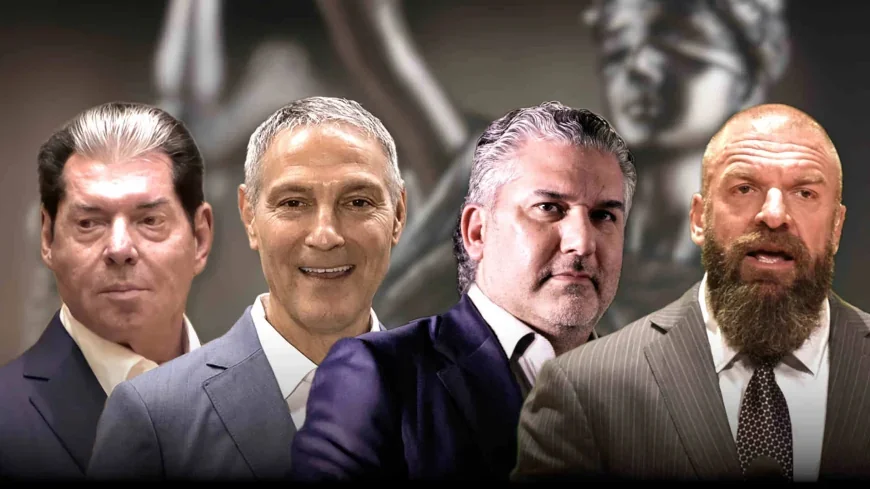
High-Stakes Testimony: McMahon and Emanuel Head Witness List
The shareholder lawsuit challenging the 2023 merger between WWE and UFC to form TKO Group Holdings is set to go to trial on June 8 in the Delaware Court of Chancery, with a star-studded lineup of executives expected to testify. According to a pre-trial order filed publicly on May 26, former TKO chairman Vince McMahon, current TKO CEO and chairman Ari Emanuel, WWE President Nick Khan, TKO President Mark Shapiro, and WWE Chief Content Officer Paul "Triple H" Levesque are all slated to appear as live witnesses.
The trial, which will be decided by Vice Chancellor J. Travis Laster rather than a jury, stems from a lawsuit filed by WWE shareholders who allege that McMahon orchestrated the merger to preserve his own power amid a wave of sexual misconduct allegations that became public in 2022. Both the plaintiffs and the defense plan to call McMahon and Emanuel to the stand, making them central figures in what promises to be a closely watched courtroom drama.
Other notable witnesses include former WWE executive Stephanie McMahon, who resigned in January 2023 after her father's return to the company; she may appear via pre-recorded deposition if not called as a live witness. The witness list also includes former WWE board members George Barrios and Michelle Wilson, banker Jeff Sine of the Raine Group (who advised WWE on the deal), and Liberty Media CEO Greg Maffei—whose company was among the bidders for WWE. Maffei reportedly called the deal "pre-wired" in an internal email, a comment that could become a key piece of evidence.
The Core Allegations: A Rigged Auction
At the heart of the lawsuit is the claim that McMahon manipulated the sale process to ensure that Endeavor—the parent company of UFC—would win the bidding, because he believed Endeavor would allow him to remain involved with the company. The plaintiffs argue that other bidders, including Liberty Media, were not given a fair opportunity to acquire WWE, and that shareholders consequently received less value than they could have.
"McMahon only trusted that Emanuel and Endeavor would let him stay on after a deal," the plaintiffs allege in their amended complaint, which also claims that WWE's internal investigation into McMahon's sexual misconduct was a "sham." The investigation, led by former WWE board member Jeffrey Speed, is expected to be a focal point during testimony. The plaintiffs say the inquiry was effectively closed in the fall of 2022, before McMahon formally re-engaged with the board in December 2022 and returned as executive chairman in January 2023.
The Stakes: Millions—or Hundreds of Millions—in Damages
The financial implications of the trial are enormous. If the judge rules in favor of the shareholders, they could be awarded millions, and potentially hundreds of millions, in damages. WWE and TKO are not named as defendants in the suit, but they could be held responsible for monetary damages through indemnification clauses—meaning the companies could end up footing the bill even if McMahon is found liable.
McMahon is named as a defendant alongside former WWE board members Khan, Levesque, Barrios, and Wilson. The defendants are accused of breaching their fiduciary duties as members of WWE's board of directors; they deny the allegations. Notably, McMahon has separate legal counsel from the other defendants, signaling a potential divergence in legal strategy.
The trial date itself is significant: June 8 falls just days after WWE's flagship event, WrestleMania, and during a period when TKO is actively pursuing growth in media rights and live events. A negative ruling could not only result in financial penalties but also force changes in how the company's leadership is structured.
Key Witnesses and Their Roles
- Vince McMahon: The former CEO and chairman of WWE, who returned as executive chairman in January 2023 after a brief resignation. He is the central figure in the lawsuit and is expected to be grilled about his motivations for the Endeavor deal.
- Ari Emanuel: CEO and chairman of TKO, and co-CEO of Endeavor. Emanuel was McMahon's primary counterpart in the merger negotiations and is likely to be questioned about his communications with McMahon.
- Nick Khan: WWE President and a defendant in the case. Khan played a key role in the sale process and is expected to testify about how potential bidders were evaluated.
- Paul Levesque (Triple H): WWE Chief Content Officer and defendant. Levesque will likely be asked about his involvement in board discussions regarding the merger.
- Stephanie McMahon: Former WWE executive and board member. Her testimony—whether live or via deposition—could shed light on the internal dynamics during the sale process, especially given her resignation.
- Greg Maffei: Liberty Media CEO. His email calling the deal "pre-wired" could be a powerful piece of evidence for the plaintiffs.
- Jeffrey Speed: Former WWE board member who led the internal investigation into McMahon's conduct. The plaintiffs have called that investigation a "sham," and his testimony could be critical.
- Jeff Sine: Banker from the Raine Group who advised WWE. He is listed as a potential witness by the plaintiffs.
Background: The Merger That Changed Wrestling
The merger between WWE and UFC to form TKO Group Holdings was announced in September 2023 and closed later that year, creating a $21 billion sports entertainment behemoth. The deal was championed by McMahon as a way to maximize shareholder value, but it was also seen by many as a personal rescue mission for McMahon, who had been forced to resign from WWE's board in July 2022 after an investigation found he had paid $14.6 million in hush money to silence allegations of sexual misconduct.
McMahon returned to the board in January 2023, just weeks before the merger was announced, and immediately began pushing for the deal with Endeavor. The plaintiffs argue that this sequence of events—the misconduct allegations, McMahon's resignation, his return, and the rushed merger—is no coincidence.
The merger created TKO, which is now one of the most valuable sports entertainment companies in the world, with WWE's weekly television shows, pay-per-view events, and massive fan base combined with UFC's global fight promotion. But the legal battle over its origins is now threatening to overshadow its success.
Broader Implications: Corporate Governance and the Future of TKO
The trial comes at a time when TKO is navigating a complex media landscape, with new deals for WWE's Raw and Smackdown, and UFC's rights negotiations on the horizon. A ruling against McMahon and the other defendants could have ripple effects beyond the immediate financial damages.
Governance Under Scrutiny
The case is likely to become a textbook example of how controlling shareholders can influence corporate transactions. Delaware's Court of Chancery is known for its rigorous review of mergers that involve conflicts of interest, and Vice Chancellor Laster is one of the most experienced judges in this area. The court will examine whether the board of directors fulfilled its fiduciary duties—or simply rubber-stamped McMahon's preferred outcome.
"The plaintiffs have alleged that the board did not conduct a thorough sales process and that McMahon was acting in his own self-interest," said corporate governance expert Mark Lebovitz in a recent interview. "If the judge finds evidence of that, it could set a precedent for how similar transactions are evaluated in the future."
The Impact on Wrestling and Sports Entertainment
For fans, the trial is a drama unfolding outside the ring, but it has real consequences for the performance of both WWE and UFC. If damages are awarded, they could affect TKO's stock price, its ability to invest in talent, and its bargaining power in future media rights deals.
The case also highlights the ongoing tension between the McMahon family's legacy and the modern corporate structure of TKO. Stephanie McMahon's testimony—or lack thereof—will be closely watched, as she has largely stayed out of the public eye since her resignation.
A Precedent for Celebrity Executive Trials
This trial is not happening in a vacuum. The broader entertainment world is watching how the court handles a case involving high-profile executives and allegations of personal misconduct influencing corporate decisions. In a year that has already seen legal battles involving other media figures—such as the ongoing legal disputes between Blake Lively and Ryan Reynolds and the fallout from the Baldoni case—the WWE merger trial could add another layer to the conversation about accountability in the entertainment industry.
What Happens Next: Trial Timeline and Potential Outcomes
Opening arguments in the trial are scheduled for June 8, with testimony expected to last several weeks. Given the complexity of the case and the number of witnesses, Vice Chancellor Laster may not issue a ruling until late summer or fall.
If the judge finds in favor of the shareholders, the next phase would be a damages hearing to determine the exact amount owed. The plaintiffs are seeking rescissory damages—meaning the difference between the value shareholders received and what they would have received had the deal been conducted fairly—which could reach into the hundreds of millions.
If the defendants prevail, the case will be dismissed, and the merger will be fully validated. Either way, the trial is already reshaping public perception of the deal and the people who made it happen.
For now, the wrestling and sports entertainment worlds will be glued to the Delaware courthouse—not for a championship match, but for a battle over the very soul of a multibillion-dollar empire.
Comments