
Mandatory Evacuations and Highway Closure as Woodside Fire Burns Out of Control
A fast-moving wildfire broke out Thursday afternoon along the Sonoma County coastline, forcing the immediate closure of a stretch of Highway 1 and prompting mandatory evacuation orders for several communities. The Woodside Fire, which ignited near the 24000 block of Highway 1 in Timber Cove around 3 p.m. on July 30, 2026, had grown to approximately 100 acres by late afternoon, according to Cal Fire officials.
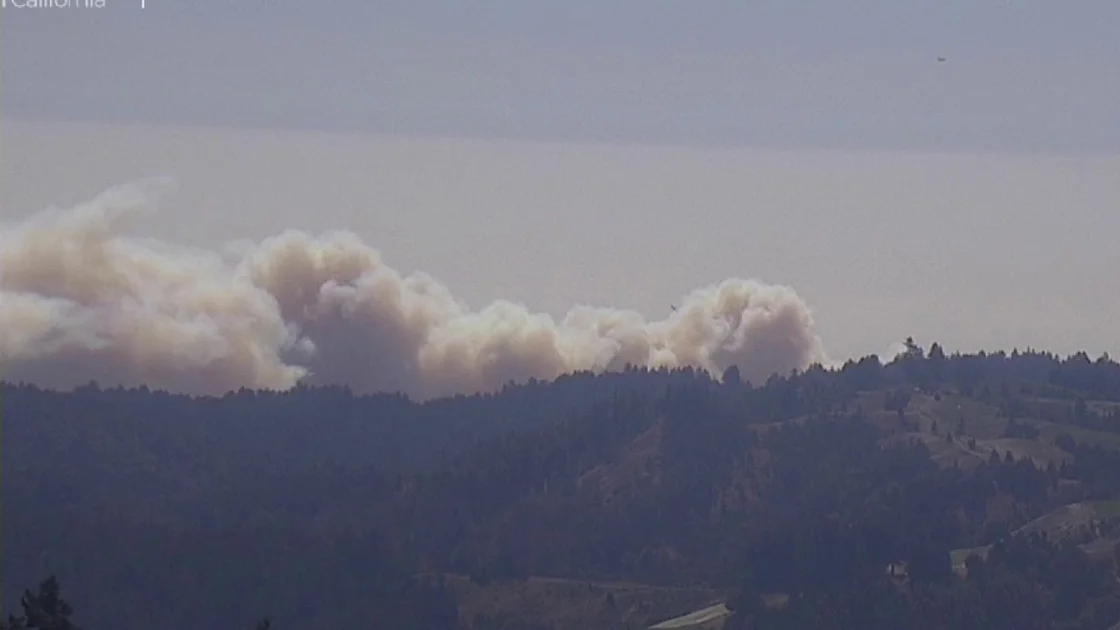
The fire is burning through heavy timber, including ancient redwood trees, in an area near Salt Point State Park and the entrance to Woodside Campground. Driven by strong northerly wind gusts of up to 35 mph, the blaze has created a dark plume of smoke visible for miles along the coast. By 4 p.m., the fire had already consumed an estimated 50 acres before doubling in size within an hour as it moved south through coastal prairie and dense forest.
Evacuation Zones and Road Closures
Cal Fire issued a mandatory evacuation order for zone SON-1D1, which includes the area between the coastline and the South Fork Gualala River, stretching from Kruse Ranch and Hauser Bridge roads south to Fort Ross Road. Specifically affected locations include:
- Salt Point State Park (including Woodside and Gerstle Cove campgrounds)
- Steelwater Cove Regional Park
- Timber Cove subdivision
- Ocean Cove private campground
An evacuation warning has been issued for zone SON-1D2, covering an area east of the South Fork Gualala River south and west of King Ridge Road. Residents in this zone who require additional time to leave, or those with pets and livestock, are urged to depart immediately.
Highway 1 remains closed between Timber Cove and Stewarts Point-Skaggs Springs Road, with the California Highway Patrol directing traffic away from the area. Officials warned that emergency responders may be going door-to-door to assist residents in the mandatory evacuation zone.
The Sonoma County Sheriff's Office has advised residents to avoid calling 911 to report heavy smoke, as it is overloading the emergency dispatch system. For help evacuating pets or small animals, residents can call the Sonoma Community Animal Response Team at 707-861-0699, or NorCal Livestock Evac for livestock and large animals at 707-234-7193.
Context: A Dangerous Fire Season on the California Coast
The Woodside Fire comes amid a particularly volatile period for California wildfires, with dry conditions and seasonal winds creating ideal conditions for rapid fire spread. The Sonoma County coastline, known for its rugged beauty and dense redwood forests, has historically been vulnerable to fast-moving wildfires that threaten both remote communities and critical transportation corridors.
Why This Fire Is Especially Threatening
The fire's location in heavy timber presents unique challenges for firefighting crews. Unlike grassland fires that move quickly but burn less intensely, timber fires generate significant heat and can create their own weather patterns, including fire whirls and spot fires that leap ahead of the main blaze. The presence of redwood trees, which contain flammable oils and can burn for extended periods, adds to the difficulty of containment.
Wind gusts of 35 mph are pushing the fire southward along the coast, directly threatening the communities of Timber Cove and Ocean Cove. The active front of the fire was reported north of Ocean Cove late Thursday afternoon, moving south through heavy timber. Crews are working desperately to prevent the fire from crossing Highway 1 into the heavily forested hills to the east, which would expand the threat zone significantly.
Disruption to Daily Life and Tourism
The closure of Highway 1, the primary artery along the Sonoma County coast, has stranded travelers and isolated communities. The area is lightly populated but heavily visited during the summer months, with tourists flocking to Salt Point State Park for camping, hiking, and coastal views. The evacuation of campgrounds has disrupted hundreds of visitors, many of whom were forced to leave belongings behind as they fled the advancing flames.
Ocean Cove Lodge, a private lodging site just south of Salt Point State Park, reported seeing smoke but had not received official evacuation advisories as of late Thursday afternoon. The situation remains fluid, with emergency dispatch traffic indicating authorities are considering evacuation orders for the Timber Cove area to the south as well.
Firefighting Response: Air and Ground Crews Mobilized
Cal Fire has deployed significant resources to combat the Woodside Fire, including multiple airtankers and helicopters that are making retardant drops and water bucket attacks on the blaze. Ground crews are working to establish containment lines and protect structures in the path of the fire.
Challenges Faced by Firefighters
Firefighting operations are being hampered by several factors:
- Steep terrain: The Sonoma County coastline features rugged cliffs and steep canyons that make access difficult for ground crews.
- Dense vegetation: Heavy timber and coastal brush provide abundant fuel for the fire.
- Wind patterns: Northerly winds are pushing the fire in an unpredictable direction, complicating containment strategies.
- Limited access: With Highway 1 closed, alternative routes for equipment and personnel are limited.
No structures have been reported threatened as of late Thursday, but the situation remains dynamic. Cal Fire has not released any containment figures, indicating that the fire is still burning freely with no significant progress on containment lines.
The Role of Technology in Tracking the Blaze
Fire lookout cameras operated by Alert California and UC San Diego have been instrumental in tracking the fire's growth and movement. The WatchDuty wildfire tracking app has also provided real-time updates to residents and emergency managers, showing the active front moving southward. These technological tools are becoming increasingly vital as wildfires grow more frequent and intense across California.
Perspective: Broader Implications of the Woodside Fire
The Woodside Fire is part of a larger pattern of increasing wildfire risk along the California coast, driven by climate change, prolonged drought, and changing land use patterns. While the fire is relatively small compared to some of the megafires that have devastated the state in recent years, its location near a major transportation corridor and popular recreational area highlights the vulnerability of coastal communities to wildfire.
Climate Change and Wildfire Intensity
Scientists have long warned that rising temperatures and shifting precipitation patterns are creating conditions for more frequent and intense wildfires. The Sonoma County coast, which typically benefits from marine layer moisture, has seen several significant fires in recent years, suggesting that even traditionally wetter areas are not immune to the changing fire regime. The Woodside Fire's rapid growth from 50 to 100 acres in just one hour underscores how quickly conditions can deteriorate.
Lessons from Past Fires
Similar to the devastating fires that have swept through California's coastal regions in previous years, the Woodside Fire demonstrates the importance of early evacuation orders and public awareness campaigns. The decision to issue mandatory evacuations within hours of the fire's ignition reflects lessons learned from tragedies like the 2018 Camp Fire and 2020 Glass Fire, where delayed evacuations resulted in loss of life.
The fire also echoes the challenges seen in other recent wildfire incidents around the world. For instance, the Pyrocumulonimbus Fire Storm: France and Spain Battle Unprecedented Wildfire Crisis showed how extreme fire behavior can overwhelm firefighting resources even in well-prepared regions. While the Woodside Fire has not yet generated pyrocumulonimbus clouds, the conditions are favorable for extreme fire development as long as winds persist.
Economic and Social Impacts
The closure of Highway 1 is expected to have significant economic consequences for local businesses that rely on summer tourism. The road is the only major route through the area, and its closure affects not only tourists but also residents who depend on it for daily commuting, medical access, and supply deliveries.
Local businesses, including the Ocean Cove Lodge and other coastal establishments, face potential revenue losses as visitors cancel trips and evacuations empty the area. The long-term recovery from the Woodside Fire may also involve habitat restoration and infrastructure repairs, especially if the fire damages roads, power lines, or water systems.
What This Changes for California Fire Policy
Each new wildfire season brings renewed calls for improved forest management, better evacuation protocols, and increased funding for fire prevention and response. The Woodside Fire, while still ongoing, may prompt additional scrutiny of fire risk in coastal state parks and campgrounds, which attract millions of visitors annually.
Fire officials are also likely to review the effectiveness of the evacuation warning system, particularly in remote areas where cell service may be unreliable. The decision to ask residents not to call 911 about smoke, due to system overload, highlights the need for alternative communication methods during emergencies.
What Happens Next: A Developing Situation
As of Thursday evening, the Woodside Fire remains uncontained and continues to burn actively. Firefighters will work through the night to establish containment lines and protect threatened structures, while residents in affected zones remain under evacuation orders.
Forecast and Fire Behavior
Weather forecasts for the coming days are critical to the fire's trajectory. If the strong northerly winds persist, the fire could continue to spread southward, potentially threatening additional communities. A shift in wind direction could push the fire back toward areas already burned or toward less populated terrain.
Cal Fire will provide regular updates on containment progress and any expansion of evacuation zones. Residents are advised to monitor official channels, including Cal Fire's website and local news outlets, for the latest information.
Community Response and Mutual Aid
Local fire departments, including the Sonoma County Fire District, have responded alongside Cal Fire units. Mutual aid agreements are expected to bring additional resources from neighboring counties if the fire continues to grow. The state Office of Emergency Services may also become involved if the fire threatens critical infrastructure or requires statewide coordination.
For now, the focus remains on saving lives and property. As Sonoma County residents have learned from past fires, the first hours of a wildfire are often decisive. The rapid response and mandatory evacuations issued for the Woodside Fire represent a proactive approach to protecting communities, even as the fire itself continues to challenge firefighters on the ground and in the air.
This is a developing story. Check back for updates.
Comments