
JPMorgan Sees 40% Surge in Asia-Pacific Alternative Assets
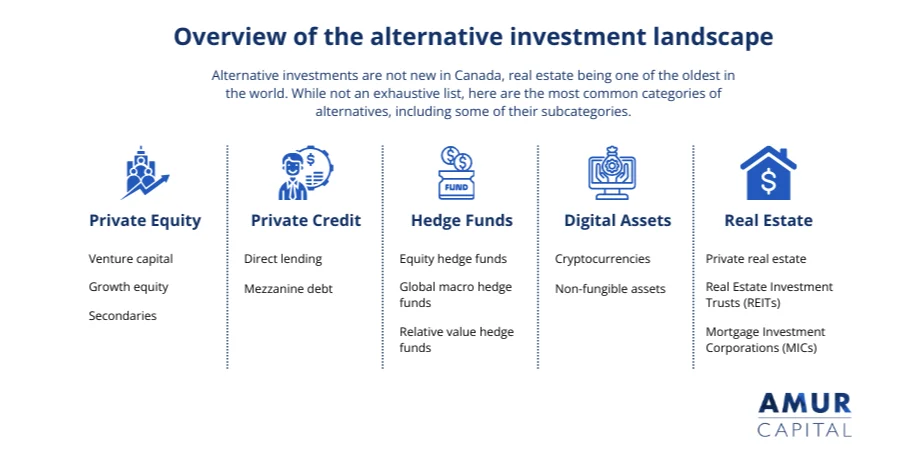
JPMorgan Chase’s private wealth alternative assets business in Asia-Pacific has grown 40% over the past 12 months, the bank said this week, as high-net-worth and ultra-high-net-worth clients deepen allocations to hedge funds, private equity, and infrastructure. The figure, disclosed during a media summit in Singapore, underscores a broader shift by the world’s wealthiest investors away from traditional stocks and bonds.
Dan Watkins, regional CEO of JPMorgan Asset Management, said the growth reflects “huge demand for exposure to alternative assets” among wealthy clients. The asset management arm sources hedge fund, private equity, and infrastructure opportunities for private wealth clients across regions, linking the expansion directly to fee-generating products rather than a one-off market move.
A Global Pattern, Not a Regional Anomaly
The trend extends well beyond Asia. BNY Wealth data now shows that alternative investments account for 60% of single-family office portfolios, surpassing traditional assets for the first time. Traditional holdings make up 41% of allocations, according to the report. John Woods, chief investment officer for Asia at Lombard Odier, said the firm is seeing “a significant increase in the planned allocation to alternative assets” among the family offices it interacts with.
India’s Rich Pivot to Real Assets as Equity Returns Falter
In India, wealthy investors are taking a different route into alternatives, favoring real estate, infrastructure, and private credit over hedge funds. At least six new vehicles launched this year are seeking to raise more than $1.25 billion for real estate and infrastructure assets, according to Bloomberg. The move follows two years of lacklustre stock market returns: the benchmark Nifty 50 index has delivered total returns of just 7% over the past two years, compared with 29% for the S&P 500.
Nuvama Wealth Management, which oversees $39 billion in client assets, raised around $420 million for a commercial real estate fund in partnership with Cushman & Wakefield and plans to launch more funds targeting income-generating properties or infrastructure. “There is a shift toward private credit and cash-flow generating assets,” said CEO Ashish Kehair, adding that real estate investment trusts and logistics and warehousing investments are also drawing interest.
Money raised by Alternative Investment Funds in India from local investors nearly doubled to $64.5 billion from March 2024 to June 2026. While private credit is drawing the most interest, family offices and asset managers are increasingly turning to funds that invest in infrastructure, energy, and property. Local real asset funds may target annual returns of 12% to 15%, compared with yields of under 8% on three- to five-year AAA-rated corporate bonds.
The Search for Steadier Returns
The shift reflects a search for steadier returns after years of equity gains lost momentum. Unlisted funds, which typically invest in completed assets, offer additional upside if the assets are sold or listed in vehicles such as a REIT. “Earlier, there were a limited number of REITs and infrastructure investments available to build a meaningful portfolio,” said Rohit Sarin, co-founder of Gurugram-based Client Associates, which manages over $6 billion in advisory assets.
Why the Move Matters: Inflation, Volatility, and Correlation
The push into alternatives is being driven by a confluence of factors that have undermined the traditional 60/40 portfolio. Citi Wealth’s survey identifies inflation as the top concern among wealthy investors, followed by interest rates and market volatility. Concerns over elevated valuations, narrowing credit spreads, and increasing correlation between stocks and bonds have accelerated the trend, according to Lombard Odier’s Woods.
Investors are grappling with an increasingly concentrated stock market, geopolitical uncertainty, and worries that stocks and bonds may no longer provide the same level of protection during downturns as they once did. Hedge funds, private equity, and infrastructure assets are seen as diversifiers that can generate returns less tied to public market swings.
JPMorgan’s Expense Pressure
The growth in alternatives comes with a cost. JPMorgan Chase’s 2026 expense outlook sits at about $107.5 billion, with higher spending on technology, AI, and new product build-outs. The bank faces pressure to translate asset growth into revenue fast enough to outpace the higher cost base. The 40% rise in Asia-Pacific alternative assets feeds a larger wealth platform that can produce recurring fees when client assets stay invested, but the benefits are only visible if assets under management keep rising.
The Stakes: Fee Pools and Revenue Mix
For JPMorgan and its peers, the expansion of alternatives is about more than asset gathering. It deepens fee pools and reduces reliance on more volatile trading or credit-sensitive revenue. The open question is how much of the 40% rise came from client inflows versus market appreciation, and whether those gains outpace the higher cost base. The clearest read should come from 2027 results, which will show how much alternatives and broader wealth management fee revenue contribute inside Asset & Wealth Management.
In India, the stakes are similarly high. The resurgence of real asset fundraising after a slow start marks a shift in how wealthy investors allocate capital. While global investors have piled into stocks that gain exposure from the AI boom, Indian investors are seeking steadier, cash-flow-generating assets. That divergence could shape portfolio outcomes for years to come.
The Bigger Picture: A Structural Shift in Wealth Management
The move into alternatives is not just a cyclical response to market conditions. It reflects a structural shift in how the world’s wealthiest investors think about diversification and risk. With alternatives now comprising 60% of single-family office portfolios, the traditional dominance of public markets is being challenged.
For wealth managers, the trend presents both opportunity and challenge. The opportunity lies in higher fees and deeper client relationships. The challenge is managing complexity, liquidity, and regulatory scrutiny. As more capital flows into private markets, questions about valuations, transparency, and exit routes will grow louder.
What to Watch
Investors will be watching several indicators in the coming months. In Asia-Pacific, JPMorgan’s 2027 results will reveal whether the 40% growth translates into sustainable fee revenue. In India, the success of new real asset vehicles will test appetite for illiquid investments. Globally, the trajectory of inflation and interest rates will determine whether alternatives remain a preferred hedge or lose their appeal.
For now, the direction is clear: wealthy investors are diversifying away from stocks and bonds at a pace that is reshaping the wealth management industry. The search for steady returns in an uncertain world is driving a fundamental reallocation of capital, and the firms that can source and manage alternative assets are positioned to benefit.
Comments