
Virginia to Use Old Congressional Map for 2026 Midterms Amid Redistricting Battle
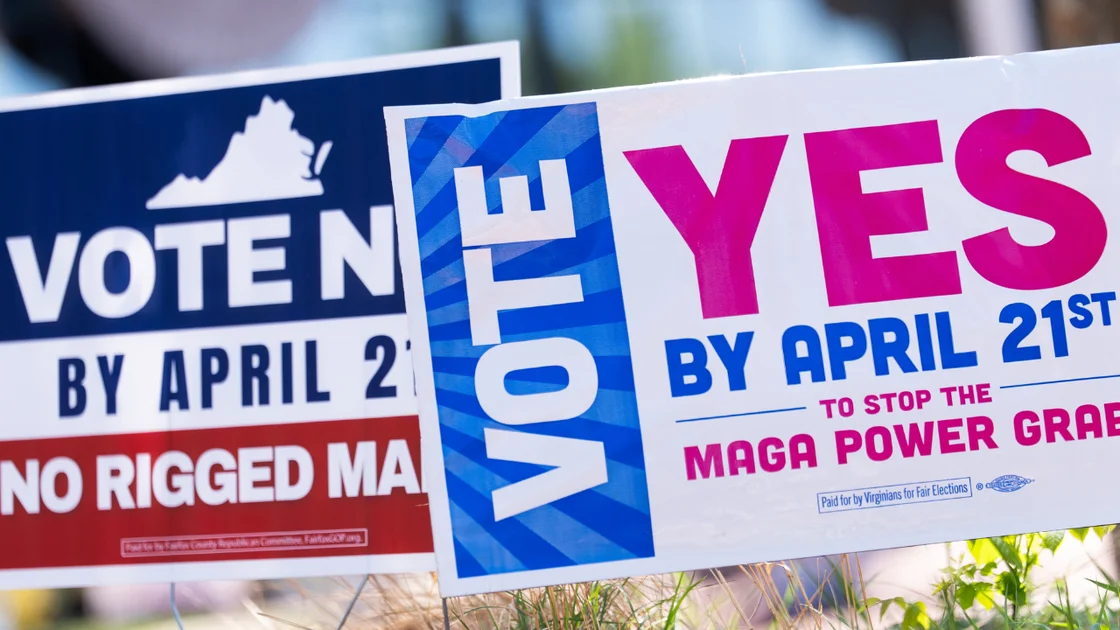
Virginia Governor Abigail Spanberger (D) has confirmed that the state will conduct its 2026 congressional elections using the existing 2021 map, dealing a practical blow to Democrats who had hoped to gain seats through a voter-approved redistricting amendment. The announcement came as election administration deadlines effectively closed the window for adopting a new map, even as the U.S. Supreme Court considers an emergency appeal to overturn a Virginia Supreme Court ruling that nullified the April referendum.
Speaking to reporters, Spanberger cited the state’s May 12 deadline for map changes and said elections will proceed under the current districts. “When it comes to the execution of elections, no matter the outcome in that case, we will be running our elections beginning next month with early voting on the current maps that we have,” she said. The governor expressed disappointment with the state court’s decision but emphasized the need to focus on winning under the existing lines.
The current map gives Democrats six seats and Republicans five in Virginia’s 11-member U.S. House delegation. The proposed Democratic map could have produced a 10-1 Democratic advantage. More than 3 million Virginians voted in the April special election to approve the constitutional amendment, but the Virginia Supreme Court later ruled the process violated state constitutional requirements.
Emergency Appeal and NAACP Intervention
The legal battle continues at the federal level. Chief Justice John Roberts is weighing Virginia Democrats’ emergency request to pause the state Supreme Court’s ruling, with Republican challengers given until Thursday evening to respond. The NAACP and the Advancement Project have filed an amicus brief urging the U.S. Supreme Court to reverse the state high court’s decision, arguing it improperly threw out the votes of millions of Virginians.
“To reach this outcome, the Virginia Supreme Court adopted an anomalous and unprecedented definition of the word ‘election’ that conflicts with both state and federal law,” the groups wrote. NAACP President and CEO Derrick Johnson said the organization will not stand by idly in the face of what he called a “blatant attempt to overrule the will of Virginia voters.”
Why This Matters: Stakes for the 2026 Midterms
The redistricting fight in Virginia is part of a broader national battle over congressional maps ahead of the 2026 midterm elections. With Republicans controlling many state legislatures, Democrats have sought to counteract perceived gerrymandering through referendums and legal challenges. The Virginia case is particularly significant because the state’s current 6-5 split leaves several competitive seats that could determine control of the U.S. House.
Governor Spanberger warned that the court ruling could discourage voters who participated in the referendum. “What needs to happen is we need to focus on the task at hand, which is winning races in November,” she said, adding that elected officials must remind Virginians that their votes still matter.
Background: The Referendum and Its Nullification
The April special election asked voters to approve a constitutional amendment allowing Virginia to redraw its congressional map in response to Republican gerrymanders in other states, a move prompted by President Donald Trump’s request ahead of the midterms. Democrats hoped the new map would give them a 10-1 advantage, but the Virginia Supreme Court ruled 4-3 that the amendment process violated constitutional requirements.
The NAACP’s filing highlighted its voter outreach efforts, contacting more than 150,000 Black voters statewide in support of the amendment. The Rev. Cozy Bailey, president of the NAACP Virginia State Conference, accused opponents of spreading misinformation through “flyers, mailers, and billboards designed to sow doubt and silence” Black voters.
Broader Implications and Trends
The Virginia redistricting standoff illustrates the ongoing tension between voter-initiated reforms and judicial oversight of election processes. The case could set a precedent for how courts handle referendums that attempt to alter congressional maps outside the traditional legislative process. With similar battles playing out in other states, the U.S. Supreme Court’s decision on Virginia’s emergency appeal will be closely watched.
For now, campaigns will focus on the current map, where Democrats hold a slim six-seat majority. The outcome of the legal challenge could reshape the map for future elections, but the 2026 midterms will proceed without the anticipated Democratic advantage. In other news, the 10-Year Treasury Yield Hits 10-Month High as Inflation Data Reshapes Rate Outlook, adding a financial dimension to the political landscape. Voters in Virginia and across the country are also keeping an eye on the White House Marks Peace Officers Memorial Day With Crime Drop Claims.
As the legal process unfolds, Virginians face the reality that their April votes may not change the map for this year. The Supreme Court’s ruling on the emergency appeal could arrive in the coming days, but with early voting set to begin next month, the window for any change is narrow.
Comments